
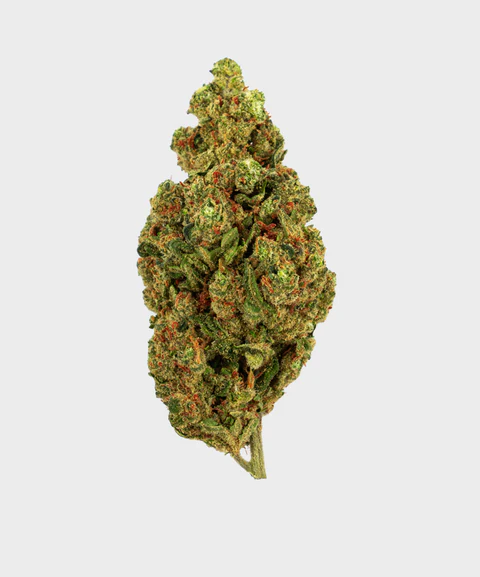
Weed in Songkhla: Culture, Law, and Everyday Reality
Songkhla, a coastal province in southern Thailand, is known for its rich history, multicultural communities, and scenic beaches. In recent years, it has also become part of Thailand’s wider conversation around cannabis—commonly referred to as weed. While Bangkok and Chiang Mai often dominate headlines, Songkhla presents a more grounded, community-focused perspective on how cannabis fits into Thai society.
This article explores weed in Songkhla from a human point of view: its cultural background, legal environment, social attitudes, economic impact, and what residents and visitors should realistically expect.
Cultural Background: Traditional Roots
Cannabis is not new to Thailand, and Songkhla is no exception. For generations, cannabis was used in traditional Thai medicine as an ingredient in herbal remedies for pain relief, appetite stimulation, and relaxation. In southern Thailand, including Songkhla, traditional healers often combined cannabis with other herbs rather than treating it as a standalone substance.
However, these uses were practical and medicinal—not recreational in the modern sense. Public intoxication or casual smoking was never culturally accepted. This historical context still shapes attitudes today: many locals view cannabis as medicine first, not entertainment.
Legal Landscape: A Moving Target
Cannabis laws in Thailand have gone through major changes in recent years, and Songkhla follows national regulations closely.
At present, cannabis exists in a highly regulated space, especially regarding flowers and high-THC products.
Key legal realities to understand in Songkhla:
- Public consumption is generally discouraged and may result in penalties.
- Cannabis extracts, oils, and medical products typically require proper authorization.
- Selling cannabis without correct licensing can bring serious legal consequences.
- Local authorities in southern provinces tend to be more conservative than tourist-heavy regions.
Social Attitudes in Songkhla
Songkhla has a diverse population, including Buddhist Thai communities, Thai-Chinese families, and a significant Muslim population—especially near the Malaysian border. This diversity strongly influences social views on cannabis.
In general:
- Older generations tend to view weed with skepticism.
- Muslim communities often reject cannabis use altogether due to religious beliefs.
- Younger adults may be more open, but discretion remains important.
- Public use is widely frowned upon.
People who use cannabis typically do so quietly, often for medical or wellness purposes rather than recreation.
Cannabis Access and Local Economy
Where legal, cannabis access in Songkhla is far less commercialized than in major tourist cities. You will not see cannabis dominating storefronts or street markets. Instead, regulated dispensaries or medical clinics (where permitted) operate under a low-profile approach.
For the local economy:
- Cannabis farming, when licensed, offers alternative income for small-scale farmers.
- Medical cannabis supports clinics and traditional medicine practitioners.
- Over-commercialization is actively avoided by local authorities.
Songkhla’s economy depends more on fishing, rubber plantations, education, and cross-border trade than cannabis tourism.
Weed and Wellness
In Songkhla, cannabis discussions often center on health, not recreation. Many patients explore cannabis for:
- Chronic pain management
- Insomnia
- Stress and anxiety relief
- Appetite stimulation during illness
Thai traditional medicine emphasizes balance, moderation, and supervision. Cannabis is often discussed alongside massage therapy, herbal compresses, and mindfulness practices.
People seeking wellness-based cannabis experiences usually do so through clinics or herbal professionals rather than informal sources.
Risks and Realities
Despite curiosity and changing laws, cannabis use in Songkhla comes with real risks:
- Legal misunderstandings can lead to fines or arrest.
- Social backlash is possible if use is seen as disrespectful.
- Workplace drug testing remains common.
- Border proximity increases enforcement sensitivity.
Songkhla is not a “party destination” for cannabis users. Those treating it as such often misunderstand local culture and law.
Respecting Local Norms
Respect is essential in Songkhla. Even if cannabis is legally obtained, using it discreetly and responsibly matters more than asserting personal freedom.
Basic etiquette includes:
- Never using cannabis in public spaces
- Avoiding use near schools, mosques, and temples
- Not assuming legality equals social acceptance
- Listening to local advice rather than online rumors
Understanding these norms helps maintain harmony and avoids unnecessary trouble.
The Future of Weed in Songkhla
The future of cannabis in Songkhla will likely remain conservative and regulated. Unlike tourist hubs pushing cannabis branding, Songkhla is expected to focus on:
- Medical use
- Traditional medicine integration
- Controlled agricultural production
- Minimal public visibility
This approach reflects the province’s broader values: stability, health, and respect for social balance.
FAQs About Weed in Songkhla
Is weed legal in Songkhla?
Cannabis legality in Songkhla depends on current national regulations. Medical use is generally permitted under regulation, while recreational use is restricted or unclear. Always verify current rules.
Can tourists use cannabis in Songkhla?
Tourists are subject to the same laws as locals. Public use is strongly discouraged, and misunderstandings can lead to legal trouble.
Are there dispensaries in Songkhla?
Where permitted, dispensaries or medical providers operate discreetly and under regulation. They are not widespread or tourist-focused.
Is smoking weed in public allowed?
No. Public consumption can result in fines or other penalties and is socially unacceptable.
Do locals use cannabis recreationally?
Some do, but discreetly. Most local attitudes favor medical or traditional use over recreation.
Is cannabis culturally accepted in Songkhla?
Acceptance varies by community. Overall, it is approached cautiously and respectfully, not openly celebrated.
Can cannabis be taken across borders from Songkhla?
Absolutely not. Crossing borders with cannabis can result in severe legal consequences.
Will cannabis tourism grow in Songkhla?
Unlikely. Songkhla prioritizes cultural integrity, health, and local values over cannabis tourism.
Final Thoughts
Weed in Songkhla exists at the intersection of tradition, health, law, and community values. It is neither taboo nor trendy—it is cautious, controlled, and context-driven. Anyone interested in cannabis in Songkhla should approach it with humility, responsibility, and respect for local culture. Understanding the human side of the issue matters far more than chasing headlines or assumptions.

Leave a Reply