
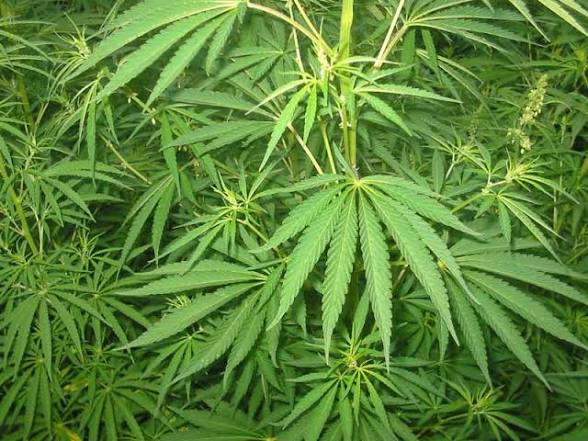
Weed in Porto Velho: Culture, Law, and Everyday Reality
Porto Velho, the capital of Rondônia, sits at the edge of the Amazon and carries a unique mix of frontier history, river culture, and modern Brazilian life. Like many cities across Brazil, conversations around weed (marijuana) in Porto Velho exist quietly but persistently. While cannabis remains illegal for recreational use nationwide, its presence, social perception, and legal treatment shape daily realities for locals and visitors alike.
Understanding weed in Porto Velho requires looking beyond stereotypes. It involves law enforcement practices, cultural attitudes, public health discussions, and how people navigate the gray areas of Brazilian drug policy.
Legal Status of Weed in Porto Velho
Cannabis is illegal throughout Brazil, including Porto Velho. The country does not allow recreational marijuana use, cultivation, or sale.
Instead, individuals may face warnings, community service, or educational measures. That said, the law does not specify an exact quantity that defines “personal use.” This leaves room for interpretation by police and judges, which can result in inconsistent enforcement.
In Porto Velho, as in many northern cities, law enforcement tends to be strict, especially in public spaces.
Weed Culture in Porto Velho
Weed culture in Porto Velho is relatively discreet. Unlike larger cities such as São Paulo or Rio de Janeiro, where cannabis discussions are more open, Porto Velho maintains a more conservative public atmosphere.
Most cannabis use happens in private settings among trusted friends. Public consumption is rare and generally avoided due to social judgment and police presence. Weed does not have a visible café culture or public advocacy scene in the city.
That said, younger generations, particularly university students and creative communities, are more open to discussing cannabis. Conversations often center around relaxation, music, and personal well-being rather than activism or legalization movements.
Social Perception and Stigma
Social attitudes toward weed in Porto Velho reflect broader regional values. Many residents associate marijuana with crime or moral decline, views influenced by decades of prohibition messaging. This stigma is stronger among older generations and religious communities.
At the same time, there is a growing awareness that cannabis use does not automatically define someone’s character.
Because of this stigma, discretion is key. People who use weed tend to keep it separate from work, family life, and public identity.
Availability and Risks
Despite being illegal, weed is present in Porto Velho, as it is in most Brazilian cities. Availability exists through informal networks rather than open markets. This carries risks.
Quality and safety are unpredictable. There is no regulation, testing, or consumer protection.
Additionally, involvement in illegal markets exposes users to potential legal trouble or unsafe situations. Many residents are aware of these risks and choose to avoid regular use because of them.
Medical Cannabis in Brazil
Medical cannabis is legal in Brazil under strict regulations. Patients can access cannabis-based products with a medical prescription and authorization. These products are typically oils or extracts rather than raw flower.
In Porto Velho, access to medical cannabis exists but is limited by cost, bureaucracy, and lack of specialized doctors. Those who rely on it often do so for conditions such as chronic pain, epilepsy, or anxiety disorders.
Medical cannabis has helped reduce stigma slightly, as it reframes cannabis as a health tool rather than a recreational drug. Still, misunderstandings remain common.
Law Enforcement and Public Safety
Public areas, nightlife zones, and transportation hubs tend to receive more attention.
Interactions with police can vary widely depending on circumstances.
Tourists and newcomers should be especially cautious, as unfamiliarity with local norms can lead to unintended problems.
Weed and the Amazon Context
Porto Velho’s location in the Amazon region adds another layer to the discussion. Environmental concerns, land protection, and public health dominate regional policy debates, leaving little political space for cannabis reform.
While some people speculate about hemp or cannabis as potential economic alternatives, these discussions remain theoretical. The focus in Rondônia remains on agriculture, infrastructure, and conservation challenges.
Future Outlook
Brazil’s national conversation around cannabis is slowly evolving. Court cases, medical research, and public debate continue to shape future possibilities. However, major legal changes are likely to be gradual rather than sudden.
For Porto Velho, this means the current situation is unlikely to change soon. Weed will probably remain illegal, discreetly used, and socially sensitive for the foreseeable future.
FAQs About Weed in Porto Velho
Is weed legal in Porto Velho?
No. Weed is illegal in Porto Velho and throughout Brazil. Recreational use, sale, and cultivation are prohibited.
Can you go to jail for having weed in Porto Velho?
Possession for personal use typically does not result in jail time, but penalties such as warnings or community service may apply. Trafficking charges can lead to serious prison sentences.
Is there a legal amount considered personal use?
No. Brazilian law does not define a specific quantity, leaving decisions to police and judges.
Is medical cannabis allowed in Porto Velho?
Yes, medical cannabis is legal with a prescription and authorization, but access can be limited and expensive.
Is weed culture visible in Porto Velho?
Not publicly. Most use happens privately, and public consumption is rare due to legal and social risks.
Is weed easy to find in Porto Velho?
While it exists, access is informal and risky. Quality and safety are unpredictable.
Are tourists treated differently?
Tourists are subject to the same laws and may face additional complications due to language barriers or unfamiliarity with local practices.
Is legalization expected soon?
There is no clear timeline. Any changes are likely to happen at the national level and gradually.
11 thoughts on “weed in Porto Velho”