
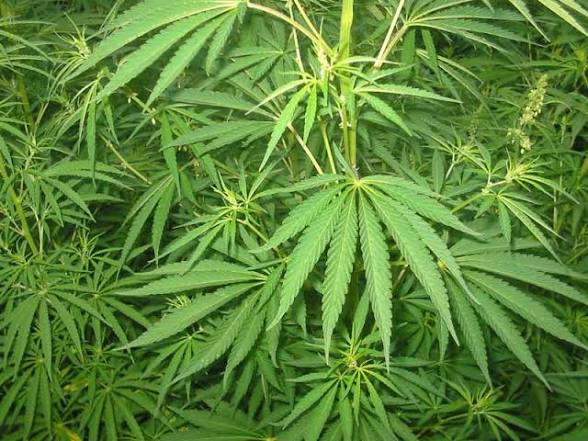
Weed in Montes Claros: Culture, Law, and Local Perspectives
Montes Claros, a major city in northern Minas Gerais, is known for its vibrant culture, university presence, and role as a regional economic hub. Like many Brazilian cities, it also reflects the national conversation around cannabis—often called “weed” or “maconha”—which sits at the intersection of law, public health, culture, and social debate. Understanding how weed is perceived and regulated in Montes Claros requires looking at Brazil’s legal framework, local attitudes, and broader trends shaping the discussion today.
The Legal Landscape in Brazil
Brazil does not legalize recreational cannabis use. National law treats possession of small amounts for personal use as a non-criminal offense, but it remains illegal. This means individuals caught with weed may face administrative consequences such as warnings, community service, or mandatory educational programs rather than jail time. However, possession is still subject to police interpretation, and the lack of a clear legal quantity can lead to inconsistent outcomes.
In Montes Claros, as in other cities, enforcement depends on circumstances, location, and the discretion of authorities. Trafficking, cultivation, and sale of cannabis are criminal offenses and can result in severe penalties. This legal ambiguity shapes how people talk about weed—often cautiously—and influences public behavior in social spaces.
Medical Cannabis and Emerging Awareness
Medical cannabis has become a growing topic across Brazil. Court decisions and regulatory pathways have allowed patients with specific conditions to access cannabis-based products under medical supervision. While these products are not widely available in local pharmacies, awareness has increased through patient advocacy, healthcare discussions, and media coverage.
In Montes Claros, home to universities and healthcare facilities, conversations about medical cannabis tend to be more informed. Students, professionals, and families increasingly distinguish between recreational use and therapeutic applications, recognizing the potential benefits for conditions like chronic pain, epilepsy, and certain neurological disorders—when prescribed and monitored by qualified professionals.
Social Attitudes in Montes Claros
Montes Claros blends traditional values with youthful energy. This mix creates a diverse range of opinions about weed. Older generations often associate cannabis with illegality and social harm, reflecting decades of strict drug policies and public messaging. Younger residents, particularly students and creatives, may view weed through a more global lens, influenced by international debates on legalization, harm reduction, and personal freedom.
Public acceptance remains limited, however. Open consumption in public spaces is generally frowned upon and can attract legal trouble. Most discussions about weed happen privately, in academic settings, or in online communities where people exchange ideas rather than actions.
Public Health and Harm Reduction
Public health officials in Brazil increasingly emphasize education and harm reduction over punishment. This approach recognizes that drug use is a complex social issue rather than solely a criminal one. In Montes Claros, community programs and educational institutions often focus on prevention, mental health support, and substance abuse treatment.
Weed is commonly perceived as less harmful than some other substances, but health professionals still caution against misuse. Risks include impaired concentration, dependency, and potential mental health effects, especially among adolescents. These concerns are part of local campaigns encouraging informed choices and responsible behavior.
Weed and Youth Culture
University life plays a significant role in shaping perceptions of weed in Montes Claros. With a steady influx of students from across Minas Gerais and beyond, the city hosts a dynamic youth culture that engages with global trends in music, art, and social movements. Weed often appears in conversations about creativity, relaxation, and stress relief, though not without debate.
Educational institutions generally maintain strict policies against drug use on campus, aligning with national law. At the same time, student-led discussions about drug policy reform, decriminalization, and public health approaches contribute to a more nuanced local dialogue.
Media and Public Discourse
Local media in Montes Claros typically reports on cannabis in the context of law enforcement actions, public safety, or national policy changes. Stories about seizures or arrests reinforce the idea of illegality, while broader features may explore medical cannabis or legal debates happening elsewhere.
Social media has expanded the conversation, allowing residents to engage with perspectives from other countries and regions. This exposure influences how people think about weed, even if local laws remain unchanged.
The Future of Cannabis Debate in Montes Claros
As Brazil continues to debate drug policy reform, cities like Montes Claros will likely see ongoing discussions rather than sudden changes. Legal reforms at the national level would shape local realities, but until then, the city operates within existing frameworks.
What is clear is that the conversation has evolved. Weed is no longer discussed solely in terms of crime; it is increasingly part of broader conversations about health, rights, and evidence-based policy. Montes Claros reflects this shift, balancing tradition with emerging perspectives.
Frequently Asked Questions (FAQs)
Is weed legal in Montes Claros?
No. Weed is illegal throughout Brazil. Possession for personal use is not treated as a criminal offense, but it can still lead to administrative penalties.
Can people be arrested for having weed?
While small amounts typically do not lead to jail time, individuals may still be detained, questioned, and face consequences depending on the situation and police assessment.
Is medical cannabis allowed in Brazil?
Yes, under specific regulations. Patients can access cannabis-based products with medical authorization, though availability is limited and regulated.
Is public use common in Montes Claros?
Public use is uncommon and generally discouraged due to legal risks and social norms.
How do locals generally view weed?
Opinions vary. Some see it as a public health issue, others as a personal choice, while many remain cautious due to legal and cultural factors.
Are there educational programs about drug use?
Yes. Schools, universities, and community organizations often focus on prevention, awareness, and mental health support.
Is the debate about legalization active in the city?
The debate exists mostly through national discussions, academic circles, and online platforms rather than formal local policy initiatives.
What should visitors know about weed in Montes Claros?
Visitors should understand that cannabis is illegal and that local laws are enforced. Respecting local regulations and cultural norms is essential.
Conclusion
Weed in Montes Claros exists within a complex landscape shaped by national law, local culture, and evolving public discourse. While illegal, cannabis remains a topic of discussion that reflects broader changes in how society approaches drugs, health, and personal responsibility. As conversations continue, Montes Claros stands as a microcosm of Brazil’s ongoing effort to balance enforcement, education, and compassion in drug policy.

Leave a Reply