
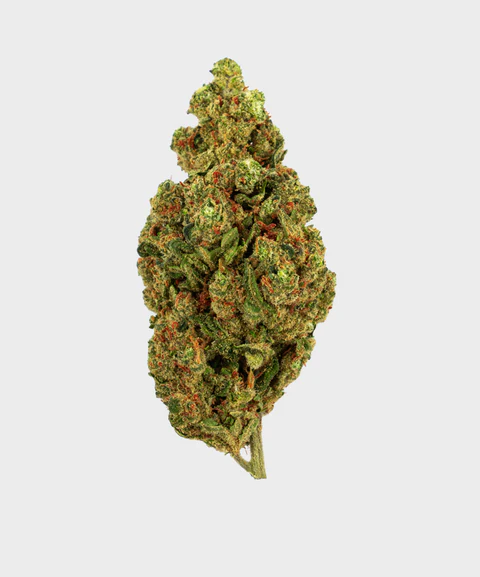
Weed in Khabarovsk: Laws, Culture, and Realities on Russia’s Far Eastern Frontier
Khabarovsk, a major city in Russia’s Far East near the Chinese border, has a unique identity shaped by geography, military history, and cross-border influences. When it comes to weed (cannabis), however, Khabarovsk follows the same strict national framework as the rest of Russia. Understanding the local realities means separating myths from facts, knowing the law, and recognizing the cultural context in which cannabis exists—often quietly and with significant legal risk.
This article provides a clear, human-readable overview of weed in Khabarovsk, focusing on legality, enforcement, social attitudes, and common misconceptions. It is informational only and does not promote or encourage illegal activity.
Legal Status of Weed in Khabarovsk
Cannabis is illegal in Khabarovsk, just as it is throughout the Russian Federation. There is no distinction between recreational and medical marijuana under Russian law. Possession, cultivation, distribution, and sale are all prohibited.
Russian legislation draws a line between administrative offenses and criminal offenses based primarily on quantity and intent. Small amounts intended for personal use may result in administrative penalties, while larger amounts or any indication of distribution can trigger criminal charges. These penalties can include heavy fines, compulsory labor, or imprisonment.
Importantly, enforcement does not vary much by region. Khabarovsk authorities apply federal law, and courts tend to interpret cannabis offenses strictly. Even foreign nationals are fully subject to these laws, often with additional consequences such as deportation or entry bans.
Law Enforcement and Practical Reality
Khabarovsk is a strategic city with a strong security presence due to its proximity to international borders and its military importance.
Random checks, document inspections, and searches are not uncommon, especially in nightlife areas or during public events. While cannabis use is not openly visible, arrests related to drugs do occur regularly. The idea that enforcement is “relaxed” in remote or eastern regions of Russia is largely a myth.
Cultural Attitudes Toward Cannabis
Social attitudes toward weed in Khabarovsk reflect broader Russian views. Cannabis is generally stigmatized and often associated with serious drug abuse rather than casual or recreational use. Older generations, in particular, tend to see all illegal drugs as dangerous and socially destructive.
Younger people may hold more nuanced or globalized views, influenced by international media and online culture, but this does not translate into public acceptance. Cannabis use remains private and rarely discussed openly outside close social circles.
Unlike in some Western countries, there is no mainstream public debate about legalization or decriminalization. Media coverage typically frames cannabis within crime reporting or public health warnings.
Medical Cannabis: Not an Option
Travelers should be especially cautious: bringing cannabis, CBD products, or cannabis-based medications into Russia can result in severe penalties, regardless of legality in the country of origin.
Weed and Geography: Myths vs Reality
Khabarovsk’s proximity to China and vast rural surroundings sometimes lead to assumptions about cross-border trafficking or widespread cultivation. While the Far East has historically been a transit region for various goods, modern border controls are strict, and drug trafficking is heavily prosecuted.
Wild hemp does grow in some parts of Russia, including eastern regions, but this does not make possession legal. Law enforcement does not distinguish between cultivated cannabis and wild varieties when it comes to use or possession.
Risks and Consequences
The most important reality about weed in Khabarovsk is risk. Even small mistakes can have long-lasting consequences:
- A minor possession charge can affect employment opportunities.
- Criminal records can restrict travel and professional licensing.
- Foreigners may face detention, deportation, or blacklisting.
- Legal processes can be lengthy and stressful, with limited leniency.
There are no safe legal gray areas. What may be treated lightly in other parts of the world is taken seriously here.
Harm Reduction Through Awareness
While cannabis remains illegal, accurate information is essential.
Understanding local law, respecting it, and avoiding risky situations are the most effective forms of harm reduction in Khabarovsk.
FAQs: Weed in Khabarovsk
Is weed legal in Khabarovsk?
No. Cannabis is illegal in Khabarovsk and across all of Russia, with no legal recreational or medical use.
Can you possess a small amount without going to jail?
Even small amounts are illegal. While very small quantities may lead to administrative penalties rather than prison, fines and other consequences still apply.
Is medical marijuana allowed with a prescription?
No. Medical cannabis is not recognized in Russia, even with a foreign prescription.
Are CBD products legal in Khabarovsk?
CBD exists in a legal gray area globally, but in Russia it is risky. Products derived from cannabis can be treated as illegal substances.
Do tourists face the same penalties as locals?
Yes. Foreign nationals are subject to the same laws and may face additional penalties such as deportation.
Is weed commonly used in Khabarovsk?
Use exists, as it does in many cities, but it is discreet and not socially accepted in public spaces.
Is enforcement strict?
Yes. Drug laws are actively enforced, and cannabis offenses are taken seriously.
Are there any signs legalization might happen soon?
Currently, there is no strong political or social movement toward cannabis legalization in Russia.
Final Thoughts
Weed in Khabarovsk exists within a strict legal and cultural framework that leaves little room for misunderstanding. While global attitudes toward cannabis continue to evolve, Russia remains firmly opposed to legalization, and Khabarovsk is no exception. Anyone living in or visiting the city should prioritize awareness and caution, recognizing that local realities differ sharply from those in more cannabis-tolerant regions of the world.
Staying informed is not about endorsement—it’s about understanding the environment you are in and making responsible choices within it.

Leave a Reply