
Weed in Arequipa: Laws, Culture, and What to Know
Arequipa, often called La Ciudad Blanca (The White City), is one of Peru’s most beautiful and culturally rich destinations. Known for its volcanic landscapes, colonial architecture, and strong local identity, the city attracts travelers, students, and professionals from across the country and abroad. Along with tourism and tradition, curiosity about cannabis—commonly referred to as weed—has grown in Arequipa, just as it has in many parts of the world.
Understanding how weed fits into life in Arequipa requires a look at Peruvian law, local attitudes, and the realities on the ground.
Legal Status of Weed in Arequipa
Cannabis laws in Arequipa are governed by national Peruvian legislation. Recreational marijuana remains illegal throughout Peru, including Arequipa. However, Peru has taken limited steps toward reform in recent years.
Personal Possession
Peruvian law decriminalizes possession of small amounts of cannabis for personal use. Individuals are allowed to carry up to a legally defined quantity without facing criminal charges. That said, decriminalization does not mean legalization. Police may still confiscate cannabis, question individuals, or cause legal complications, especially if circumstances are unclear.
Medical Cannabis
Medical cannabis is legal in Peru under a regulated system. Patients with qualifying medical conditions may access cannabis-based products through authorized pharmacies and medical prescriptions. These products are typically oils, tinctures, or capsules rather than raw flower.
Patients often need to navigate bureaucracy, medical approval, and supply challenges.
Sale and Cultivation
Selling, trafficking, or growing cannabis without authorization is illegal and carries serious penalties.
Cannabis Culture in Arequipa
Arequipa is known for its conservative and traditional mindset, especially compared to coastal cities like Lima. While younger generations are more open to global trends, cannabis use remains discreet.
Social Attitudes
Many locals still associate weed with criminal behavior or social problems. As a result, users tend to keep their consumption private. Open discussion about cannabis is uncommon outside close social circles.
That said, attitudes are slowly shifting, particularly among university students, artists, and people influenced by international culture. Conversations around medical cannabis and legalization are becoming more common, though still cautious.
Weed and Tourism
Tourists sometimes assume that cannabis use is more relaxed in Peru due to its reputation for natural remedies and plant-based traditions. In reality, Arequipa is not cannabis-friendly in public spaces. Visitors who choose to use cannabis often do so discreetly and at their own risk.
Tourism authorities and local police take public order seriously, especially in historic areas like the Plaza de Armas.
Availability and Quality
Weed is present in Arequipa, but availability is inconsistent and largely informal. There are no legal recreational dispensaries, and access usually occurs through personal connections.
Common Forms
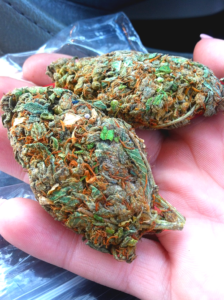
- Flower: The most common form, usually imported from other regions or neighboring countries
- Low to mid quality: Due to illegal status and transport issues, quality varies widely
- Limited concentrates: Hash or oils may exist but are less common
Because the market is unregulated, users face risks related to contamination, poor quality, or incorrect strains.
Risks and Safety Considerations
Using weed in Arequipa carries legal and personal risks that should not be ignored.
Legal Risk
Even though small possession is decriminalized, law enforcement has discretion. Language barriers, misunderstandings, or lack of documentation can complicate encounters with police.
Health and Quality Risks
Without regulation, cannabis may contain pesticides, mold, or other harmful substances. Users have no guarantee of potency or safety.
Social Consequences
In workplaces, schools, or family settings, cannabis use may lead to social judgment or professional consequences if discovered.
Medical Cannabis in Arequipa
Medical cannabis represents the most legally accepted form of marijuana use in Arequipa.
Conditions Commonly Treated
- Chronic pain
- Epilepsy
- Anxiety and sleep disorders
- Side effects of cancer treatment
Patients must receive a prescription from a licensed doctor and obtain products from authorized sources. While access exists, many residents still face limited availability and higher costs compared to illegal alternatives.
The Future of Cannabis in Arequipa
Cannabis reform in Peru is evolving slowly. National debates around expanding medical access and potentially revising possession laws continue. Arequipa, due to its conservative nature, is likely to follow national trends rather than lead them.
Younger generations, global influence, and medical research may gradually soften public opinion. However, full legalization for recreational use remains unlikely in the near future.
FAQs About Weed in Arequipa
Is weed legal in Arequipa?
Recreational weed is illegal.
Can tourists use cannabis in Arequipa?
Tourists are subject to the same laws as locals. Using cannabis publicly or carrying more than the allowed amount can lead to legal trouble.
Is medical marijuana available in Arequipa?
Yes, but only with a prescription and through authorized providers. Access may be limited compared to larger cities.
Can I grow my own weed in Arequipa?
No. Cultivation without government authorization is illegal and can result in serious penalties.
Are there dispensaries in Arequipa?
There are no legal recreational dispensaries. Medical cannabis is available only through approved pharmacies.
Is public consumption allowed?
No. Smoking or consuming cannabis in public places is prohibited and can lead to fines or detention.
How do locals feel about weed?
Opinions vary. Many residents are conservative, while younger people tend to be more open-minded. Overall, cannabis use is still socially sensitive.
Final Thoughts
Weed in Arequipa exists quietly, shaped by strict laws, conservative traditions, and slow reform. While medical cannabis has gained legal recognition, recreational use remains illegal and socially cautious. Anyone living in or visiting Arequipa should prioritize understanding the law, respecting local culture, and making informed decisions.
As conversations around cannabis continue worldwide, Arequipa will likely evolve—but for now, discretion and awareness remain essential.

Leave a Reply