
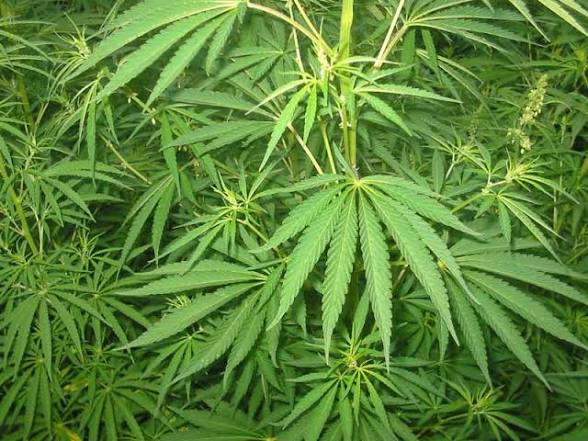
Weed in Huaraz: Culture, Law, and Local Realities
Huaraz, the capital of Peru’s Ancash region, sits high in the Andes and is best known for its dramatic mountain scenery, trekking routes, and laid-back alpine atmosphere. As tourism has grown and global conversations around cannabis have evolved, curiosity about weed in Huaraz has followed. Understanding how cannabis fits into this mountain city requires a look at Peru’s laws, local attitudes, and the social realities that shape everyday life in Huaraz.
A Brief Look at Huaraz
Huaraz is a small but vibrant city surrounded by the Cordillera Blanca, attracting climbers, hikers, and backpackers from around the world. Its population blends local Andean culture with an international traveler presence, especially during trekking seasons. This mix influences attitudes toward many topics, including cannabis, though traditional values still hold strong sway in daily life.
Cannabis Laws in Peru
Peru’s cannabis laws are often misunderstood. Recreational cannabis remains illegal nationwide, including in Huaraz. However, Peruvian law does allow for limited personal possession.
Medical cannabis is legal in Peru under a regulated framework. Patients with valid prescriptions can access cannabis-based medicines through authorized channels. This legal distinction has helped normalize discussions around cannabis in some circles, but it has not legalized recreational use.
In Huaraz, as in other smaller Peruvian cities, enforcement tends to be conservative. Police may be less tolerant than in larger urban centers, and misunderstandings can escalate quickly, especially for visitors unfamiliar with local norms.
Local Attitudes Toward Weed
Attitudes toward cannabis in Huaraz are shaped by tradition, religion, and rural values. Many locals view weed skeptically, associating it with delinquency or foreign influence. Older generations, in particular, tend to disapprove strongly.
Younger residents and students may hold more relaxed views, influenced by social media and broader global trends.
Tourists sometimes assume that a backpacker-friendly town like Huaraz is tolerant of weed, but this assumption can be misleading. The community places a high value on respect and modest behavior, and anything perceived as disruptive or disrespectful can draw criticism.
Weed and Tourism in Huaraz
Tourism is central to Huaraz’s economy, especially adventure tourism. Visitors come for multi-day treks, mountain climbs, and outdoor experiences that require physical stamina and mental focus.
Unlike some global backpacker hubs, Huaraz does not have an open or visible cannabis scene. There are no public spaces where weed use is normalized, and tourists asking openly about it may be seen as careless or disrespectful. Those who choose to use cannabis typically do so privately and quietly, aware of the potential risks.
Risks and Realities
Using cannabis in Huaraz comes with specific considerations:
- Legal risk: While small personal possession may not lead to jail, encounters with law enforcement can still be stressful and unpredictable.
- Social consequences: Public use can damage relationships with locals, hosts, or tour operators.
- Health factors: Huaraz sits at over 3,000 meters above sea level. Altitude sickness is common, and cannabis can exacerbate dizziness, anxiety, or dehydration for some people.
- Quality uncertainty: Because recreational cannabis is illegal, quality control is nonexistent, increasing the risk of contaminated or low-quality products.
These factors mean that even people accustomed to cannabis elsewhere often choose to abstain while in Huaraz.
Cultural Context and Traditional Plants
It’s important to distinguish cannabis from other traditional plants in the Andes. Coca leaves, for example, have been used for centuries by Andean communities to combat altitude sickness and fatigue. Coca is legal and culturally accepted in Peru when used in traditional forms like tea or chewing.
Cannabis does not share this cultural heritage in the region. As a result, it lacks the social acceptance that coca enjoys, reinforcing its marginal status in places like Huaraz.
Changing Conversations
Peru’s gradual acceptance of medical cannabis has opened space for more nuanced discussions. Some residents recognize potential medical benefits and are curious about regulated frameworks seen in other countries. However, broad legalization remains controversial, especially outside major cities.
In Huaraz, any shift in attitudes is likely to be slow and cautious. The city’s identity is closely tied to nature, health, and outdoor adventure, and many locals prefer to keep the community focused on those values rather than on substances seen as unnecessary or disruptive.
Being a Responsible Visitor
For visitors to Huaraz, respect is key. Understanding local laws, observing social norms, and prioritizing safety can help ensure a positive experience. Many travelers find that the natural beauty, physical challenge, and cultural richness of the region provide more than enough stimulation without the need for cannabis.
FAQs About Weed in Huaraz
Is weed legal in Huaraz?
Recreational cannabis is illegal in Huaraz and throughout Peru. Limited personal possession is decriminalized, but selling or distributing cannabis is a serious crime.
Can tourists get in trouble for weed in Huaraz?
Yes. Even if small amounts may not lead to jail, tourists can still face fines, confiscation, or stressful encounters with police, especially if use is public.
Is medical cannabis available in Huaraz?
Medical cannabis is legal in Peru with a prescription, but access is regulated and limited. It is not widely available in smaller cities like Huaraz.
Do locals use cannabis openly?
No. Cannabis use is generally private and discreet. Public use is socially unacceptable and can attract negative attention.
Is Huaraz cannabis-friendly compared to other Peruvian cities?
Huaraz is more conservative than larger cities. Attitudes are cautious, and there is no visible cannabis culture.
Does altitude affect cannabis use?
Yes. High altitude can intensify side effects like dizziness or anxiety, making cannabis use riskier for some people.
Are there safer alternatives for relaxation in Huaraz?
Many visitors prefer traditional coca tea, hot springs, meditation, or simply enjoying the mountain scenery to relax after a day of trekking.
Conclusion
Weed in Huaraz exists on the margins, shaped by strict laws, conservative social attitudes, and the unique realities of a high-altitude mountain city. While curiosity is natural, especially among travelers, cannabis is neither central nor celebrated in local culture. Respecting the community, the law, and the environment allows visitors and residents alike to enjoy what Huaraz truly offers: breathtaking landscapes, rich traditions, and a sense of calm found high in the Andes.

Leave a Reply