
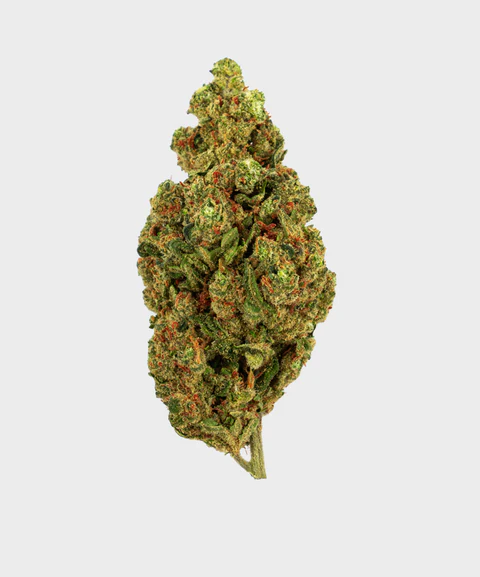
Weed in Ayacucho: Culture, Law, and Local Perspectives
Ayacucho is one of Peru’s most historically rich regions, known for its Andean traditions, colonial architecture, and deep cultural roots. When discussing weed (marijuana) in Ayacucho, the topic must be approached carefully, as it sits at the intersection of law, tradition, public health, and changing social attitudes. While cannabis exists in the region, its role is far more discreet and limited compared to some coastal or tourist-heavy areas of Peru.
Ayacucho’s Social and Cultural Context
Ayacucho is a largely conservative region with strong ties to Indigenous Quechua culture and Catholic traditions. Community values emphasize family, respect, and social responsibility.
Unlike larger cities such as Lima or Cusco, Ayacucho does not have a visible cannabis culture. Public discussion around weed is minimal, and open use is socially discouraged. Many residents associate marijuana with social problems, crime, or foreign influence rather than personal freedom or recreation.
This conservative outlook plays a major role in why cannabis use remains mostly hidden and limited in Ayacucho.
Legal Status of Weed in Ayacucho
Ayacucho follows Peru’s national drug laws. Cannabis is illegal for recreational use across the country.
Key legal points include:
- Recreational sale and distribution of weed is illegal.
- Cultivation of cannabis plants without authorization is prohibited.
- Possession of small quantities may not lead to prison, but can still result in questioning, confiscation, or legal trouble.
- Medical cannabis is legal in Peru, but access is regulated and limited.
In Ayacucho, law enforcement tends to be strict, particularly compared to more liberal urban centers.
Availability and Discretion
Weed is not openly available in Ayacucho. Any access that exists typically happens through personal connections rather than public channels.
This makes discretion essential for anyone involved with cannabis. Locals are generally cautious, and visitors should be aware that asking openly about weed can lead to suspicion or social discomfort.
Quality and consistency are also unpredictable due to the lack of regulated supply.
Attitudes Among Different Generations
Perceptions of weed in Ayacucho vary by age group:
- Older generations often view cannabis as harmful and immoral, associating it with instability or foreign influence.
- Middle-aged adults tend to see it as a social issue best avoided, even if they are aware of global debates around legalization.
- Younger people, especially students and those exposed to outside media, may have more open views, but still practice discretion due to social pressure.
Despite gradual exposure to global conversations about cannabis reform, public acceptance in Ayacucho remains limited.
Health and Public Safety Concerns
Public health messaging in the region focuses heavily on prevention and discouragement of drug use.
Concerns commonly expressed include:
- Impact on mental health, especially among young people
- Risk of dependency
- Academic and work-related consequences
- Legal risks
Medical Cannabis and Awareness
Medical cannabis is legal in Peru, but awareness in Ayacucho is relatively low. Access requires proper medical authorization, and products are usually obtained through regulated channels outside the region.
For many residents, medical cannabis remains a distant or abstract concept.
Tourism and Weed in Ayacucho
Ayacucho is not a cannabis-friendly tourist destination.
Understanding local norms is essential for a positive and respectful experience.
Changing Perspectives Over Time
While Ayacucho remains cautious, slow change is possible. National discussions about medical cannabis, mental health, and drug policy reform may eventually influence regional attitudes.
However, any shift is likely to be gradual.
Conclusion
Weed in Ayacucho exists quietly on the margins of society. Legal restrictions, conservative values, and strong community ties keep cannabis use discreet and limited. While younger generations may be more open to global conversations about marijuana, public acceptance remains low.
Anyone interested in understanding cannabis in Ayacucho must consider not just the law, but also culture, tradition, and local attitudes. Respect for the region’s values is essential, whether you are a resident or a visitor.
FAQs About Weed in Ayacucho
Is weed legal in Ayacucho?
No. Recreational weed is illegal in Ayacucho, following Peru’s national laws.
Can you possess small amounts of weed?
Small amounts may be decriminalized for personal use, but enforcement varies, and possession can still lead to legal issues.
Is medical marijuana available in Ayacucho?
Medical cannabis is legal in Peru, but access in Ayacucho is limited and requires medical authorization.
Is weed easy to find in Ayacucho?
No. Cannabis is not openly available and is usually accessed only through private connections.
Are attitudes toward weed changing?
Slowly. Younger generations may be more open-minded, but overall public acceptance remains low.
Is Ayacucho cannabis-friendly for tourists?
No. Tourists are advised to respect local laws and cultural norms, as weed is not socially accepted.
What happens if you’re caught with weed?
Consequences can include confiscation, questioning, fines, or more serious legal trouble depending on the situation.

Leave a Reply