
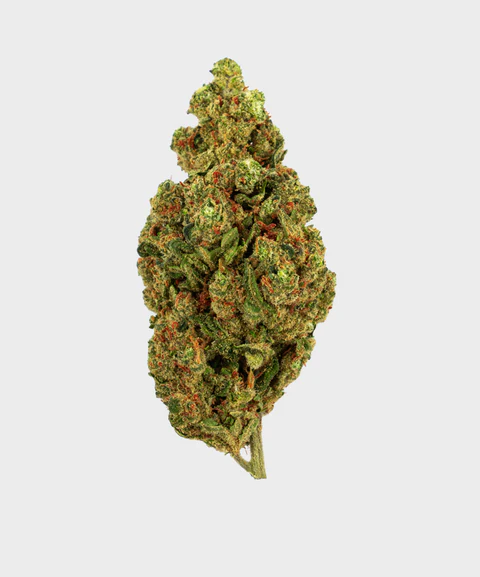
Weed in Guilin: Laws, Culture, and What Visitors Should Know
Guilin is one of China’s most iconic destinations, famous for its dramatic limestone karst mountains, winding rivers, and poetic landscapes that have inspired artists for centuries. Travelers come here for nature, culture, and tranquility. However, when it comes to cannabis (commonly called weed or marijuana), Guilin follows the same extremely strict stance found throughout mainland China. Understanding this reality is crucial for both locals and visitors, especially those coming from countries where cannabis laws are more relaxed.
It is not a guide to obtaining or using cannabis, but rather a realistic overview meant to help people stay informed and safe.
Legal Status of Weed in Guilin
Cannabis is illegal in Guilin, just as it is everywhere in mainland China. Chinese law does not distinguish between recreational and medical marijuana in the way many Western countries do. All forms of cannabis—flowers, oils, edibles, hash, and extracts—are classified as illegal narcotics.
Possession, use, cultivation, and trafficking are criminal offenses. Even very small amounts can result in serious consequences.
Penalties may include:
- Detention or arrest
- Heavy fines
- Mandatory drug testing
- Deportation for foreigners
- Long-term prison sentences in serious cases
Repeat offenses or larger quantities can result in significantly harsher punishment.
How Weed Is Viewed Culturally
Cannabis does not have a normalized or accepted place in Chinese society. This perception comes from decades of government messaging and strict drug education programs.
Many locals view cannabis in the same category as hard drugs, with little understanding or acceptance of its recreational or medicinal use elsewhere. Discussing weed openly in public, even casually, can make people uncomfortable or raise suspicion.
In Guilin, which attracts many domestic tourists and families, conservative attitudes toward drugs are particularly common.
Law Enforcement and Drug Control
China has a zero-tolerance approach to drugs, and Guilin is no exception. Law enforcement agencies conduct routine surveillance and occasional inspections, especially in nightlife areas, bars, and places frequented by foreigners.
Random drug testing does occur, including urine and hair tests. One important point many visitors do not realize is that testing can detect cannabis use even if it happened outside China, weeks or sometimes months earlier.
Foreign nationals are subject to the same laws as locals, and embassies generally cannot intervene in drug-related cases beyond providing basic legal assistance.
Weed and Tourism in Guilin
Guilin’s tourism industry focuses on nature, river cruises, hiking, traditional villages, and cultural performances. Cannabis culture is not part of the travel experience here.
Unlike some international tourist destinations, Guilin does not have a visible underground weed scene catering to visitors. Any attempt to look for drugs can expose travelers to scams, undercover police operations, or serious legal trouble.
Some tourists mistakenly assume that smaller cities are more lenient than major hubs like Beijing or Shanghai. In reality, enforcement can be just as strict, if not stricter, in smaller cities where foreign behavior stands out more.
Medical Marijuana: Is It Allowed?
Medical marijuana is not legally available in Guilin. While China has conducted limited research into cannabis-related compounds, this does not translate into legal access for patients.
CBD products exist in a legal gray area in some parts of China, but regulations change frequently, and enforcement can be inconsistent. Visitors should be cautious and avoid bringing any cannabis-derived products into the country.
Common Misconceptions About Weed in Guilin
One of the most dangerous misconceptions is believing that “small amounts don’t matter.” In Guilin, any amount can matter.
Another misconception is that foreigners are treated more leniently. In fact, foreigners can face stricter scrutiny, especially during random checks or special enforcement campaigns.
Some people believe that using weed privately is safe. However, neighbors, hotel staff, or even unfamiliar smells can lead to police involvement. Privacy does not protect against legal consequences.
Health, Safety, and Alternatives
Travelers who use cannabis for relaxation or stress relief should consider legal alternatives while in Guilin. Enjoying tea culture, traditional Chinese massages, meditation, tai chi, and nature walks can offer calming experiences without legal risk.
Guilin’s landscape encourages slow travel and mindfulness. Many visitors find that the natural surroundings provide a sense of peace similar to what they seek through cannabis use elsewhere.
Practical Advice for Visitors
- Do not bring cannabis or cannabis-related products into Guilin
- Avoid discussing drug use openly in public
- Be aware that drug testing can detect past use
- Do not assume laws are relaxed due to tourism
- Respect local customs and legal boundaries
Staying informed and cautious ensures a smooth and enjoyable visit.
FAQs About Weed in Guilin
Is weed legal in Guilin?
No. Cannabis is illegal in all forms in Guilin and throughout mainland China.
Can tourists use weed privately without getting caught?
No. Private use still carries legal risks, including detection through drug testing or reports from others.
Are penalties really enforced?
Yes. China enforces drug laws strictly, and penalties are real and serious.
Can I be tested for weed even if I used it outside China?
Yes. Drug tests can detect past cannabis use, even if it occurred abroad.
Is CBD legal in Guilin?
CBD exists in a legal gray area, but products containing THC are illegal. Enforcement can be unpredictable.
Is there a local weed culture in Guilin?
No. Cannabis is not culturally accepted, and there is no visible public weed scene.
What happens if a foreigner is caught with weed?
Consequences may include detention, fines, deportation, and a ban from re-entering China.
Are there safe alternatives to relax?
Yes. Tea ceremonies, river cruises, nature hikes, and traditional wellness practices are popular and legal ways to unwind.
Final Thoughts
Guilin is a destination best enjoyed for its breathtaking scenery, deep cultural roots, and calm atmosphere. Cannabis has no legal or cultural place in the city, and attempting to use or possess it carries serious risks. Travelers who respect local laws and customs will find Guilin to be welcoming, inspiring, and memorable—without the need for weed.

Leave a Reply