
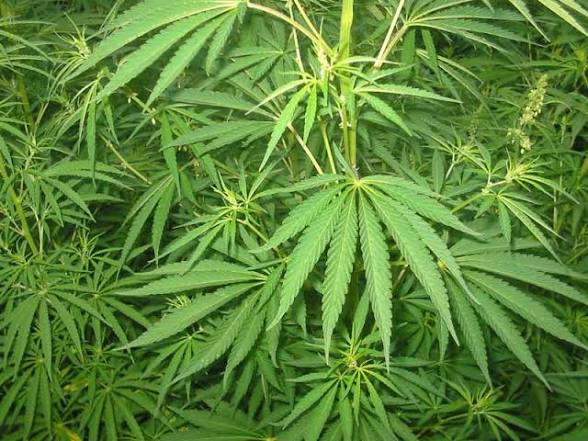
Weed in Punta Arenas: Culture, Law, and Realities at the End of the World
Punta Arenas, often called the city at the end of the world, sits at the southern edge of Chile, facing harsh winds, icy waters, and a landscape shaped by history and isolation. While most people associate this city with penguins, Patagonian sunsets, and Antarctic gateways, another quieter topic exists beneath the surface: cannabis, or weed, and how it fits into everyday life in Punta Arenas.
Cannabis here carries a different meaning than in larger Latin American cities or global weed hubs. The extreme climate, conservative traditions, and strong law enforcement presence shape how weed is viewed, accessed, and discussed.
A Conservative City with Modern Influences
Punta Arenas has long been considered more conservative than cities like Santiago or Valparaíso. The population is smaller, communities are tightly knit, and social behavior is more visible. This naturally affects cannabis culture.
That said, younger generations and returning students from central Chile have introduced more progressive views. Conversations around legalization, medical use, and personal freedom are more common than they were a decade ago. Weed is no longer an unspoken taboo, but it is still far from openly accepted.
Cannabis use in Punta Arenas tends to happen quietly and privately, most often among trusted groups of friends. Public consumption is rare, and discretion is valued.
The Legal Status of Weed in Punta Arenas
Cannabis laws in Punta Arenas are the same as in the rest of Chile, but enforcement can feel stricter due to the smaller population and fewer places to blend in.
In Chile:
- Possession of small amounts for personal use is decriminalized under certain conditions.
- Public consumption is illegal.
- Selling, distributing, or trafficking cannabis is a serious criminal offense.
- Growing cannabis plants can be legal only with medical authorization or justified personal use, and even then it remains a legal gray area.
In Punta Arenas, police scrutiny can feel stronger than in large urban centers. Encounters with law enforcement are more personal, and being recognized is common. This reality encourages a low-profile approach among users.
Availability and Access
Unlike major cities, Punta Arenas does not have a visible cannabis market. There are no open street dealers, and there is no nightlife-driven weed scene. Access is almost entirely based on personal networks.
Most cannabis arrives from central Chile, making availability inconsistent. Weather and distance often affect supply, and prices may be higher than elsewhere in the country. Quality can vary greatly depending on the source.
Because of this, many users turn toward personal cultivation, despite the climate making it challenging. Indoor growing is the most common method, using tents and lights to protect plants from the cold.
Growing Weed in a Harsh Climate
Punta Arenas is one of the most difficult places in Chile to grow cannabis naturally. The cold temperatures, strong winds, and short summers make outdoor cultivation extremely unreliable.
Indoor growing offers more control, but comes with high electricity costs and the need for proper equipment. For this reason, cultivation is usually limited to individuals with a genuine interest rather than casual users.
This challenge has indirectly limited widespread cannabis use in the region, reinforcing the idea that weed is something intentional rather than recreational or impulsive.
Medical Cannabis in Punta Arenas
Medical cannabis has gained gradual acceptance in Chile, and Punta Arenas is no exception. Patients suffering from chronic pain, epilepsy, anxiety, and other conditions have increasingly turned to cannabis-based treatments.
Doctors in the city remain cautious but are slowly becoming more open to discussing cannabis as an alternative or complementary option. However, stigma still exists, particularly among older healthcare professionals.
Patients who use medical cannabis tend to be discreet and well-informed, keeping documentation and prescriptions ready in case of legal concerns.
Social Attitudes Toward Cannabis
Public opinion on weed in Punta Arenas is mixed. Older residents often associate cannabis with delinquency or irresponsibility, while younger generations tend to see it as similar to alcohol—something that can be used responsibly.
Because Punta Arenas is a place where “everyone knows everyone,” reputation matters. Being known as a heavy weed user can carry social consequences, especially in professional or academic settings.
As a result, cannabis culture here emphasizes responsibility, privacy, and moderation.
Police Presence and Enforcement
The police in Punta Arenas are visible and active, partly due to the city’s strategic importance and border proximity. Random checks and patrols are common.
While minor possession may not always result in severe punishment, dealing or public use is taken seriously. Visitors are often surprised by how noticeable law enforcement is compared to other tourist destinations.
This environment discourages risky behavior and reinforces the importance of understanding local laws before making assumptions based on experiences elsewhere.
Weed and Tourism in Punta Arenas
Tourists visiting Punta Arenas should be especially cautious. Chile is not a cannabis tourism destination, and Punta Arenas is even less forgiving than other parts of the country.
Tourist activities revolve around nature, wildlife, and exploration, not nightlife or party culture. Using or seeking weed as a visitor can attract unwanted attention and legal trouble.
Most travelers quickly realize that Punta Arenas offers other forms of relaxation—dramatic landscapes, silence, and slow-paced living—that don’t revolve around substances.
The Future of Cannabis in Punta Arenas
As national discussions around cannabis continue in Chile, it is likely that attitudes in Punta Arenas will slowly evolve. Legal clarity, better education, and regulated access may reduce stigma over time.
However, due to its isolation and cultural character, Punta Arenas is unlikely to become a hub for cannabis culture. Instead, weed here will probably remain a private, personal choice practiced quietly and responsibly.
FAQs About Weed in Punta Arenas
Is weed legal in Punta Arenas?
Cannabis laws in Punta Arenas follow Chilean law. Small amounts for personal use are decriminalized under certain conditions, but public use, selling, and trafficking are illegal.
Can tourists use weed in Punta Arenas?
Tourists face the same legal risks as locals, with potentially more scrutiny. Cannabis tourism is not part of Punta Arenas culture, and visitors are strongly advised to avoid it.
Is medical cannabis available in Punta Arenas?
Yes, medical cannabis exists, though access depends on medical approval and personal responsibility. Acceptance is growing but remains cautious.
Can you grow cannabis in Punta Arenas?
Growing is possible but legally complex and practically difficult due to climate conditions. Indoor cultivation is most common.
How do locals view weed?
Views are mixed. Younger people tend to be more accepting, while older generations remain skeptical. Discretion is key.
Is weed easy to find in Punta Arenas?
No. Access is limited, inconsistent, and based almost entirely on personal connections.
Final Thoughts
Weed in Punta Arenas exists quietly, shaped by wind, cold, culture, and caution. It is not a city where cannabis defines social life, nor is it a place for careless experimentation. Instead, cannabis here reflects the character of the region itself—resilient, private, and deeply influenced by its environment.
Understanding this balance is essential for anyone curious about cannabis at the end of the world.

Leave a Reply