
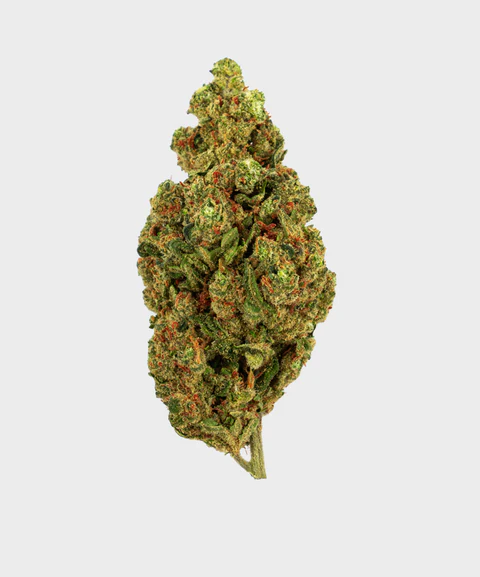
Weed in Lida: Laws, Culture, and Local Perspectives
Lida is a historic city in western Belarus, best known for its medieval castle, industrial heritage, and calm provincial atmosphere. Like much of the country, life in Lida moves at a steady pace, shaped by tradition, close-knit communities, and strong state regulation. When it comes to weed (cannabis), the situation in Lida closely mirrors the broader Belarusian approach: strict laws, low public visibility, and a culture of caution.
This article explores cannabis in Lida from a social, legal, and cultural perspective. It is intended purely for informational purposes and focuses on awareness rather than promotion or instruction.
Legal Status of Weed in Lida
Cannabis is illegal in Lida and throughout Belarus. The law does not differentiate much between small or large quantities, especially compared to countries with decriminalization policies. Possession, use, cultivation, and distribution are all prohibited under national legislation.
Penalties vary depending on circumstances such as quantity, intent, and prior offenses. Even small amounts can lead to fines, administrative detention, or criminal charges. Distribution or repeated offenses can result in more serious consequences, including long-term imprisonment.
Because enforcement is relatively strict, cannabis use in Lida is not something people discuss openly or engage in publicly. The legal risk is a major factor shaping local attitudes toward weed.
Social Attitudes Toward Cannabis
Public opinion in Lida tends to be conservative. Many residents associate cannabis with illegal activity rather than personal choice or wellness. This perception is reinforced by decades of strict drug policy and limited public discussion about alternative viewpoints.
Older generations often view weed as dangerous or morally unacceptable. Younger residents may be more exposed to global conversations around cannabis through media and the internet, but this does not translate into open acceptance locally. Even among younger people, discretion is common.
Unlike in some Western cities, there is no visible cannabis culture in Lida. No public advocacy, no cannabis-themed events, and no open discussion in everyday life.
Availability and Visibility
Cannabis has no legal market in Lida. There are no dispensaries, clubs, or semi-legal spaces of any kind. Any presence of weed exists entirely underground and out of public view.
This lack of visibility contributes to the overall perception that cannabis is rare or uncommon, even though some level of private use likely exists, as it does in most places worldwide. However, the risks involved mean that most residents choose to stay away.
Tourists and visitors should not expect cannabis to be part of local life or nightlife in Lida. The city’s social scene revolves more around cafés, family gatherings, cultural events, and traditional entertainment.
Medical Cannabis Perspective
Belarus does not have a recognized medical cannabis program. Cannabis-based medicines are not commonly prescribed, and plant-based cannabis is not accepted as treatment under standard medical practice.
As a result, cannabis is not commonly discussed in healthcare settings in Lida, and doctors generally follow national guidelines that do not include cannabis therapy.
Law Enforcement and Risk Awareness
Law enforcement in Lida operates within the national framework, which prioritizes drug control and prevention.
This reality makes discretion a defining feature of any cannabis-related behavior. Public consumption is extremely rare, and even private possession carries legal risk. Residents are generally aware of the consequences and act accordingly.
From a practical standpoint, understanding the law is essential. Ignorance of regulations does not protect individuals from penalties.
Cultural Context and Daily Life
Lida is a city where traditional values still play a strong role. Community reputation, family standing, and social responsibility matter. Cannabis does not share this acceptance and remains outside mainstream culture.
Local media coverage tends to frame cannabis in the context of crime prevention or public safety rather than lifestyle or health discussions.
Changing Global Views vs. Local Reality
Globally, attitudes toward cannabis are changing, with many countries exploring legalization, decriminalization, or medical use.
For now, cannabis remains a topic discussed quietly, if at all. Any future changes would depend on national decisions rather than local initiatives.
FAQs About Weed in Lida
Is weed legal in Lida?
No. Cannabis is illegal in Lida and across Belarus for recreational and medical use.
Can you possess a small amount without trouble?
No. Even small amounts can lead to fines, detention, or criminal charges depending on the situation.
Is medical marijuana available in Lida?
No. There is no medical marijuana program, and cannabis is not commonly used as a prescribed treatment.
Is cannabis use common among young people in Lida?
Some private use may exist, but it is not open or widespread. Most people avoid it due to legal risks.
Are tourists treated differently under cannabis laws?
No. Visitors are subject to the same laws and penalties as residents.
Is CBD legal in Lida?
CBD products exist in a legal gray area and are heavily regulated. Products containing THC are illegal.
Do people talk openly about weed in Lida?
Generally no. Cannabis is not a common topic of public conversation.
Could cannabis laws change in the future?
Any changes would depend on national legislation. At present, there are no clear signs of reform.
Final Thoughts
Weed in Lida exists largely outside public life. Strict laws, conservative social attitudes, and strong enforcement shape a reality where cannabis remains hidden and highly discouraged. While global conversations around cannabis continue to evolve, Lida reflects a more traditional approach, emphasizing caution, legality, and social responsibility.
For residents and visitors alike, understanding this context is essential. Respecting local laws and customs ensures a safer and more positive experience in this historic Belarusian city.

Leave a Reply