
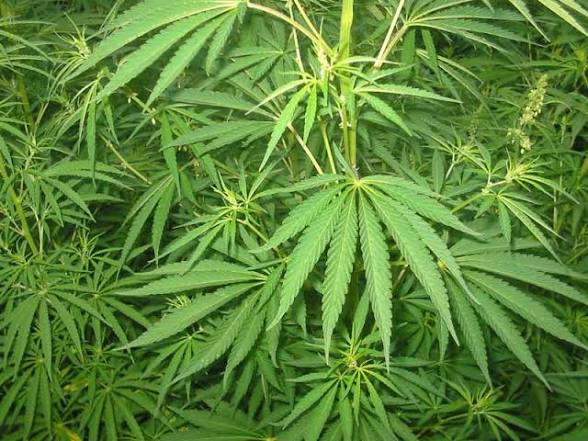
Weed in Preston: A Comprehensive Overview
Preston, a historic city in Lancashire, England, has seen a variety of social and cultural changes over the years. One topic that often comes up in discussions about the city is the use and presence of cannabis, commonly known as weed. This article aims to provide a comprehensive overview of weed in Preston, covering its legal status, social impact, and the evolving attitudes towards it within the community.
What is Weed?
Weed, or cannabis, is a plant that contains psychoactive compounds, primarily THC (tetrahydrocannabinol), which produces the “high” associated with its use. It can be consumed in various forms, including smoking, vaping, edibles, and oils. Cannabis has both recreational and medicinal uses, though its legal status varies widely around the world.
Legal Status of Weed in Preston
In the UK, including Preston, cannabis is classified as a Class B drug under the Misuse of Drugs Act 1971. This classification means that possession, production, and supply are illegal and can result in criminal charges. Possession can lead to up to five years in prison, an unlimited fine, or both. Supply and production carry even harsher penalties, including up to 14 years in prison.
Despite the strict legal framework, enforcement can vary. Police in Preston, like in other parts of the UK, may sometimes issue warnings or on-the-spot fines for small amounts, especially for first-time offenders. However, serious cases involving larger quantities or intent to supply are prosecuted rigorously.
The Social Impact of Weed in Preston
Cannabis use in Preston reflects broader national trends. It is one of the most commonly used illicit substances among young adults and students, partially due to Preston’s large student population from the University of Central Lancashire.
The use of weed has both supporters and detractors in the community. Some argue that it offers a safer alternative to alcohol and other drugs, while others highlight concerns about health risks, mental health impacts, and social issues.
Local health services have noted cases where cannabis use has contributed to mental health problems, including anxiety, depression, and in some cases, psychosis. However, there is also growing awareness of the potential medicinal benefits of cannabis, particularly for conditions like chronic pain and epilepsy.
Changing Attitudes Toward Cannabis
Over the past decade, attitudes toward cannabis have been shifting, both in Preston and across the UK. Public opinion polls consistently show increasing support for the legalization or decriminalization of cannabis, especially for medicinal use.
This shift is partly influenced by global trends, where countries such as Canada, parts of the United States, and several European nations have moved to legalize or regulate cannabis. These developments have sparked discussions in Preston about how the city and the UK might approach cannabis policy in the future.
Medical Cannabis in Preston
While recreational cannabis remains illegal, medical cannabis has been legal in the UK since November 2018, but access remains highly restricted. Patients in Preston can obtain medical cannabis only through specialist doctors, usually when other treatment options have failed.
This limited access has led to frustration among patients and advocacy groups calling for broader availability. Some local pharmacies in Preston may stock CBD products derived from hemp, which contain negligible THC and are legal to sell and use.
Weed Culture and Community in Preston
Despite legal restrictions, Preston has a visible cannabis culture. Social attitudes, particularly among younger people, tend to be more permissive. Cannabis use is often discussed openly in social settings, and there are informal networks through which people acquire cannabis.
However, this culture remains underground due to the legal constraints.
Policing and Community Safety
Preston police have adopted a balanced approach to cannabis enforcement. Community policing initiatives often include information campaigns about the risks associated with cannabis use, especially among young people.
The police also work with local health and social services to address underlying issues related to drug use, such as addiction and mental health problems.
Economic Considerations
Currently, cannabis-related economic activity in Preston remains part of the informal economy, with no tax revenue or regulation benefits for the community.
FAQs About Weed in Preston
Q: Is it legal to possess weed in Preston?
A: No, cannabis is illegal in Preston and throughout the UK. Possession can lead to fines or imprisonment.
Q: Can I get medical cannabis in Preston?
A: Medical cannabis is legal but highly restricted. It can only be prescribed by specialist doctors and is typically for patients with specific medical conditions.
Q: What are the risks of using weed?
A: Risks include impaired memory, coordination, and mental health issues such as anxiety or psychosis, especially with heavy use or use at a young age.
Q: How do the police in Preston handle cannabis offenses?
A: Police may issue warnings or fines for small amounts but prosecute serious offenses involving supply or production.
Q: Is there a movement to legalize cannabis in Preston?
A: While there is public support for legalization, no formal local initiatives exist. Discussions mirror broader UK debates.
Q: Are CBD products legal in Preston?
A: Yes, CBD products with low THC content are legal and available in some shops and pharmacies.
Q: What should I do if I want help with cannabis addiction in Preston?
A: You can contact local health services or drug support organizations for advice and treatment options.
Conclusion
Weed in Preston occupies a complex space between legality, social acceptance, and public health concerns. While cannabis remains illegal, changing attitudes and increased awareness of its medicinal potential suggest that future policies may evolve. For now, residents and visitors should be aware of the legal risks and health considerations associated with cannabis use.
As the conversation continues, Preston’s experience will reflect broader national and global trends surrounding this contentious and evolving issue.
12 thoughts on “weed in Preston”