
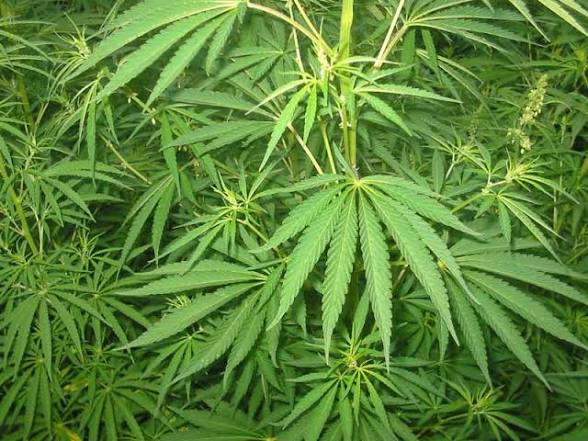
Weed in Forlì: Understanding the Local Context, Culture, and Legal Landscape
Forlì, a charming city in the Emilia-Romagna region of Italy, is known for its rich history, vibrant culture, and beautiful landscapes. Like many places around the world, Forlì has seen a growing conversation about cannabis, commonly referred to as weed. This article explores the presence and perception of weed in Forlì, touching on its legal status, cultural aspects, social implications, and ongoing debates within the community.
The Legal Status of Weed in Forlì and Italy
To understand the situation of weed in Forlì, it’s essential to first look at the broader legal framework in Italy. Cannabis remains illegal for recreational use across the country. Possession of small amounts for personal use is decriminalized but can still lead to administrative sanctions such as fines, suspension of driver’s licenses, or other penalties. Cultivation and sale of cannabis without authorization are criminal offenses.
However, medical cannabis is legal under strict regulations. Patients with specific medical conditions can access cannabis-based medications prescribed by doctors and dispensed through pharmacies.
The Cultural and Social Scene
In Forlì, as in many Italian cities, cannabis use has been part of youth and countercultural movements for decades. While not as publicly visible as in some other cities, there is an undercurrent of cannabis culture, especially among young adults and university students. The University of Bologna, with its campus in Forlì, plays a role in shaping these attitudes, as students often engage in discussions about drug policies, health, and social justice.
Despite the conservative legal stance, many locals view cannabis through a lens of personal freedom and harm reduction. Informal social networks and gatherings where cannabis is consumed exist but tend to be discreet due to legal risks. The stigma around cannabis is slowly changing, with more people advocating for legalization or at least decriminalization.
Weed and Forlì’s Economy
While Forlì does not have a large-scale cannabis industry, the evolving global market and Italy’s gradual openness to medical cannabis present potential economic opportunities. Some local entrepreneurs and farmers have shown interest in cultivating hemp—cannabis varieties low in THC and used for industrial and wellness products. Hemp cultivation is legal and growing in popularity due to its environmental benefits and versatility.
The possibility of expanding legal medical cannabis production could also provide jobs and stimulate local businesses in Forlì and the broader Emilia-Romagna region. However, this remains subject to national regulations and the pace of legislative changes.
Health and Safety Considerations
Health professionals in Forlì emphasize the importance of public education about cannabis use. While cannabis can have therapeutic benefits, especially in medical contexts, recreational use carries risks, particularly for young people and those with mental health vulnerabilities.
Local health services provide counseling and support for individuals struggling with cannabis dependence. Harm reduction programs aim to minimize negative outcomes by promoting safer consumption practices and informed decision-making.
The Debate on Legalization
The debate over cannabis legalization is active in Forlì, reflecting national and international trends. Advocates argue that legalization would reduce crime, improve public health through regulation, and generate tax revenue. They also highlight the social justice aspect, pointing to the disproportionate impact of drug laws on marginalized communities.
Opponents often cite concerns about public health, youth exposure, and moral issues. In Forlì, this debate plays out in community meetings, university forums, and social media, illustrating a city engaged in a broader societal conversation.
Conclusion
Weed in Forlì exists at the intersection of tradition and change. While current laws impose restrictions, cultural attitudes and economic interests indicate a gradual shift. The city’s residents are navigating this complex terrain with a mix of caution, curiosity, and activism. As Italy continues to reconsider its cannabis policies, Forlì’s experience will remain a valuable example of local adaptation and dialogue.
FAQs About Weed in Forlì
Q1: Is cannabis legal in Forlì?
Cannabis is illegal for recreational use in Forlì, as it is throughout Italy. Small amounts for personal use are decriminalized but can still lead to fines or other administrative penalties. Medical cannabis is legal under strict regulations.
Q2: Can I buy medical cannabis in Forlì?
Yes, patients with a prescription can access medical cannabis through pharmacies in Forlì, following Italian national guidelines.
Q3: Are there any cannabis clubs or social groups in Forlì?
While formal cannabis clubs are not legally recognized, there are informal social circles where cannabis use occurs discreetly. These are not public or officially sanctioned.
Q4: What are the risks of using cannabis in Forlì?
Legal risks include fines and administrative sanctions for possession. Health risks include potential impacts on mental health, especially among young people or those with predispositions to psychiatric conditions.
Q5: Is hemp cultivation popular in Forlì?
Hemp cultivation is growing in Emilia-Romagna, including areas near Forlì, due to its legal status and economic potential in industries like textiles, food, and wellness products.
Q6: How is the cannabis legalization debate viewed in Forlì?
The debate is active and diverse, with voices both for and against legalization. Discussions often focus on public health, social justice, and economic benefits.
Q7: Where can I get help if I have problems with cannabis use in Forlì?
Local health services offer counseling and support for those facing cannabis dependency or related issues. Harm reduction programs and mental health professionals are available in the city.
This overview provides a comprehensive look at the multifaceted relationship between weed and the community of Forlì, reflecting local realities within the broader Italian and international context.
9 thoughts on “weed in Forlì”