
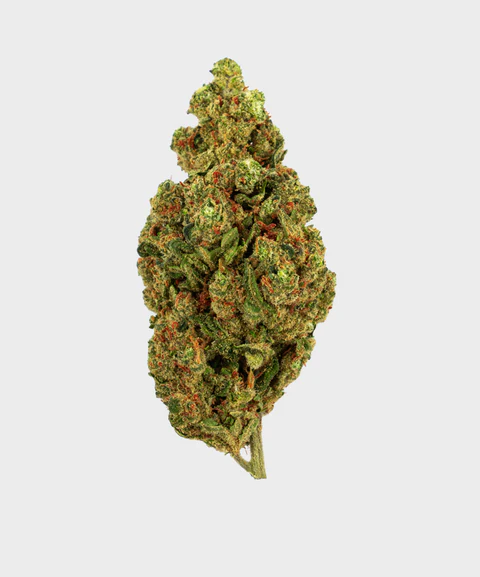
Weed in Tuluá: Culture, Law, and Everyday Realities
Tuluá, often called the “Corazón del Valle,” sits in the fertile Valle del Cauca region of Colombia. Known for agriculture, warm weather, and a strong sense of community, the city reflects many of the broader conversations happening across Colombia about cannabis. From changing laws to evolving attitudes, weed in Tuluá exists at the intersection of tradition, policy, public health, and youth culture.
This article explores the social context, legal framework, and practical realities surrounding cannabis in Tuluá—without promoting or encouraging illegal activity—so readers can better understand how the topic fits into everyday life in the city.
A Brief Cultural Context
Cannabis has been present in Colombia for decades, but its role has shifted significantly over time. Historically, marijuana was overshadowed by Colombia’s association with other illicit drugs. In recent years, however, national debates around decriminalization, medical use, and personal freedom have changed how people talk about weed.
In Tuluá, cannabis use tends to be discreet. While you may find younger generations more open to discussing it, older residents often view the topic cautiously. This mix of perspectives reflects a city balancing traditional values with modern social change.
Legal Status of Cannabis in Colombia
Understanding weed in Tuluá requires understanding Colombian law. Colombia has decriminalized possession of small amounts of cannabis for personal use. This means that carrying a limited quantity is not a criminal offense, although it can still lead to police confiscation or fines depending on circumstances.
Key legal points include:
- Sale and trafficking: Buying or selling cannabis without authorization remains illegal.
- Home cultivation: Growing a small number of plants for personal use exists in a legal gray area and can still attract police attention.
In Tuluá, as in the rest of Colombia, enforcement can vary depending on location, discretion of authorities, and local policies.
Public Perception in Tuluá
Public opinion in Tuluá is mixed but gradually changing. Many residents view cannabis similarly to alcohol: acceptable in private, problematic when abused or displayed publicly. Others, especially conservative families, see it as a social risk tied to crime or youth problems.
However, open use is uncommon due to social pressure and respect for community norms.
Cannabis and Youth Culture
Youth culture plays a significant role in shaping cannabis attitudes in Tuluá. Music, social media, and global trends influence how younger people talk about weed. While some see it as a symbol of personal freedom or modern thinking, others remain cautious due to family expectations and legal uncertainty.
Educational institutions and parents in Tuluá frequently emphasize prevention and responsibility, focusing on the risks of early or excessive use rather than moral panic.
Medical Cannabis and Changing Attitudes
One of the biggest shifts in perception comes from medical cannabis. Colombia has developed a regulated medical cannabis industry, allowing licensed production and use for specific conditions.
Although medical marijuana is not commonly discussed in daily conversation in Tuluá, awareness is growing. Many residents who oppose recreational use are more accepting of cannabis when framed as medicine. This distinction has helped reduce stigma and opened space for more balanced conversations.
Law Enforcement Reality in Tuluá
In practice, interactions with police regarding weed in Tuluá tend to focus on maintaining public order. Discretion plays a major role. Individuals found consuming cannabis in public parks or near schools may face fines or confiscation rather than arrest.
Police priorities often center on distribution networks and other serious crimes, rather than individual users. Still, residents generally avoid public consumption to prevent problems.
Social Spaces and Discretion
Unlike some global cities, Tuluá does not have cannabis cafés or openly weed-friendly venues. Use typically happens in private homes or out-of-sight settings. Discretion is key, and respecting neighbors is considered important.
This low-visibility approach helps explain why visitors sometimes assume weed is rare in Tuluá, even though it is present like in most Colombian cities.
Risks and Responsibility
While conversations about weed often focus on legality, residents of Tuluá also talk about health and responsibility. Common concerns include:
- Overuse affecting motivation or mental health
- Mixing cannabis with alcohol
- Impact on young people and school performance
- Legal misunderstandings leading to unnecessary trouble
Community leaders and educators encourage informed decision-making and awareness rather than punishment.
The Future of Weed in Tuluá
As Colombia continues to debate broader legalization and refine its cannabis policies, Tuluá is likely to follow national trends. Increased regulation, clearer rules, and public education may reduce confusion and stigma.
For now, cannabis in Tuluá remains a quiet but present part of city life—neither fully embraced nor aggressively targeted, but shaped by law, culture, and mutual respect among residents.
FAQs About Weed in Tuluá
Is weed legal in Tuluá?
Public use and sale remain illegal.
Can you smoke weed in public places?
No. Smoking cannabis in public spaces can result in fines, confiscation, or other penalties.
Do people openly use cannabis in Tuluá?
Most use is private. Public consumption is uncommon due to social norms and legal risks.
Is medical cannabis allowed?
Yes, medical cannabis is legal in Colombia under regulation, but access requires proper authorization and prescriptions.
How strict is police enforcement in Tuluá?
Enforcement focuses on public order and trafficking. Personal use is usually handled with warnings or fines if it occurs in public.
Are attitudes toward weed changing?
Yes. Younger generations and medical cannabis discussions have contributed to more open, nuanced views.
Is growing cannabis at home allowed?
Home cultivation exists in a legal gray area. While small-scale personal grows are discussed nationally, it can still attract police attention.
Conclusion
Weed in Tuluá reflects a city in transition—balancing tradition, law, and evolving attitudes. While cannabis is present, it remains discreet, shaped by respect for community standards and an awareness of legal boundaries. As national policies continue to evolve, Tuluá’s approach will likely remain cautious, practical, and rooted in local values.

Leave a Reply