
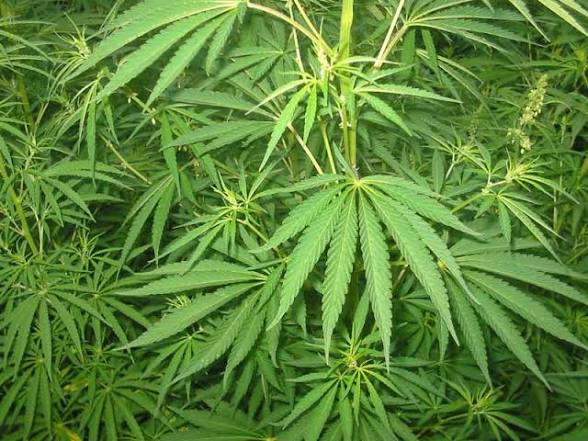
Weed in Santander de Quilichao: Culture, Law, and Local Perspectives
Santander de Quilichao, a vibrant municipality in northern Cauca, Colombia, is known for its rich Afro-Colombian heritage, agricultural traditions, and strong sense of community. Like many towns across Colombia, conversations around cannabis—locally known as marihuana—have become more common in recent years. These discussions touch on legal changes, cultural attitudes, public health, and the realities faced by young people and farmers alike. Understanding weed in Santander de Quilichao requires a balanced look at history, law, social life, and ongoing debates.
A Brief Cultural and Historical Context
Cauca has long been an agricultural heartland, with fertile soils and diverse ecosystems. Historically, cannabis was not a central crop in Santander de Quilichao; sugarcane, coffee, and subsistence farming dominated local production. However, during the late 20th century, cannabis entered broader Colombian consciousness due to regional trafficking routes and national drug policies. For locals, weed was often seen less as a community tradition and more as an external influence tied to national and international dynamics.
Over time, perceptions evolved. Younger generations, influenced by music, social media, and global trends, tend to view cannabis as a lifestyle choice or wellness topic. Older residents often remain cautious, shaped by decades of conflict and strict enforcement that associated drugs with violence and instability. These contrasting viewpoints coexist in everyday conversations.
Legal Status in Colombia and Local Implications
Colombia’s cannabis laws are nuanced. Personal possession of small amounts of marijuana has been decriminalized for personal use, while large-scale cultivation, distribution, and trafficking remain illegal without proper authorization. Medical cannabis is legal under a regulated framework, allowing licensed companies to grow and process cannabis for medical and scientific purposes.
In Santander de Quilichao, this means individuals may legally possess limited quantities for personal use, but public consumption is restricted in areas like schools, parks, and public transportation. Local authorities enforce these rules with an emphasis on public order rather than punishment, though enforcement can vary.
Medical cannabis has created new conversations in the region. While Cauca hosts rural areas suitable for cultivation, strict licensing requirements mean that most legal operations are handled by larger companies elsewhere. Still, residents are increasingly aware of cannabis as medicine, especially for pain management and chronic conditions.
Social Attitudes and Community Views
Attitudes toward weed in Santander de Quilichao are mixed and often depend on age, education, and personal experience. Among youth and urban residents, cannabis is sometimes compared to alcohol—a substance to be used responsibly by adults. In social gatherings, it may appear discreetly, though many prefer to keep use private to avoid stigma.
Community leaders and parents often stress caution. Concerns include the impact on education, mental health, and public safety. There is also a strong emphasis on preventing underage use, with schools and local organizations promoting awareness campaigns focused on informed choices rather than fear-based messaging.
Religious and cultural values also play a role. For some families, weed conflicts with deeply held beliefs about discipline and moral responsibility. These perspectives shape local debates and influence how openly people discuss cannabis.
Public Health and Education
Public health discussions around weed in Santander de Quilichao focus on moderation, mental well-being, and risk awareness. Healthcare professionals emphasize that while cannabis may have medical benefits, recreational use is not risk-free. Issues like dependency, impaired concentration, and anxiety are part of local health education efforts.
Educational programs often aim to provide balanced information. Instead of framing cannabis purely as a criminal issue, newer approaches treat it as a health and social topic. This shift reflects broader national changes and aligns with community-based strategies that prioritize dialogue.
Economic and Agricultural Conversations
Cauca’s agricultural identity naturally leads to questions about cannabis as a potential economic opportunity. While Santander de Quilichao itself is not a hub for licensed cannabis cultivation, discussions around alternative crops and rural development are ongoing. Some farmers are curious about the medical cannabis industry, seeing it as a way to diversify income.
However, barriers remain significant: licensing costs, regulatory complexity, and limited access to capital. As a result, most local farmers continue to focus on traditional crops. The idea of cannabis as an economic driver remains more theoretical than practical for most residents.
Law Enforcement and Community Safety
Local law enforcement approaches weed primarily through the lens of public safety. Efforts tend to focus on preventing distribution near schools and addressing associated issues like petty crime. Community policing models emphasize cooperation, encouraging residents to report concerns while avoiding heavy-handed tactics.
This approach reflects lessons learned from decades of conflict in Colombia. Many people in Santander de Quilichao support policies that reduce harm and avoid escalating tensions, especially among youth.
The Future of Weed in Santander de Quilichao
Looking ahead, the conversation around weed in Santander de Quilichao is likely to continue evolving. National debates about further legalization, regulation, and economic inclusion will influence local realities. As medical research expands and stigma slowly decreases, cannabis may become a more openly discussed topic.
Community voices will remain central. Residents consistently emphasize the importance of education, respect for the law, and protecting young people. Rather than seeing weed as a defining issue, many locals prefer to view it as one of several social topics that require thoughtful, community-driven solutions.
FAQs About Weed in Santander de Quilichao
Is weed legal in Santander de Quilichao?
Small amounts for personal use are decriminalized under Colombian law, but selling, large-scale cultivation, and unauthorized distribution remain illegal.
Can people smoke weed in public places?
Public consumption is restricted in areas such as schools, parks, and public transport. Enforcement focuses on maintaining public order.
Is medical cannabis available locally?
Medical cannabis is legal in Colombia through licensed providers, but local access in Santander de Quilichao is limited compared to larger cities.
How do most locals feel about cannabis?
Opinions vary. Younger residents tend to be more accepting, while older generations often approach the topic with caution.
Does cannabis play a role in the local economy?
Currently, it does not play a significant role in Santander de Quilichao’s economy. Most cannabis-related economic activity happens elsewhere under strict regulation.
Are there education programs about weed?
Yes, schools and community organizations focus on awareness, mental health, and responsible decision-making rather than punishment.
What is the biggest concern about weed locally?
Protecting youth and ensuring public health and safety are the main concerns expressed by community members.

Leave a Reply