
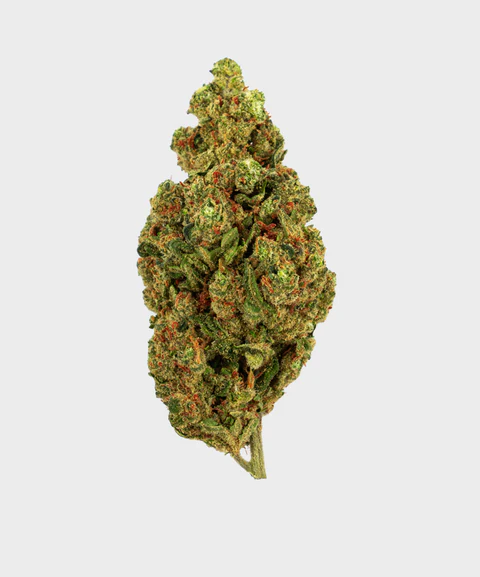
Weed in Tumaco: Culture, Reality, and Legal Context
Tumaco, a coastal city on Colombia’s Pacific shore, is known for its mangroves, Afro-Colombian heritage, music, fishing traditions, and complex social history. When people talk about weed in Tumaco, the conversation is often shaped by wider debates about drug policy, rural livelihoods, public security, and cultural identity. Understanding the topic requires nuance—looking beyond stereotypes to see how cannabis fits into the city’s social fabric, legal framework, and everyday realities.
Tumaco’s Social and Geographic Setting
Tumaco sits in the department of Nariño, a region defined by fertile land, river networks, and access to the Pacific Ocean. These features have supported agriculture and fishing for generations. At the same time, isolation, limited infrastructure, and uneven state presence have created economic pressures.
Cannabis is not the defining feature of Tumaco, but it appears in public discourse because it is part of Colombia’s broader history with psychoactive substances and rural economies.
Historical Background of Cannabis in the Region
Cannabis cultivation has existed in different parts of Colombia for decades, often moving geographically as enforcement, markets, and policies shift. In coastal and rural areas, crops sometimes emerge as alternatives when traditional agriculture fails to provide stable income.
In Tumaco, cannabis has never reached the symbolic status that coca has held nationally, yet it has been present at various points. For some families, it represented a short-term economic option during periods of hardship. Over time, this dynamic attracted attention from authorities and contributed to the region’s complex relationship with the state.
Legal Status of Weed in Colombia
Understanding weed in Tumaco requires understanding Colombia’s legal framework.
In Colombia:
- Cultivation and distribution without authorization remain illegal, especially at commercial scales.
- Medical cannabis is legal under regulated conditions, but this industry operates through licensed companies, not informal local markets.
For residents of Tumaco, this means cannabis use exists in a gray area: legally tolerated in minimal personal quantities, but tightly restricted in production and sale.
Cannabis and Daily Life in Tumaco
Cannabis use in Tumaco mirrors patterns found across Colombia. It is more visible among younger populations and in informal social spaces. However, it is not publicly celebrated or central to social identity. Many residents view weed pragmatically—neither glamourizing it nor considering it a major local issue compared to unemployment, education, or infrastructure.
Families and community leaders often focus on protecting youth from involvement in illegal economies, regardless of the substance involved.
Economic Pressures and the Drug Trade Narrative
Tumaco frequently appears in national conversations about illicit economies. This attention can be misleading. Fishing, small commerce, transportation, and public services remain the backbone of everyday life.
Cannabis becomes part of the narrative because it represents:
- Limited economic alternatives in rural zones
- The influence of illegal armed groups in certain areas
- The difficulty of transitioning to legal livelihoods
Community organizations have long argued that development, education, and infrastructure—not just enforcement—are key to changing these dynamics.
Public Perception and Stigma
One of the challenges for Tumaco is stigma. National and international media often reduce the city to a “drug hotspot.” This perception affects tourism, investment, and residents’ sense of dignity.
Locals frequently push back against this narrative, emphasizing:
- Tumaco’s cultural richness
- Its music, food, and festivals
- The resilience of communities working toward peace and stability
Health and Social Considerations
From a public health perspective, cannabis use raises familiar concerns:
- Impact on adolescent brain development
- Risk of dependency for some users
- Interaction with mental health conditions
Local health advocates stress education over punishment.
Policy Shifts and the Future
Colombia continues to debate drug policy reforms, including regulation, rural substitution programs, and peace-building strategies. Any meaningful change in Tumaco will likely depend on:
- Expanding legal economic opportunities
- Strengthening schools and vocational training
- Improving infrastructure and market access
- Ensuring consistent, fair application of the law
Cannabis policy alone cannot transform Tumaco, but inclusive development can reduce reliance on informal and illegal activities.
Cannabis, Culture, and Moving Forward
Weed in Tumaco is not a defining trait of the city.
Understanding this topic with empathy rather than judgment is essential. Tumaco is far more than the headlines suggest, and any discussion of cannabis should reflect the city’s complexity rather than simplify it.
FAQs About Weed in Tumaco
Is cannabis legal in Tumaco?
Cannabis is partially decriminalized in Colombia for personal use in small quantities, but cultivation and sale without authorization are illegal. Tumaco follows the same national laws.
Can tourists use weed openly in Tumaco?
Open consumption can attract legal trouble. Enforcement varies, and public use is generally discouraged.
Is Tumaco known for cannabis production?
How do locals generally view weed?
Views are mixed. Many see it as a minor issue compared to employment, safety, and education concerns.
Are there legal medical cannabis programs in Tumaco?
Medical cannabis exists in Colombia under strict regulation, but it operates through licensed companies, not informal local markets.
Does weed play a role in Tumaco’s culture?
No. Music, food, family, and community traditions are far more central to local identity.
What is the biggest challenge related to drugs in Tumaco?
The main challenges are economic inequality, limited opportunities, and the stigma associated with illicit economies.

Leave a Reply