
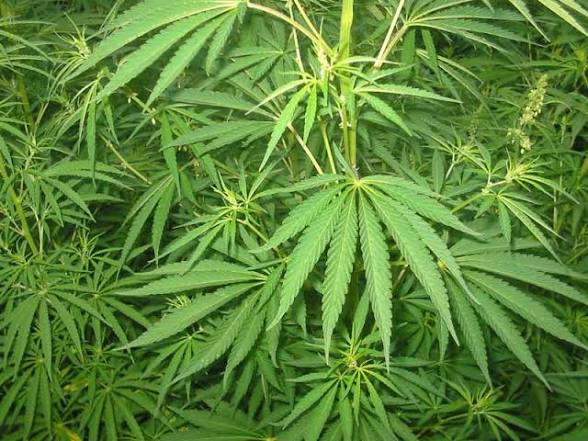
Weed in Contagem: Laws, Culture, and Local Perspectives
Contagem, a major city in the metropolitan region of Belo Horizonte, Minas Gerais, is known for its strong industrial base, vibrant neighborhoods, and growing cultural scene. Like many Brazilian cities, conversations about weed (maconha) in Contagem have become more open in recent years, driven by national debates on drug policy, medical cannabis, and personal freedoms. Still, the topic remains complex, shaped by law, social attitudes, and public health concerns.
This article explores weed in Contagem from a local and human perspective—covering legal realities, cultural views, health considerations, and the future of cannabis discussions in the city—without promoting or encouraging illegal activity.
Understanding the Legal Status in Brazil
To understand weed in Contagem, it’s essential to start with Brazil’s national drug laws. Cannabis is illegal for recreational use across the country. Possession for personal use is not treated the same as trafficking, but it is still considered unlawful. Individuals caught with small amounts may face penalties such as warnings, community service, or mandatory educational programs rather than jail time.
However, the law does not clearly define what counts as “personal use” versus “intent to distribute.” This ambiguity often leaves decisions to police discretion and the courts, which can result in unequal outcomes depending on circumstances, location, and social factors.
In Contagem, as in other urban centers, enforcement can vary by neighborhood. Public consumption is generally frowned upon and more likely to draw police attention, especially in busy or family-oriented areas.
Social Attitudes Toward Weed in Contagem
Contagem reflects a mix of conservative and progressive attitudes. Older generations and more traditional communities often associate weed with crime, moral decline, or public disorder. These views are influenced by decades of strict drug policies and media portrayals linking cannabis to violence.
At the same time, younger residents, university students, artists, and professionals tend to have more relaxed or nuanced opinions. For many, weed is seen as comparable to alcohol—something that can be used responsibly but also misused. This generational divide is noticeable in conversations at social gatherings, cultural events, and online forums.
Religion also plays a role in shaping opinions. Minas Gerais has strong Catholic and evangelical communities, many of which openly oppose drug use, including marijuana. These voices continue to influence public discourse in Contagem.
Cannabis and Urban Life
As a densely populated city with industrial zones and residential neighborhoods, Contagem presents unique dynamics. Weed use is generally a private activity, taking place in homes rather than public spaces. Residents are often cautious due to legal risks and social judgment.
Unlike larger cultural hubs, Contagem does not have a visible cannabis culture. There are no public events or spaces openly associated with weed. Instead, any discussion or use tends to remain discreet. This discretion reflects both legal constraints and a desire to avoid conflict with neighbors or authorities.
Medical Cannabis: A Changing Conversation
One of the most significant shifts in recent years has been the growing acceptance of medical cannabis in Brazil. While recreational use remains illegal, medical cannabis products are permitted under specific conditions with proper authorization.
In Contagem, as in the rest of Minas Gerais, families with members suffering from epilepsy, chronic pain, autism spectrum disorders, or other conditions have increasingly advocated for access to cannabis-based treatments. These stories have helped humanize the issue and change public perception.
Local healthcare professionals are becoming more informed, though access remains limited due to cost, bureaucracy, and lack of widespread medical training. Still, medical cannabis has opened the door to more balanced discussions about weed, focusing on science and patient well-being rather than stigma.
Health Considerations and Responsible Dialogue
Any discussion about weed must include health considerations. Cannabis can have both potential benefits and risks. Some users report relaxation, pain relief, or reduced anxiety, while others experience negative effects such as impaired memory, anxiety, or dependency.
In Contagem, public health messaging generally emphasizes prevention, especially among youth. Schools and community programs focus on educating young people about substance use, encouraging informed decision-making rather than fear-based messaging.
Mental health professionals often stress that cannabis affects individuals differently. Factors such as age, frequency of use, mental health history, and social environment all play a role in outcomes.
Policing and Social Inequality
Like many Brazilian cities, Contagem faces challenges related to inequality and public security. Drug enforcement has historically affected poorer neighborhoods more heavily, contributing to broader debates about fairness and social justice.
Critics argue that current cannabis laws disproportionately impact young, low-income, and Black residents, even when usage rates are similar across social groups. These concerns are increasingly part of national conversations, and Contagem is no exception.
Community leaders and activists in the region often call for reforms that prioritize education, treatment, and harm reduction over punishment.
The Future of Weed in Contagem
The future of weed in Contagem is closely tied to national policy changes. Brazil continues to debate decriminalization, clearer possession limits, and expanded medical cannabis access. While progress is slow, public opinion is gradually evolving.
In Contagem, any change is likely to be gradual rather than sudden. Increased awareness, scientific research, and patient advocacy will probably continue to shape local attitudes. For now, discretion and respect for the law remain key aspects of how weed fits into city life.
FAQs About Weed in Contagem
Is weed legal in Contagem?
No. Weed is illegal for recreational use in Contagem and throughout Brazil. Possession for personal use can still result in legal penalties, though these are usually non-criminal.
Can you go to jail for having weed in Contagem?
Small amounts intended for personal use usually lead to alternative penalties rather than jail. However, if authorities believe there is intent to distribute, the consequences can be severe.
Is medical cannabis allowed in Contagem?
Yes, under specific conditions. Patients must follow federal regulations and obtain proper authorization to use cannabis-based medical products.
Is public consumption common in Contagem?
No. Public use is uncommon and generally avoided due to legal risks and social disapproval.
How do people in Contagem generally view weed?
Opinions vary. Some view it negatively due to cultural and religious beliefs, while others—especially younger residents—hold more open or neutral views.
Are attitudes changing in Contagem?
Slowly, yes. Medical cannabis and broader national debates are helping reduce stigma, though recreational use remains controversial.
Is weed treated the same as other drugs by police?
Legally, cannabis is considered an illicit drug, but enforcement priorities and outcomes can vary depending on context and perceived intent.
Final Thoughts
Weed in Contagem exists at the intersection of law, culture, health, and social change. While it remains illegal, the conversation around cannabis is becoming more nuanced and human-centered. As Brazil continues to reassess its drug policies, cities like Contagem will likely play an important role in shaping a more informed and balanced approach—one that considers public health, individual rights, and social equity.

Leave a Reply