
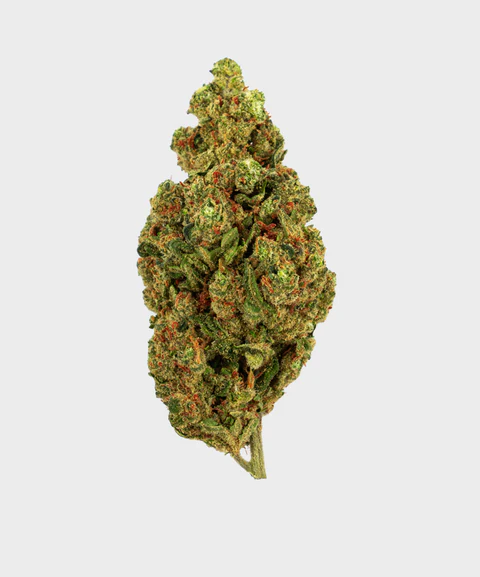
Weed in Cusco: Culture, Laws, and Local Realities
Cusco is one of South America’s most iconic cities. Once the capital of the Inca Empire, it now attracts travelers from around the world who come for its history, architecture, and proximity to Machu Picchu. Alongside tourism, questions often arise about cannabis—locally referred to as marihuana—and how it fits into daily life in Cusco. Understanding the topic requires separating myth from reality, especially when it comes to local laws, cultural attitudes, and practical risks.
This article offers a clear, human-readable overview of weed in Cusco, focusing on social context rather than promotion or instruction.
Cannabis and Peruvian Culture
Cannabis does not have deep traditional roots in Andean culture.
Among younger Peruvians and some alternative or artistic communities, cannabis is viewed as part of global youth culture rather than a traditional practice. In Cusco, this influence is noticeable due to tourism, backpacker culture, and international exchange. However, mainstream society still tends to associate marijuana with illegality and risk rather than relaxation or wellness.
Legal Status of Weed in Cusco
Cusco follows Peruvian national law, which applies uniformly across the country.
Peru decriminalized possession of small amounts of drugs for personal use many years ago. For cannabis, adults may legally possess a very small quantity strictly for personal consumption. However, this does not mean cannabis is legal in a practical sense.
Key legal realities include:
- Possession limits are extremely low, and exceeding them can lead to serious legal trouble.
- Selling, buying, or transporting cannabis is illegal, regardless of quantity.
- Cultivation is illegal, even for personal use.
- Public consumption is not permitted and can lead to police intervention.
In practice, the law leaves a lot of discretion to law enforcement. This means that even when someone technically falls within legal limits, interactions with police can still be stressful, time-consuming, or costly.
Law Enforcement and Practical Risks
Cusco is a major tourist destination, and police presence is strong, particularly in the historic center, San Blas, and transport hubs. Officers are generally focused on safety, theft prevention, and crowd control, but drug enforcement remains part of their role.
Foreigners often face higher scrutiny. Even minor infractions can escalate due to language barriers or unfamiliarity with local procedures. While arrests for simple possession are not common, fines, confiscation, or questioning are real possibilities.
Another risk is inconsistency. Enforcement can vary depending on the officer, the location, and the situation. What might be ignored in one context could become a problem in another. For locals, this unpredictability reinforces a cautious approach toward cannabis.
Weed and Tourism in Cusco
Tourism heavily shapes perceptions of cannabis in Cusco. Some travelers assume that because Cusco feels relaxed and spiritually oriented, marijuana use is socially accepted. This assumption often leads to misunderstandings.
Most residents prioritize protecting Cusco’s image as a historical and cultural center. As a result, tolerance for behavior associated with drugs is lower than in some beach or party destinations.
Social Attitudes Toward Cannabis
Local attitudes toward weed are mixed but lean conservative. Older generations often associate cannabis with crime or moral decline, while younger people may view it as a personal choice. Still, even among younger residents, discretion is valued.
Cannabis use typically remains private. It is not something openly discussed with strangers, and asking about it casually can make people uncomfortable. Social acceptance depends heavily on trust and context.
In Cusco, respect is a key value. Visitors who show awareness of local norms tend to have smoother experiences overall.
Health and Safety Considerations
Beyond legal concerns, health and safety are important. Because cannabis is illegal to sell, quality control does not exist. Products can be poorly handled, contaminated, or misrepresented.
Altitude is another factor. Cusco sits at over 3,400 meters above sea level, and many visitors experience altitude sickness. Cannabis can intensify dizziness, anxiety, or nausea, particularly for those not acclimatized.
The Future of Cannabis in Peru
National conversations about cannabis are slowly evolving. Medical use has gained legal recognition, and public discussion is more open than in the past. However, recreational legalization is not currently a political priority.
In Cusco, preservation of culture and tourism stability tends to outweigh experimentation with drug policy. Any future changes are likely to be cautious and gradual.
For now, cannabis remains legally restricted and socially sensitive.
FAQs About Weed in Cusco
Is weed legal in Cusco?
Cannabis is not legal to buy, sell, grow, or use publicly. Possession of a very small amount for personal use is decriminalized but still risky in practice.
Can tourists get in trouble for having weed?
Yes. Even small amounts can lead to questioning, confiscation, or legal complications, especially for foreigners unfamiliar with local laws.
Is smoking weed in public allowed?
No. Public consumption is not permitted and can attract police attention or fines.
Is cannabis part of traditional Andean culture?
No. Traditional Andean practices center on coca leaves, not marijuana. Cannabis is a modern, imported element.
Are locals open about cannabis use?
Generally no. Use tends to be private, and discussing it openly with strangers is uncommon.
Is medical marijuana available in Cusco?
Medical cannabis is legal in Peru under strict regulations, but access is limited and typically requires formal registration.
Is Cusco tolerant compared to other Peruvian cities?
Cusco may appear relaxed due to tourism, but it is not more tolerant in legal terms. Enforcement can actually be stricter in tourist areas.
What should visitors keep in mind?
Respect local laws, customs, and cultural spaces. Cusco values history and tradition, and behavior seen as disrespectful can have serious consequences.
Final Thoughts
Cusco is a city defined by heritage, spirituality, and pride in its past. While cannabis exists on the margins of modern life there, it is not embraced as part of local identity. Understanding the legal framework and social attitudes is essential for anyone curious about weed in Cusco.
Ultimately, respecting local norms and focusing on what Cusco offers—its history, landscapes, and living culture—leads to a far richer and safer experience than testing the boundaries of cannabis laws.

Leave a Reply