
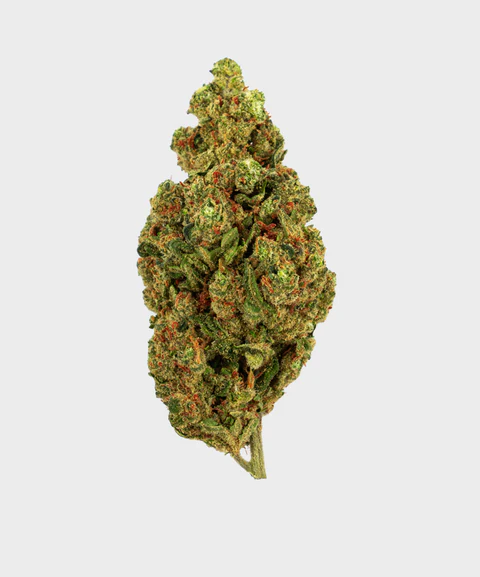
Weed in Denpasar: Laws, Culture, Risks, and What Visitors Should Know
Denpasar, the capital city of Bali, sits at the crossroads of tradition and tourism. This contrast can confuse visitors who arrive with assumptions shaped by more liberal destinations. Understanding the reality of weed in Denpasar—its legal status, cultural attitudes, enforcement practices, and risks—is essential for anyone living in or traveling to the city.
Understanding the Legal Landscape
Cannabis is illegal in Indonesia, including Denpasar and the rest of Bali. Under national narcotics law, marijuana is classified as a Category I narcotic, the same category as drugs considered to have no accepted medical use and a high potential for abuse.
Penalties are severe. Even small amounts can result in lengthy prison sentences, heavy fines, or both. Larger quantities or involvement in distribution can lead to decades in prison or, in extreme trafficking cases, the death penalty.
Enforcement in Denpasar
Denpasar is not a sleepy backwater—it is an administrative hub with active policing. Law enforcement agencies regularly conduct random checks, surveillance operations, and coordinated raids. Airports, nightlife districts, and residential areas can all be subject to scrutiny. Bali’s popularity with tourists means authorities are especially alert to drug-related activity.
Claims that Bali is “lenient” because of its tourism reputation are misleading and dangerous. Arrests of foreigners for cannabis possession make local news regularly, often followed by public warnings from officials.
Cultural Attitudes Toward Cannabis
Beyond the law, cultural attitudes play a major role. In Bali, despite its unique Hindu culture within a predominantly Muslim nation, the broader national consensus against drugs remains strong.
Local communities generally do not view cannabis as harmless. This means that even discreet behavior can attract negative attention, and there is little social tolerance for marijuana use.
Cannabis and Tourism Myths
Many visitors arrive in Denpasar with assumptions shaped by destinations like Amsterdam, California, or Thailand. Bali’s beach clubs, yoga retreats, and nightlife can create the illusion of permissiveness. However, this is a myth.
Thailand’s partial cannabis liberalization has added to the confusion, but Indonesia has not followed this path. Crossing borders with cannabis—even accidentally—can lead to catastrophic legal consequences.
Medical Cannabis: Is There Any Exception?
Indonesia does not recognize medical marijuana in practice. Possession of cannabis for medical reasons is still illegal and punishable.
CBD products are also risky. Many items marketed as CBD may contain trace amounts of THC, which is enough to cause legal trouble. Importing, buying, or possessing such products in Denpasar can result in arrest.
Risks Beyond the Law
The dangers associated with weed in Denpasar go beyond legal penalties:
- Corruption risks: While corruption exists, relying on bribes is illegal and can worsen consequences.
Even being in the wrong place at the wrong time—such as a gathering where drugs are present—can lead to questioning or detention.
Life in Denpasar Without Weed
Many long-term residents and travelers adapt quickly by focusing on what Bali does offer legally. Denpasar is rich in culture, food, art, and spiritual life. Traditional ceremonies, beaches, surfing, wellness activities, and nature provide plenty of ways to relax without legal risk.
Alcohol is legal and widely available, though it comes with its own regulations and safety considerations. Many visitors find that Bali’s pace of life and environment offer a sense of calm without the need for substances.
Advice for Visitors and Expats
If you are in Denpasar or planning to visit:
- Do not possess or use cannabis in any form.
- Avoid conversations about buying drugs with strangers.
- Be cautious with personal belongings when traveling from other countries.
- Respect local laws and culture, even if they differ from your home country.
- Understand that ignorance of the law is not a defense.
FAQs About Weed in Denpasar
Is weed legal in Denpasar?
No. Cannabis is illegal throughout Indonesia, including Denpasar, for recreational and medical use.
What happens if you are caught with weed in Denpasar?
Penalties can include arrest, detention, prosecution, long prison sentences, and heavy fines—even for small amounts.
Is Bali more relaxed than the rest of Indonesia about cannabis?
No. Despite Bali’s tourism image, drug laws are strictly enforced, and many arrests involve tourists.
Can tourists get special treatment or lighter punishment?
No. Foreigners are subject to the same laws and often face highly publicized cases as a deterrent.
Is medical marijuana allowed in Denpasar?
No. Medical cannabis is not legally recognized, and possession for medical reasons is still illegal.
Are CBD products legal in Bali?
CBD products are risky and often illegal, especially if they contain any THC. Many travelers have faced trouble over them.
Do police conduct random drug checks?
Yes. Random checks and targeted operations do occur, especially in tourist areas.
Is it safe to buy weed from locals or online sources in Denpasar?
No. This is illegal and often associated with scams, police stings, or serious legal consequences.
What should travelers do to stay safe?
Avoid drugs entirely, respect local laws, and focus on legal activities and experiences.
Conclusion
Weed in Denpasar exists mostly as a rumor fueled by tourism myths. The reality is clear: cannabis is illegal, socially frowned upon, and heavily punished. For anyone in Bali’s capital, the safest and smartest choice is to respect Indonesian law and enjoy Denpasar for its culture, beauty, and legal pleasures—without risking freedom or future over a prohibited substance.

Leave a Reply