
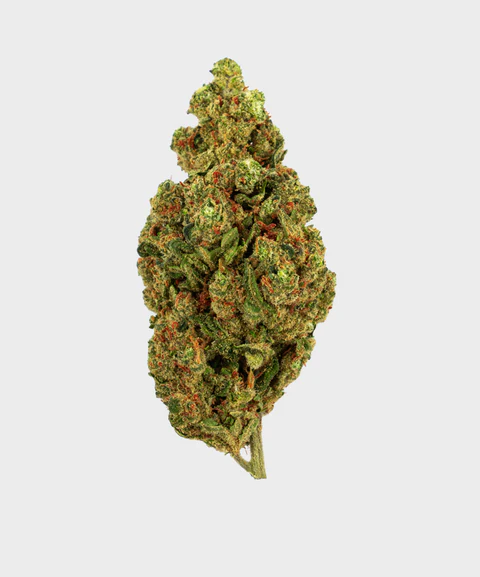
Weed in Girón: Law, Culture, and Everyday Reality
Girón, a historic municipality in Santander known for its preserved colonial architecture and calm pace of life, sits next to the growing metropolitan area of Bucaramanga. Like many Colombian towns, Girón has experienced changing attitudes toward cannabis over the past decade. Conversations around weed in Girón today blend questions of legality, culture, public health, and social norms. While the topic is sometimes controversial, it is no longer hidden, and many residents now discuss it openly within the limits of the law.
This article explores weed in Girón from a local, human perspective—covering legal boundaries, social attitudes, and what everyday life looks like in a town balancing tradition with modern realities.
Understanding the Legal Framework in Colombia
To understand weed in Girón, it’s essential to start with Colombia’s national laws. Cannabis is not fully legal for recreational sale, but personal consumption has been decriminalized for small amounts. Adults are allowed to possess a limited quantity for personal use, as long as it does not involve trafficking, sale, or distribution.
However, decriminalized does not mean unrestricted. Police have authority to confiscate cannabis if it is consumed in public spaces, especially near schools, parks, or areas where minors are present. Fines or administrative penalties can apply even when criminal charges do not.
In Girón, local enforcement tends to follow national norms. Authorities focus on maintaining public order rather than targeting private behavior. This means discretion and respect for public space play a significant role in how laws are applied.
Weed and Local Culture in Girón
Girón is known for its traditional values, religious festivities, and strong sense of community. Older generations often hold conservative views on drugs, including cannabis. For many of them, weed is still associated with social problems, insecurity, or moral decline.
Younger residents, however, often see cannabis differently. Influenced by broader cultural shifts, music, social media, and global conversations about legalization, many young adults consider weed comparable to alcohol when used responsibly. This generational contrast shapes most cannabis-related discussions in town.
Despite these differences, open conflict is rare. Girón’s culture emphasizes coexistence, and most people prefer tolerance over confrontation, as long as behavior does not disrupt public peace.
Public vs. Private Spaces
One of the most important aspects of weed in Girón is the distinction between private and public use. Cannabis consumption in private spaces—such as one’s own home—tends to attract little attention as long as it does not cause disturbances.
Public consumption, on the other hand, is generally discouraged. Girón’s historic center, with its cobblestone streets and family-oriented atmosphere, is not a place where cannabis use is socially accepted. People are mindful of tourists, elderly residents, and children.
Local authorities regularly emphasize respect for shared spaces. Even individuals who support cannabis reform often agree that discretion is necessary to maintain community harmony.
Social Perception and Stigma
Although attitudes have softened, stigma still exists. Some residents associate weed with unemployment, lack of motivation, or delinquency. Others see it as a harmless personal choice that should not define someone’s character.
This mixed perception means that many cannabis users in Girón keep their habits private. Open advocacy for recreational cannabis use is rare, while discussions around medical or therapeutic cannabis receive more understanding and acceptance.
Medical cannabis, particularly products derived from CBD, is often viewed as legitimate and helpful for certain conditions. This has helped shift the conversation from moral judgment to health and regulation.
Medical Cannabis and Awareness
Colombia is a global leader in legal medical cannabis production, and that has influenced local thinking, even in smaller towns like Girón. While not all residents fully understand the difference between recreational and medical use, awareness is growing.
People are increasingly familiar with cannabis-based treatments for pain management, epilepsy, anxiety, and sleep disorders. This medical framing has reduced fear and misinformation, especially among middle-aged and older adults.
Still, access to medical cannabis requires proper authorization, and self-medication remains a concern. Local healthcare professionals often stress the importance of guidance and responsible use.
Youth, Education, and Prevention
Like many communities, Girón faces the challenge of educating young people about substance use without relying on fear-based narratives. Schools and community organizations focus on prevention, informed decision-making, and mental health.
Rather than demonizing weed, educators increasingly emphasize understanding risks, legal consequences, and long-term effects. The goal is not punishment, but awareness and responsibility.
Families also play a key role. Conversations at home often reflect broader cultural shifts, with some parents choosing open dialogue over strict prohibition.
Policing and Community Balance
Law enforcement in Girón generally aims to balance legal compliance with community peace. Police interventions related to cannabis are more likely to focus on public consumption, disorderly conduct, or suspected distribution.
Residents often report that respectful behavior and cooperation go a long way. Conflicts usually arise when weed use intersects with noise complaints, public intoxication, or vandalism—issues that would draw attention regardless of the substance involved.
This approach reflects Girón’s broader philosophy: maintaining order while avoiding unnecessary confrontation.
The Future of Weed in Girón
As national conversations around cannabis reform continue, Girón will likely keep adapting. Full recreational legalization remains a debated topic in Colombia, but gradual normalization appears inevitable.
If laws change, Girón’s response will likely be cautious and community-focused. Public opinion suggests that any future acceptance will emphasize regulation, education, and respect for local traditions.
In the meantime, cannabis in Girón exists in a quiet, regulated space—neither fully accepted nor aggressively rejected.
FAQs About Weed in Girón
Is weed legal in Girón?
Weed is decriminalized for personal use in limited quantities across Colombia, including Girón. However, selling or distributing it remains illegal.
Can I smoke weed in public places in Girón?
Public consumption is generally not allowed and can result in confiscation or fines, especially near schools, parks, or family areas.
Is weed socially accepted in Girón?
Acceptance varies. Younger generations tend to be more open, while older residents often hold conservative views. Discretion is important.
What about medical cannabis?
Medical cannabis is legal in Colombia under regulation. It is generally more accepted than recreational use, especially for health-related purposes.
Do police actively target cannabis users?
Police usually focus on maintaining public order. Private, non-disruptive behavior attracts less attention than public use or suspected distribution.
Is stigma around weed still strong?
Stigma exists but is slowly decreasing. Education and medical use have helped shift perceptions.
Will cannabis laws change in the future?
Possible, but uncertain. Any changes are likely to be gradual and regulated, with community concerns taken into account.
Weed in Girón reflects a town in transition—rooted in tradition yet influenced by broader social change. Understanding the legal boundaries, respecting public spaces, and engaging in open, informed dialogue are key to how cannabis fits into everyday life in this historic Colombian municipality.

Leave a Reply