
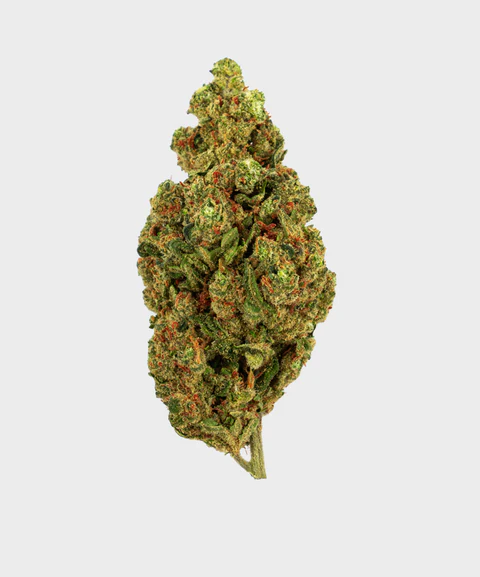
Weed in Huancayo: Culture, Law, and Social Reality
Huancayo, the vibrant capital of Peru’s Junín region, sits high in the Mantaro Valley and blends Andean tradition with modern urban life. Known for its markets, universities, and strong regional identity, Huancayo has a social rhythm that reflects both conservative values and youthful energy. Within this mix, cannabis—commonly referred to as weed—exists quietly on the margins, shaped by national law, local attitudes, and broader social change.
This article explores the reality of weed in Huancayo from a cultural, legal, and social perspective, focusing on awareness rather than promotion.
Legal Status of Weed in Peru
Peru has a strict legal framework when it comes to recreational cannabis. Under national law, cannabis is illegal for sale, cultivation, and distribution. However, Peruvian legislation allows adults to possess small quantities strictly for personal use, as long as no intent to sell or distribute can be inferred. This legal gray area often causes confusion, particularly outside major cities.
Medical cannabis, on the other hand, has been legal since 2017 under a regulated system. Registered patients can legally access cannabis-derived medicines through approved channels, mainly in larger urban centers. In Huancayo, access to medical cannabis is limited and typically involves coordination with healthcare providers in Lima or other major cities.
It is important to note that local enforcement practices vary, and misunderstandings with authorities can still occur, even when possession falls within legal limits.
Cannabis Culture in Huancayo
Huancayo does not have an open or visible cannabis culture. Compared to Lima or Cusco, public discussion or social acceptance of weed is relatively subdued. The city maintains strong traditional and family-oriented values, which influences how substances like cannabis are perceived.
That said, cannabis use does exist, particularly among:
- University students
- Young professionals
- Creative communities
Use tends to be private and discreet, often within trusted social circles rather than public spaces. Open consumption is uncommon and socially discouraged.
Older generations in Huancayo generally associate weed with illegality or moral risk, while younger residents may view it through a more globalized lens, influenced by international media and evolving attitudes abroad.
Social Attitudes and Stigma
Despite gradual shifts in perception worldwide, cannabis still carries social stigma in Huancayo. Many residents equate it with harder drugs or criminal behavior, even though scientific understanding has become more nuanced.
This stigma affects:
- Willingness to discuss cannabis openly
- Access to accurate information
- Medical patients seeking treatment
As a result, conversations around weed often happen quietly or online rather than in public forums or mainstream media.
Availability and Risks
Because recreational cannabis remains illegal to sell, availability in Huancayo exists through informal and unregulated channels. This presents significant risks, including:
- Uncertain product quality
- Potential contamination
- Legal consequences
These factors make consumption riskier compared to regulated medical products.
Penalties can escalate quickly if authorities believe there is intent to sell.
Medical Cannabis Perspective
Medical cannabis is slowly gaining acceptance in Peru, especially for conditions such as chronic pain, epilepsy, and certain neurological disorders. However, in Huancayo, awareness remains limited.
Patients often face obstacles such as:
- Lack of local specialists
- Limited pharmacies offering approved products
- Social hesitation about cannabis-based medicine
Public Health and Harm Awareness
Public health discussions in Huancayo increasingly focus on education rather than punishment, especially among youth. Cannabis is often discussed alongside alcohol and tobacco as part of broader substance awareness efforts.
Health professionals emphasize:
- Mental health considerations
- Risks for adolescents and young adults
- Potential for dependency with frequent use
Tourism and Cannabis
Huancayo is not a cannabis tourism destination.
Tourists who ignore local norms risk legal trouble or social conflict, making discretion and cultural sensitivity essential.
The Future of Cannabis in Huancayo
The future of cannabis in Huancayo largely depends on national policy changes and broader cultural shifts within Peru. As medical cannabis becomes more normalized and global perspectives evolve, local attitudes may soften over time.
However, any change is likely to be gradual rather than sudden, shaped by public debate, healthcare needs, and generational change.
For now, cannabis in Huancayo remains a quiet, regulated, and often misunderstood presence, existing between legality, tradition, and modern influence.
Frequently Asked Questions (FAQs)
Is weed legal in Huancayo?
Cannabis is illegal to sell or distribute in Huancayo. Small amounts for personal use are decriminalized under Peruvian law, but enforcement can vary.
Can I buy weed legally in Huancayo?
No. There are no legal recreational cannabis shops. Medical cannabis is available only through authorized channels and with proper registration.
Is medical cannabis available in Huancayo?
Medical cannabis is legal in Peru, but access in Huancayo is limited. Patients often rely on providers or pharmacies in larger cities.
Is cannabis socially accepted in Huancayo?
Cannabis use is generally discreet and not openly accepted. Social stigma remains strong, especially among older generations.
Are tourists treated differently under cannabis laws?
No. Tourists are subject to the same laws as residents. Ignorance of the law is not considered a valid excuse.
Can cannabis cause legal problems even in small amounts?
Yes. While small amounts may be decriminalized, misunderstandings or perceived intent to distribute can still result in legal complications.
Is Huancayo becoming more open to cannabis?
Attitudes are slowly changing, particularly among younger people, but Huancayo remains more conservative compared to larger Peruvian cities.
Disclaimer: This article is for informational purposes only and does not encourage illegal activity. Always respect local laws and cultural norms.

Leave a Reply