
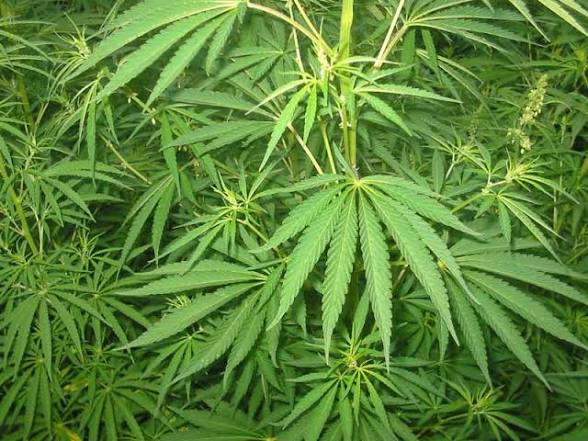
Weed in Natal: Culture, Law, and Local Reality
Natal, the capital of Rio Grande do Norte, is famous for its dunes, beaches, warm weather, and laid-back coastal lifestyle. Like many Brazilian cities, it also sits at the intersection of changing attitudes toward cannabis and a legal framework that remains strict. Understanding weed in Natal requires looking at Brazilian law, local culture, social realities, and the risks involved for residents and visitors alike.
The Legal Status of Weed in Brazil
Cannabis remains illegal for recreational use throughout Brazil, including Natal. Possession, cultivation, sale, and trafficking are all prohibited under national law. However, Brazilian legislation does not define a clear quantity that separates personal use from trafficking. This ambiguity means enforcement can vary widely depending on the situation, the amount involved, and the interpretation of authorities.
In practice, individuals found with small amounts may face non-criminal penalties such as warnings, community service, or mandatory educational programs. Still, the lack of a clear threshold creates uncertainty, and outcomes can differ from case to case. Larger quantities or evidence of distribution can result in serious criminal charges, including imprisonment.
Medical cannabis occupies a different space. Brazil allows regulated medical use of cannabis-based products, typically through authorization and prescription. These products are usually imported and tightly controlled, making access possible but limited.
Cannabis Culture in Natal
Natal has a relaxed, beach-oriented vibe, which can give outsiders the impression of tolerance toward cannabis. Among certain social groups—particularly younger adults, artists, surfers, and musicians—weed is sometimes seen as part of a broader lifestyle associated with creativity and relaxation. This cultural acceptance, however, exists quietly and informally.
Unlike cities with more visible cannabis activism, Natal’s weed culture tends to stay discreet. Public consumption is risky and uncommon, especially in tourist areas or busy neighborhoods. Social use usually happens in private spaces, among trusted friends, rather than openly.
Weed and Tourism
Natal attracts both Brazilian and international tourists seeking sunshine and beaches. Some visitors may assume that beach destinations are lenient when it comes to cannabis, but this assumption can be misleading. Law enforcement in tourist zones is present, and public consumption can lead to serious trouble.
Tourists are often more vulnerable because they may not fully understand local laws or social norms. Being unfamiliar with Portuguese or Brazilian legal procedures can further complicate matters if problems arise. As a result, many visitors choose to avoid cannabis altogether during their stay.
Law Enforcement and Risk
Policing practices in Natal, as in much of Brazil, can vary depending on location, timing, and context. While small-scale personal use might not always result in arrest, there is no guarantee of leniency. Factors such as where someone is stopped, how they behave, and the discretion of the officer involved can all influence outcomes.
It is also important to note that Brazil’s drug laws have historically affected marginalized communities more harshly. Enforcement disparities are a serious social issue, and penalties can be far more severe for some groups than others.
Health and Social Considerations
Cannabis use carries potential risks, especially when consumed without accurate information or regulation. Unregulated cannabis may vary widely in strength and quality. Users may not know what they are consuming, increasing the risk of negative effects such as anxiety, paranoia, or impaired judgment.
Mental health considerations are also important. Cannabis can exacerbate existing anxiety disorders or trigger symptoms in individuals predisposed to certain mental health conditions. From a public health perspective, responsible discussion emphasizes awareness, moderation, and informed decision-making rather than normalization of risky behavior.
Medical Cannabis in Rio Grande do Norte
Medical cannabis is a growing topic across Brazil, including in Rio Grande do Norte. Patients with specific conditions may access cannabis-based treatments under medical supervision, usually through imported products approved by health authorities.
This system highlights a contrast in Brazilian cannabis policy: while recreational use remains illegal, medical use is increasingly accepted within a controlled framework. The expansion of medical cannabis discussions has also influenced public opinion, slowly shifting how cannabis is perceived in society.
Public Attitudes and Future Outlook
Public opinion about weed in Natal mirrors broader trends in Brazil. Younger generations tend to be more open to reform, while older populations often favor stricter enforcement. Discussions about decriminalization, clearer possession limits, and broader medical access continue at the national level.
While change is possible in the future, current laws remain in force. Anyone living in or visiting Natal should base decisions on the present legal reality rather than assumptions about tolerance or cultural openness.
Practical Awareness
Understanding weed in Natal is less about finding it and more about understanding the risks and context. Discretion is common because consequences can be significant. Education, awareness, and respect for local laws are essential for avoiding serious legal trouble.
FAQs About Weed in Natal
Is weed legal in Natal?
No. Recreational cannabis is illegal in Natal and throughout Brazil.
Can you go to jail for weed in Natal?
Yes, depending on the circumstances. Small amounts may lead to non-criminal penalties, but larger quantities or suspicion of trafficking can result in imprisonment.
Is medical marijuana allowed in Natal?
Yes, under strict regulations. Medical cannabis products are typically prescribed and authorized, often through importation.
Is weed easy to find in Natal?
Availability exists but is informal and risky. There are no legal or regulated sources, and attempting to find weed can expose individuals to legal and personal danger.
Do tourists get treated differently by police?
Tourists are not exempt from the law and may face additional challenges due to language barriers and unfamiliarity with the legal system.
Is public smoking common in Natal?
No. Public use is uncommon and risky, especially in tourist areas and busy neighborhoods.
Are attitudes toward weed changing in Natal?
Slowly. Public discussion about medical cannabis and drug law reform is growing, but laws have not significantly changed yet.
What is the safest legal approach regarding weed in Natal?
The safest approach is to avoid cannabis use entirely while in Natal and respect local laws.

Leave a Reply