Weed in Pucallpa: Laws, Culture, and Local Realities
Pucallpa, the capital of the Ucayali region in eastern Peru, sits at the edge of the Amazon Basin. Known for its humid climate, river trade, Indigenous heritage, and connection to the rainforest, the city has a distinct social fabric that shapes attitudes toward many issues—including cannabis, commonly referred to as weed or marijuana. Understanding weed in Pucallpa requires looking at Peru’s national laws, the region’s cultural context, and the everyday realities faced by residents and visitors alike.
The Legal Status of Weed in Peru
Peru has a strict but nuanced legal framework when it comes to cannabis. Recreational marijuana is illegal nationwide, including in Pucallpa. Possession, sale, cultivation, and distribution can all result in legal consequences.
That said, Peruvian law does allow limited possession for personal use, as long as the quantity does not exceed a defined threshold and there is no evidence of intent to sell. Even within this limit, enforcement can be inconsistent, and individuals may still face questioning, confiscation, or administrative issues.
Medical cannabis, on the other hand, is legal but regulated. Patients with approved prescriptions can access cannabis-based medicines through authorized channels. This medical framework exists at the national level, but in cities like Pucallpa, access and awareness are more limited compared to larger urban centers such as Lima.
Enforcement and Policing in Pucallpa
Pucallpa’s law enforcement approach reflects both national policy and local realities. While large-scale trafficking is a clear priority for authorities—especially given the region’s proximity to jungle routes—small-scale possession cases are often handled with discretion.
However, discretion does not mean immunity. Police checks can occur, and interactions may involve confiscation or further investigation. Foreigners and travelers should be especially cautious, as misunderstandings about local law can escalate quickly. In Pucallpa, where tourism is less formalized than in Cusco or Lima, legal protections may feel less predictable.
Cultural Attitudes Toward Cannabis
Cultural views on weed in Pucallpa are generally conservative. The city has strong family structures, traditional values, and a visible influence of religious and community norms. For many residents, marijuana is still associated with delinquency, laziness, or social instability.
At the same time, younger generations and certain artistic or alternative circles are more open to discussion around cannabis. These views are often influenced by global media, internet culture, and conversations about legalization in other countries. Still, open advocacy for weed is rare, and public consumption is widely frowned upon.
Indigenous and Amazonian Context
It’s important to distinguish cannabis from traditional Amazonian plants used by Indigenous communities. In the Ucayali region, ancestral knowledge revolves around medicinal herbs and spiritual practices that are culturally and legally distinct from marijuana.
Cannabis is not a traditional Amazonian plant, and it does not hold the same cultural or ceremonial role as other native botanicals. For this reason, weed does not benefit from cultural protection or acceptance in Indigenous contexts around Pucallpa.
Availability and Urban Myths
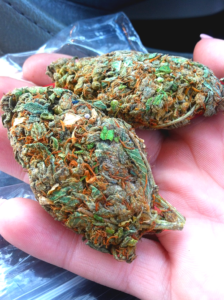
Despite its illegal status, weed does exist in Pucallpa, as it does in most cities. However, availability is inconsistent, and quality varies widely. The lack of regulation means products are untested and unreliable, which raises health and safety concerns.
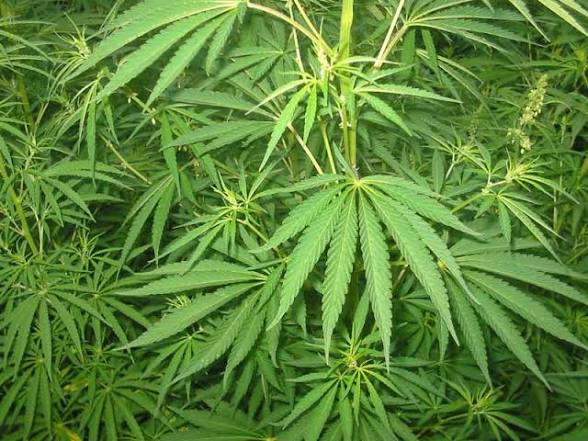
There are also many myths surrounding cannabis in jungle regions—such as assumptions that it is freely grown or widely accepted because of the rainforest setting. In reality, cannabis cultivation is illegal, and the environment does not automatically translate into tolerance or abundance.
Health and Safety Considerations
Because marijuana is illegal and unregulated, users face several risks beyond legal trouble. These include contamination, unknown potency, and mental health impacts—especially in a hot, humid environment where dehydration and heat stress are common.
Additionally, social risks matter.
Tourism and Cannabis in Pucallpa
Pucallpa is not a major international tourist hub, and visitors are generally expected to respect local customs. Unlike some global destinations with a relaxed cannabis image, Pucallpa offers no legal or cultural safety net for weed use.
The Future of Cannabis Policy
At the national level, discussions around cannabis in Peru remain cautious. While medical use has gained acceptance, recreational legalization is not currently a political priority. In regions like Ucayali, where economic development and public security are key concerns, cannabis reform is unlikely to advance quickly.
That said, conversations are evolving slowly. Increased education, global policy shifts, and medical research may influence future reforms—but any change will likely come gradually and under strict regulation.
Living Responsibly in Pucallpa
For residents, expats, or long-term visitors, the safest approach is to respect local law and culture. Pucallpa offers rich experiences through its rivers, markets, music, and cuisine—none of which require involvement with illegal substances.
Understanding the realities of weed in Pucallpa helps avoid unnecessary risk and promotes respectful engagement with the community.
FAQs: Weed in Pucallpa
Is weed legal in Pucallpa?
No. Recreational cannabis is illegal in Pucallpa and throughout Peru.
Can you possess small amounts of marijuana legally?
Peruvian law allows limited possession for personal use, but enforcement varies, and possession can still lead to police interaction or confiscation.
Is medical marijuana available in Pucallpa?
Medical cannabis is legal in Peru with authorization, but access in Pucallpa is limited compared to major cities.
Are police strict about weed in Pucallpa?
Authorities focus more on trafficking, but possession can still result in legal trouble. Caution is advised.
Is cannabis culturally accepted in Pucallpa?
Generally no. The city holds conservative social values, and weed use is often stigmatized.
Do Indigenous traditions in the region include marijuana?
No. Cannabis is not a traditional Amazonian plant and is separate from Indigenous medicinal practices.
Is it safe for tourists to use weed in Pucallpa?
No. Legal risks, social stigma, and lack of regulation make cannabis use unsafe for visitors.
Will cannabis laws change soon in Peru?
There are no immediate signs of recreational legalization. Any change is likely to be slow and tightly regulated.
If you want, I can write similar articles for other Amazonian or Peruvian cities in the same tone and format.

Leave a Reply