
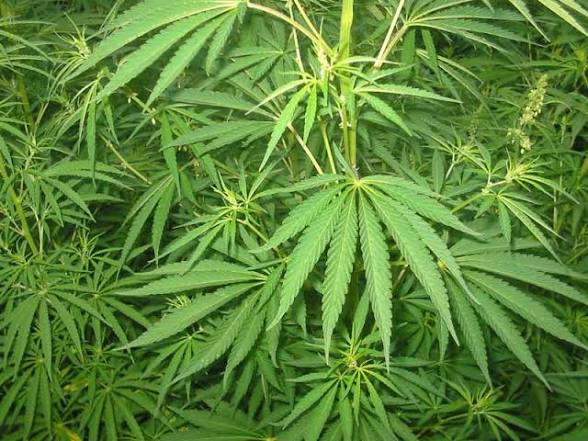
Weed in Virginia: Laws, Culture, Access, and What to Expect
Cannabis, commonly known as weed or marijuana, has gone through significant changes in Virginia over the past few years. Once treated strictly as an illegal substance, weed is now part of an evolving legal and cultural landscape across the state. From legal possession rules to medical programs and everyday attitudes, Virginia offers a unique case study of how cannabis reform can move forward while still facing practical challenges.
This article explores the current status of weed in Virginia, how people access it, what the laws allow and restrict, and how cannabis fits into daily life across the Commonwealth.
Legal Status of Weed in Virginia
Virginia made history by legalizing adult possession of marijuana. This shift marked a major change in state policy and reduced many penalties that once affected thousands of residents.
However, legalization in Virginia is partial rather than fully commercial.This creates a legal gray area where weed is legal to have but difficult to purchase legally unless you qualify through specific programs.
What Is Legal
- Adults 21 and over can possess a limited amount of cannabis
- Medical cannabis is legal through the state’s medical program
What Is Still Illegal
- Selling weed without authorization
- Large-scale possession beyond legal limits
- Public consumption in many locations
- Driving under the influence of cannabis
Medical Marijuana in Virginia
Virginia has a regulated medical cannabis program designed to serve patients with qualifying medical needs. Over time, the program has expanded and now includes a broader range of conditions than it originally did.
Medical cannabis products available in Virginia include:
- Flower (in limited situations)
- Oils and tinctures
- Capsules
- Edibles
- Vape products
For many patients, medical marijuana provides relief from chronic pain, anxiety, sleep disorders, and other ongoing health concerns.
Recreational Weed: Legal but Limited
Recreational weed in Virginia occupies a unique position. This means there are no widespread, state-licensed recreational dispensaries comparable to those in fully legalized states.
As a result, many adults rely on:
- Home cultivation
- Medical dispensaries (if registered)
This system can feel confusing, especially for visitors or new residents. Enforcement focuses more on illegal sales and large-scale distribution rather than personal possession.
Home Growing in Virginia
One of the most notable aspects of Virginia’s cannabis law is the allowance for home cultivation.
Key points about home growing include:
- Growing must take place at a private residence
- Plants must not be visible from public spaces
- Each household has a cap on total plant numbers
Home growing has become popular among cannabis enthusiasts who want more control over strain choice, quality, and cost.
Cannabis Culture in Virginia
Cannabis culture in Virginia is quieter and more reserved compared to states with long-established legal markets. Many people use weed discreetly, and public consumption is generally frowned upon.
That said, attitudes are changing. Younger adults tend to be more open about cannabis, while older generations may still approach it cautiously. In college towns and urban areas, acceptance is noticeably higher.
Events, wellness conversations, and creative industries have increasingly incorporated cannabis into broader lifestyle discussions, especially around relaxation, mental health, and alternative medicine.
Law Enforcement and Penalties
Although weed laws have relaxed, enforcement still exists, particularly around misuse. Possession beyond legal limits, unlicensed sales, or impaired driving can still result in fines or criminal charges.
Driving under the influence of cannabis is treated seriously. Even though weed is legal, operating a vehicle while impaired can lead to DUI charges similar to alcohol-related offenses.
Staying informed and responsible is essential for anyone using cannabis in Virginia.
Challenges Facing Cannabis in Virginia
Virginia’s cannabis framework is still evolving, and several challenges remain:
- Lack of fully legal recreational sales
- Confusion around gifting versus selling
- Unequal enforcement in some communities
- Ongoing political debates about future cannabis laws
Many residents support expanded legalization with clear regulations, while others argue for a slower approach. The state continues to adjust its policies, and future changes are likely.
The Future of Weed in Virginia
The future of cannabis in Virginia looks active but uncertain. Lawmakers continue to debate expanding recreational sales, creating a regulated retail market, and addressing social equity concerns.
If full legalization occurs, Virginia could see:
- Licensed recreational dispensaries
- New business and job opportunities
- Increased tax revenue
- Clearer consumer protections
Until then, weed in Virginia remains legal to possess but cautiously controlled in practice.
FAQs About Weed in Virginia
Is weed legal in Virginia?
Yes. Adults 21 and older can legally possess small amounts of marijuana for personal use.
Can I buy recreational weed in Virginia?
Recreational possession is legal, but commercial retail sales are not fully available statewide.
Is medical marijuana legal in Virginia?
Yes. Medical cannabis is legal through state-licensed dispensaries for registered patients.
Can I grow my own weed in Virginia?
Yes. Adults may grow a limited number of plants per household, following specific rules.
Is public smoking allowed?
Public consumption is restricted, and many localities prohibit smoking weed in public spaces.
Can tourists legally use weed in Virginia?
Tourists who are 21 or older can legally possess cannabis, but purchasing options are limited without medical authorization.
Is driving after using weed legal?
No. Driving while impaired by cannabis is illegal and can lead to serious penalties.
Conclusion
Weed in Virginia exists in a transitional phase. Legal possession and home growing reflect a more progressive approach, while limited sales options show that the state is still cautious about fully opening the cannabis market.

Leave a Reply