
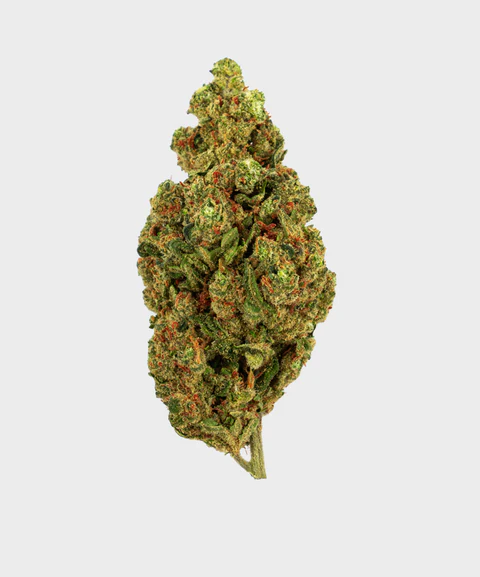
Weed in Manaus: Laws, Culture, and Local Realities
Manaus, the capital of Amazonas state, sits at the heart of the Brazilian Amazon. Known for its lush rainforest, river culture, and unique blend of Indigenous, Portuguese, and modern Brazilian influences, Manaus has its own rhythm and social norms. Like many major Brazilian cities, conversations around cannabis—commonly called maconha—exist quietly in the background. However, understanding weed in Manaus requires awareness of Brazil’s national laws, local attitudes, and the particular challenges of the region.
This article explores the legal status of weed in Manaus, cultural perceptions, enforcement realities, and what residents and visitors should realistically expect.
Legal Status of Weed in Manaus
- Warnings from authorities
- Mandatory educational or community service programs
- Fines or court appearances
The law does not clearly define what qualifies as “personal use,” which leaves room for interpretation by law enforcement. This lack of clarity can lead to inconsistent outcomes depending on circumstances, location, and officer discretion.
How Strict Is Enforcement in Manaus?
Manaus presents a complex enforcement environment. As a large city surrounded by dense rainforest and intersected by river routes, it has long faced challenges related to illegal trade. As a result, law enforcement tends to take drug-related issues seriously.
That said, enforcement often depends on:
- Quantity of cannabis involved
- Whether there is evidence of intent to sell
- The individual’s behavior and cooperation
In public spaces, especially busy areas, festivals, or transportation hubs, police presence can be noticeable. While small-scale personal possession may not result in arrest, interactions with law enforcement can still be stressful and time-consuming.
For visitors, it’s important to understand that being a tourist does not reduce legal risk.
Cultural Attitudes Toward Weed in Manaus
Cannabis use exists in Manaus, but it is generally discreet. Unlike some global cities where weed culture is visible and open, Manaus tends to treat it as a private matter.
Indigenous and riverine communities around Manaus typically have their own traditional plant medicines, but cannabis is not a central part of those cultural practices.
Weed and Public Spaces
Using weed in public places in Manaus is risky. Smoking in parks, streets, near bars, or at events can draw attention and potentially lead to police intervention.
Public spaces where caution is especially important include:
- Downtown areas
- River ports and ferries
- Public transportation
- Tourist attractions
Private spaces are not immune to legal consequences, but public visibility significantly increases risk.
Medical Cannabis in Brazil and Manaus
Brazil has made limited progress regarding medical cannabis, but access remains tightly regulated.
Some patients are legally permitted to use cannabis-based products for specific medical conditions, such as epilepsy or chronic pain. However:
- Products must be approved or authorized
- Prescriptions are required
- Most medical cannabis is imported
- Costs can be high
In Manaus, access is more limited than in southern Brazilian cities due to geography and healthcare infrastructure. Recreational use is not covered under medical allowances.
Social and Health Considerations
Beyond legal issues, cannabis use in Manaus raises broader social and health concerns.
The Amazon region faces challenges related to public health access, education, and economic inequality. Drug-related enforcement sometimes disproportionately affects lower-income communities. This has fueled ongoing debates in Brazil about reform, decriminalization, and social justice.
From a health perspective, cannabis affects individuals differently. Climate, lifestyle, and mental health factors can influence how people respond to it. Public health messaging in Manaus remains cautious, focusing on prevention rather than normalization.
Risks for Tourists and Newcomers
Visitors to Manaus often come for ecotourism, business, or cultural exploration. While curiosity about local cannabis culture may arise, the risks are significant.
Key points to remember:
- Weed is illegal regardless of nationality
- Language barriers can complicate legal situations
- Legal processes may be unfamiliar and slow
- Penalties can disrupt travel plans
For tourists, avoiding cannabis entirely is the safest choice.
Future Outlook
Brazil continues to debate drug policy reform, including clearer definitions for personal possession and expanded medical access. However, meaningful change tends to move slowly.
In Manaus, any future shifts will likely follow national reforms rather than local initiatives. Until then, weed remains illegal, socially sensitive, and legally risky.
FAQs About Weed in Manaus
Is weed legal in Manaus?
No. Weed is illegal in Manaus and throughout Brazil.
Can you go to jail for weed in Manaus?
For small amounts intended for personal use, jail time is unlikely, but penalties still apply. Trafficking or cultivation can lead to long prison sentences.
Is public smoking allowed?
No. Smoking weed in public is illegal and can attract police attention.
How do locals view cannabis?
Most people view cannabis cautiously. Use is generally private and discreet, not openly accepted.
Is medical marijuana available in Manaus?
Limited medical cannabis access exists under strict regulations, mainly through prescriptions and imported products.
Are tourists treated differently under the law?
No. Tourists are subject to the same laws and penalties as Brazilian citizens.
Is Manaus stricter than other Brazilian cities?
Enforcement can feel stricter due to regional security concerns and drug trafficking routes.
Will Brazil legalize weed soon?
There are ongoing debates, but no nationwide legalization has occurred yet.
Conclusion
Weed in Manaus exists within a complex web of strict laws, cultural caution, and regional realities. While cannabis use does occur privately, it remains illegal and socially sensitive. For residents, discretion is the norm; for visitors, avoidance is the safest approach.
Understanding the legal and cultural landscape of Manaus is essential for anyone living in or visiting this unique Amazonian city.

Leave a Reply