
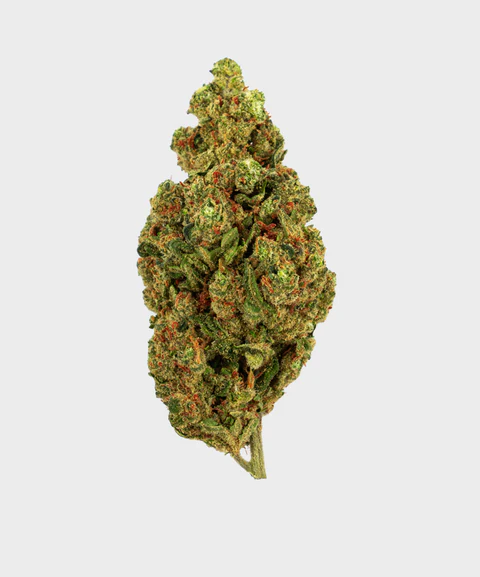
Weed in Sorocaba: Culture, Law, and Local Perspectives
Sorocaba, one of the largest cities in the interior of São Paulo state, is known for its strong industrial base, growing tech sector, and expanding urban population. Alongside its economic growth, conversations around cannabis—commonly referred to as weed—have become more visible in everyday discussions, especially among younger residents, students, and those following national policy debates. While cannabis remains illegal for recreational use in Brazil, its presence in Sorocaba reflects broader social, cultural, and legal dynamics seen across the country.
This article explores how weed fits into Sorocaba’s social landscape, the current legal framework, cultural attitudes, risks, and what residents should understand about cannabis use in the city.
Cannabis and Brazilian Law: The National Context
Brazil’s drug laws apply uniformly across all cities, including Sorocaba. Recreational cannabis is illegal under federal law, but possession for personal use is treated differently from trafficking. The law does not specify an exact amount that separates personal use from trafficking, leaving interpretation to police officers and judges.
In practice, this means that individuals found with small quantities may face non-criminal penalties such as warnings, community service, or educational measures. However, depending on circumstances such as quantity, packaging, or location, possession can still be treated as trafficking, which carries severe legal consequences.
Sorocaba follows these same laws, and enforcement can vary depending on the neighborhood and situation.
Weed Culture in Sorocaba
Cannabis use in Sorocaba exists mostly in private spaces rather than public ones. Like many cities in São Paulo state, the culture around weed tends to be discreet. Consumption is often associated with social gatherings, music scenes, creative circles, and university-aged residents.
Sorocaba’s younger population, especially students and professionals, is more open to discussing cannabis, often framing it in terms of personal freedom, mental health, or comparison with alcohol.
Unlike major capitals such as São Paulo city, Sorocaba has fewer visible public demonstrations or organized cannabis movements, though discussions continue online and in private forums.
Medical Cannabis and Growing Awareness
One area where cannabis has gained wider acceptance is medical use. Residents of Sorocaba who qualify for medical cannabis often go through legal channels involving medical prescriptions and regulatory approval.
This growing medical cannabis conversation has helped change perceptions, particularly among families dealing with chronic illnesses, epilepsy, or severe pain. While access can still be expensive and bureaucratic, medical cannabis has softened the stigma around the plant for many in Sorocaba.
Law Enforcement and Public Use
Public use of weed in Sorocaba is risky. Smoking or carrying cannabis in public places such as parks, streets, or near schools can attract police attention. Even if someone claims personal use, enforcement officers have discretion, and outcomes can vary.
Because Sorocaba is a well-policed city with a mix of residential and industrial areas, discretion is common among users. Many avoid carrying cannabis altogether or limit use to private spaces to reduce legal risks.
Tourists and visitors should be particularly cautious, as misunderstandings about local laws can lead to serious consequences.
Social Attitudes and Stigma
Social attitudes toward weed in Sorocaba are divided. Some residents see cannabis as no different from alcohol, while others associate it with crime or social problems. Older generations and more traditional communities often view weed negatively, whereas younger residents tend to be more tolerant.
Workplace drug testing, especially in industrial and logistics sectors common in Sorocaba, also contributes to caution. Even off-duty cannabis use can affect employment opportunities in certain fields.
Despite these concerns, open conversations about legalization, harm reduction, and drug policy reform are becoming more common, reflecting national trends.
Risks and Responsible Awareness
Cannabis use carries potential risks, especially when used irresponsibly or by vulnerable individuals. These risks may include impaired memory, reduced concentration, anxiety, or dependency. In a city like Sorocaba, where driving and commuting are part of daily life, impaired driving remains a serious concern.
Because cannabis is illegal, quality control is also an issue. Users have no guarantee of purity or strength, increasing health risks. Public health professionals in Brazil continue to emphasize education and harm reduction over punishment.
Understanding these risks is essential for anyone engaging in discussions or decisions related to cannabis.
The Future of Weed in Sorocaba
Sorocaba’s future relationship with cannabis will largely depend on national policy changes. Legal debates continue in Brazil’s courts and congress, especially regarding possession limits and personal use. Any shift at the federal level would directly affect Sorocaba.
If reforms occur, the city could see increased focus on education, regulation, and public health approaches rather than strict criminal enforcement.
FAQs About Weed in Sorocaba
Is weed legal in Sorocaba?
No. Recreational cannabis is illegal in Sorocaba, as it is throughout Brazil. Medical cannabis is permitted under strict regulations.
Can you go to jail for having weed in Sorocaba?
Possession for personal use typically does not result in jail time, but it can still lead to legal consequences. Trafficking charges carry severe penalties.
Is there a legal amount considered “personal use”?
Brazilian law does not define a specific amount. Police and judges decide based on context, quantity, and other factors.
Is it safe to smoke weed in public places?
No. Public use increases the risk of police intervention and legal problems.
How do people in Sorocaba generally view cannabis?
Opinions are mixed. Younger residents tend to be more open, while older and conservative groups often disapprove.
Is medical cannabis available in Sorocaba?
Yes, but only with a prescription and regulatory approval. Access can be complex and costly.
Can tourists use weed in Sorocaba?
Tourists are subject to the same laws as residents. Cannabis use or possession is not legally safe.
Are attitudes changing in Sorocaba?
Slowly, yes. National discussions about legalization and medical use are influencing local opinions.
Conclusion
Weed in Sorocaba exists within a complex blend of legal restriction, cultural caution, and evolving attitudes. While cannabis remains illegal for recreational use, conversations around it are becoming more nuanced, especially regarding medical applications and personal freedom. For now, discretion and awareness of the law are essential, and any future changes will depend on broader reforms at the national level.

Leave a Reply