
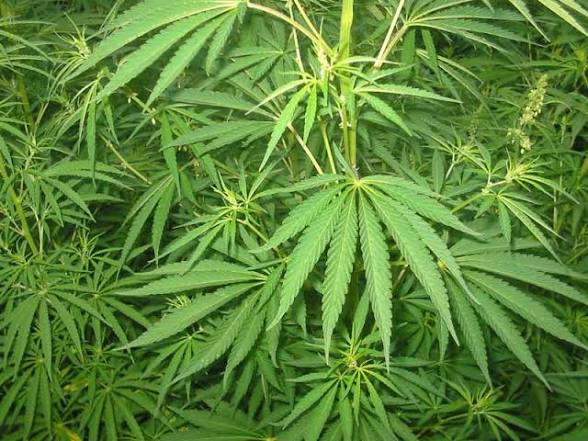
Weed in Chita: A Ground-Level Overview
Chita, the administrative center of Zabaykalsky Krai in eastern Siberia, sits at a crossroads of history, geography, and culture. Known for its harsh winters, military presence, and proximity to Mongolia and China, Chita is not typically associated with cannabis culture. Yet, like most cities across Russia, conversations about weed exist quietly beneath the surface. Understanding cannabis in Chita requires looking at legal realities, social attitudes, local risks, and how people actually talk about it in everyday life.
Legal Status of Cannabis in Chita
Cannabis is illegal throughout the Russian Federation, and Chita is no exception. Russian law classifies marijuana as a controlled narcotic substance. Possession, sale, cultivation, and distribution are all criminalized, with penalties depending on the amount involved.
Small amounts may be treated as an administrative offense, usually resulting in fines or short-term detention, but anything above legally defined thresholds can lead to criminal charges. These can include heavy fines, mandatory labor, or prison sentences. Law enforcement in Siberian regions like Zabaykalsky Krai tends to be strict, and the legal system leaves little room for leniency.
Medical cannabis is also not legally recognized in Russia. CBD products are only legal if they contain zero THC, and even then, they often exist in a legal gray area. In Chita, access to any cannabis-related product carries legal risk.
Local Attitudes Toward Weed
Social attitudes in Chita are generally conservative. The city has a strong military and industrial influence, and traditional values dominate public life. Alcohol remains the most socially accepted substance, while drugs—including weed—are often viewed negatively.
For many residents, cannabis is associated with criminality rather than lifestyle or wellness. Older generations, in particular, tend to equate weed with “hard drugs,” reflecting decades of government messaging and zero-tolerance policies. Open discussion about marijuana is rare, and public advocacy for legalization is virtually nonexistent.
Among younger people, especially students and those exposed to global culture through the internet, views can be more nuanced. Some see weed as less harmful than alcohol, but these opinions are usually kept private. In Chita, discretion is not just cultural—it’s a survival strategy.
Availability and Reality on the Ground
Despite strict laws, cannabis does exist in Chita, as it does in most cities. However, availability is inconsistent and risky. Unlike large metropolitan areas, Chita has a smaller population and fewer anonymous spaces, making underground activity easier to notice.
Reports often suggest that cannabis found in the region is of low to moderate quality. Harsh climate conditions limit local cultivation, and imported products are rare and expensive. Synthetic cannabinoids have also appeared in Siberian regions in the past, posing significant health risks due to their unpredictability.
Law enforcement regularly conducts anti-drug operations, and online surveillance has increased over the years. This makes any interaction involving weed especially dangerous, even by Russian standards.
Law Enforcement and Risks
Police scrutiny in Chita can be intense. Random checks, searches, and questioning are not uncommon, particularly around transportation hubs or nightlife areas. Foreigners and newcomers may face additional attention, especially if language barriers exist.
Drug-related charges can have long-lasting consequences beyond legal penalties. A conviction can affect employment, education, travel opportunities, and social standing.
It’s also important to note that Russian law does not distinguish between “soft” and “hard” drugs in the way some other countries do.
Weed vs. Alcohol Culture
Alcohol plays a significant role in social life in Chita. Vodka and beer are widely available and socially accepted, despite their well-known health risks.
Still, these narratives shape reality, and in Chita, alcohol is public while weed remains firmly underground.
Changing Conversations, Slowly
Globally, attitudes toward cannabis are shifting, but Russia has shown little interest in reform. In Chita, any change in perception is gradual and mostly limited to private conversations. Exposure to international media, travel, and online communities has introduced alternative views, but these rarely translate into public discussion.
For now, cannabis remains a topic discussed in whispers, if at all. Most residents prioritize safety and conformity over experimentation, especially given the region’s strict enforcement environment.
Health and Safety Considerations
Beyond legal risks, health concerns are also relevant. Unregulated cannabis carries unknown potency and contamination risks. In regions like Chita, where quality control is nonexistent, users may encounter products that are unsafe or mixed with other substances.
Synthetic alternatives, sometimes marketed deceptively, have caused serious health incidents across Russia. These substances are far more dangerous than natural cannabis and have been linked to hospitalizations and fatalities.
The Bottom Line
Weed in Chita exists in a challenging environment shaped by strict laws, conservative culture, and limited availability. While curiosity and private use may persist among certain groups, the risks—legal, social, and health-related—are significant.
Anyone seeking to understand cannabis in Chita should focus less on myths or assumptions and more on the realities of living in a tightly regulated Siberian city. For now, cannabis remains firmly on the margins of Chita’s public life.
FAQs About Weed in Chita
Is weed legal in Chita?
No. Cannabis is illegal in Chita and throughout Russia. Possession, sale, and cultivation can lead to fines or criminal charges.
Are attitudes toward weed changing in Chita?
Very slowly. Younger people may hold more relaxed views privately, but public attitudes remain largely negative.
Is law enforcement strict about cannabis in Chita?
Yes. Police enforcement is firm, and drug-related offenses are taken seriously.
Is cannabis common in Chita?
It exists, but availability is limited and inconsistent compared to larger cities.
Are CBD products legal in Chita?
Only products with zero THC are theoretically legal, but enforcement can be inconsistent, making them risky.
Is weed considered less harmful than alcohol in Chita?
Officially and culturally, no. Alcohol is socially accepted, while weed is stigmatized.
Can foreigners face problems related to weed in Chita?
Yes. Foreigners can face severe legal consequences, including detention and deportation.
Are synthetic cannabinoids an issue in the region?
Yes. Synthetic alternatives have appeared in Siberian regions and are particularly dangerous.
Is legalization likely in the near future?
There are no strong signs of cannabis legalization in Russia or in Chita anytime soon.

Leave a Reply