
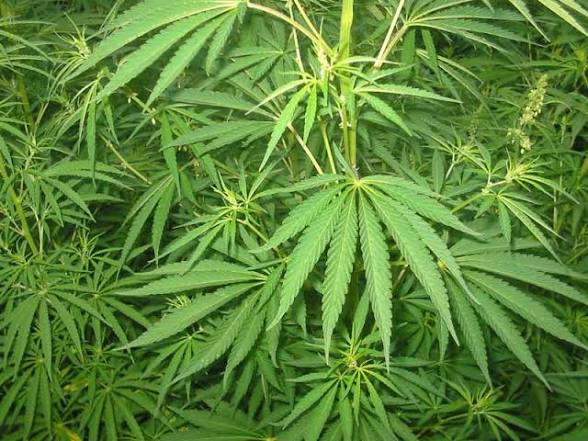
Weed in Tacna: Laws, Culture, and Local Perspectives
Tacna, Peru’s southernmost city, sits near the borders of Chile and Bolivia and is known for its dry climate, strong regional identity, and cross-border trade culture. While the city is often associated with history, gastronomy, and commerce, conversations around cannabis—commonly called weed or marijuana—also exist quietly within local communities. Like in the rest of Peru, weed in Tacna exists in a legal gray area shaped by strict laws, social attitudes, and evolving global discussions around cannabis.
This article explores weed in Tacna from a legal, cultural, and social perspective, helping readers understand how cannabis is viewed and regulated in this border city.
Legal Status of Weed in Tacna
Cannabis laws in Tacna are governed by Peruvian national legislation, meaning the rules are the same as in Lima, Cusco, or any other city in the country.
Possessing more than this amount can result in serious legal consequences, including arrest and prosecution.
Cannabis cultivation is illegal for recreational purposes. Patients must have a prescription and obtain cannabis products from authorized pharmacies or associations. In Tacna, availability of medical cannabis remains limited, and many patients still face bureaucratic hurdles.
Enforcement and Policing in Tacna
Tacna’s position near international borders makes law enforcement particularly vigilant. Authorities are sensitive to issues related to trafficking, including drugs crossing borders. As a result, cannabis enforcement in Tacna can sometimes feel stricter than in larger cities.
Police typically focus on dealers and traffickers rather than individual users. However, public consumption is risky and can attract attention. Even possession within legal limits may lead to questioning if officers suspect intent to sell or other illegal activity.
Tourists and visitors should be especially cautious, as foreign nationals may face additional scrutiny and misunderstandings regarding local laws.
Cannabis Culture in Tacna
Weed culture in Tacna exists, but it is quiet and low-profile.
Cannabis users are often younger adults, students, or people influenced by broader Latin American and international cultural trends. Conversations about weed usually happen in private homes or among trusted social circles rather than in public spaces.
Traditional values remain strong in Tacna, and many residents view cannabis use negatively, associating it with irresponsibility or criminal behavior. This social stigma encourages discretion among users.
Availability and Quality
Because cannabis is illegal to sell, there are no legal dispensaries in Tacna. Any marijuana available comes from the illicit market, which carries risks related to quality, safety, and legality.
Quality can vary widely depending on origin and handling. There is little consistency, and users often have limited information about strain type or potency.
Due to Tacna’s arid climate, local cultivation is not common, though it is not impossible. Most cannabis circulating in the city likely comes from other areas of Peru or neighboring regions.
Medical Cannabis in Tacna
Medical cannabis represents a growing but still limited sector. Patients suffering from conditions such as chronic pain, epilepsy, or cancer-related symptoms may qualify for medical cannabis under Peruvian law.
In practice, access in Tacna can be challenging. As a result, many patients must travel or rely on centralized systems to obtain medication.
Despite these challenges, awareness of medical cannabis is increasing, and public perception is slowly becoming more sympathetic toward its therapeutic use.
Social Attitudes and Public Opinion
Public opinion about weed in Tacna is mixed. Older generations tend to oppose cannabis use, seeing it as harmful or morally wrong. Younger generations are often more open-minded, influenced by global legalization movements and scientific discussions about cannabis.
However, even among supporters, most agree that weed should be used responsibly and privately. There is little appetite for open consumption or activism due to the city’s conservative social environment.
Media coverage of cannabis often focuses on police raids or trafficking arrests, reinforcing negative stereotypes and caution.
Risks and Considerations
Using weed in Tacna comes with several risks:
- Legal risk if possession exceeds legal limits
- Police attention, especially near borders or public areas
- Unregulated quality, which may pose health concerns
- Social stigma, which can affect personal and professional relationships
Because of these factors, many residents choose to avoid cannabis entirely or use it very discreetly.
The Future of Cannabis in Tacna
The future of weed in Tacna will largely depend on national policy changes in Peru. While there is growing discussion around expanding medical cannabis access, recreational legalization remains unlikely in the near future.
If medical infrastructure improves and public education increases, Tacna may see a gradual shift toward more informed and balanced attitudes. Until then, cannabis will likely remain a private matter rather than a visible part of city life.
FAQs About Weed in Tacna
Is weed legal in Tacna?
Weed is illegal in Tacna, but possession of up to 8 grams for personal use is decriminalized under Peruvian law.
Can I smoke weed in public in Tacna?
No. Public consumption can attract police attention and may result in fines or questioning.
Is medical marijuana available in Tacna?
Medical cannabis is legal in Peru, but access in Tacna is limited and requires a prescription.
Are tourists allowed to carry weed in Tacna?
Tourists are subject to the same laws as locals. Carrying weed can be risky, especially near borders.
Can I grow cannabis plants in Tacna?
No. Home cultivation is illegal unless specifically authorized for medical purposes.
Is weed culture visible in Tacna?
Cannabis culture exists but is discreet and mostly private due to legal and social pressures.
Are police strict about cannabis in Tacna?
Police prioritize trafficking but may still question or detain individuals suspected of illegal activity.
11 thoughts on “weed in Tacna”