
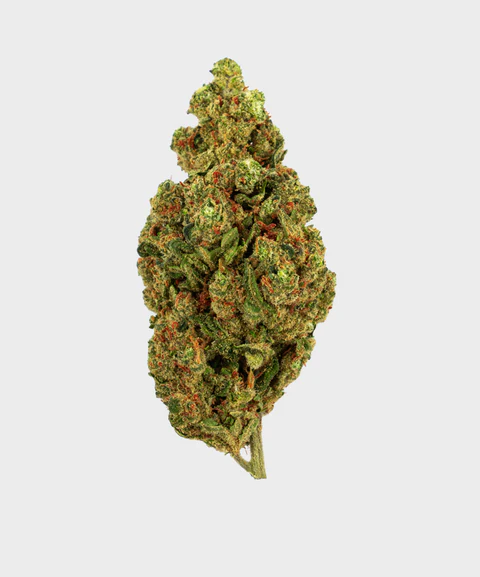
Weed in Amsterdam: Laws, Culture, and What Visitors Should Know
Amsterdam has long been associated with cannabis culture, drawing millions of curious visitors each year. From its iconic coffee shops to its famously tolerant attitude, the city is often seen as the global symbol of legal weed. However, the reality is more nuanced. Cannabis in Amsterdam is tolerated, not fully legal, and understanding how the system works is essential for both tourists and residents.
A Brief History of Cannabis in Amsterdam
The Netherlands adopted a pragmatic approach to drugs in the 1970s. Instead of harsh punishment, authorities chose to separate “soft drugs” like cannabis from “hard drugs” such as heroin and cocaine.
This approach led to the rise of licensed coffee shops where adults could buy and consume small amounts of cannabis under strict conditions. Over time, Amsterdam became internationally famous, even though cannabis technically remains illegal under Dutch law.
Is Weed Legal in Amsterdam?
Under this policy:
- Adults aged 18 and over can possess up to 5 grams of cannabis
- Public authorities generally do not prosecute small-scale possession
However, growing cannabis, supplying coffee shops, and possessing large quantities remain illegal.
Amsterdam Coffee Shops Explained
Despite the name, they are not cafés serving coffee (though many do).
Rules for coffee shops include:
- No alcohol sales
- No hard drugs
- No entry for minors
- No advertising
- Maximum of 5 grams sold per person per day
Some coffee shops allow smoking indoors, while others restrict it or require vaping. Tobacco smoking indoors is often prohibited.
Who Can Buy Weed in Amsterdam?
In Amsterdam, both residents and tourists can buy cannabis from coffee shops. While some Dutch cities restrict sales to locals only, Amsterdam continues to allow tourists due to its global tourism economy.
Where You Can and Cannot Smoke
While cannabis use is common, there are limits on where you can smoke.
Generally tolerated:
- Inside licensed coffee shops
- Private residences (with permission)
Restricted or discouraged:
- Near schools and playgrounds
- Public transport
- Some busy public areas in the city center
In recent years, Amsterdam has introduced stricter rules in crowded tourist zones to reduce nuisance and protect public order. Fines may apply for smoking in prohibited areas.
Weed and Amsterdam Culture
The city also emphasizes responsible use.
Quality and Types of Cannabis
- Indica, sativa, and hybrid strains
- Hashish from various regions
- Edibles such as space cakes
- Cannabis-infused drinks (non-alcoholic)
Edibles, in particular, can take longer to take effect and may feel stronger than expected.
Recent Changes and Future Direction
Amsterdam’s cannabis policy is evolving. The government has been experimenting with regulated cannabis cultivation to address the illegal supply chain. At the same time, the city has tightened rules around tourism-related nuisance, especially in the Red Light District.
While Amsterdam remains cannabis-friendly, the focus is shifting toward sustainability, public health, and respect for local communities.
Cannabis and the Law: What Still Gets You in Trouble
Even in Amsterdam, certain actions are illegal and can result in penalties:
- Carrying more than 5 grams
- Selling cannabis without a license
- Growing cannabis plants at home
- Using cannabis in prohibited public areas
- Driving under the influence of cannabis
FAQs About Weed in Amsterdam
Is weed legal in Amsterdam?
Cannabis is technically illegal but decriminalized and tolerated under strict conditions.
Can tourists buy weed in Amsterdam?
Yes, tourists aged 18 and over can legally buy cannabis from licensed coffee shops in Amsterdam.
How much weed can I buy at once?
You can buy up to 5 grams per person per day from coffee shops.
Can I smoke weed in public?
Smoking is allowed in some areas but restricted in many public spaces, especially crowded zones.
Are edibles legal in Amsterdam?
Yes, cannabis edibles are sold in coffee shops, but their potency can be strong.
Is Amsterdam still weed-friendly?
Yes, but the city is placing more emphasis on responsible use and reducing nuisance from tourism.

Leave a Reply