
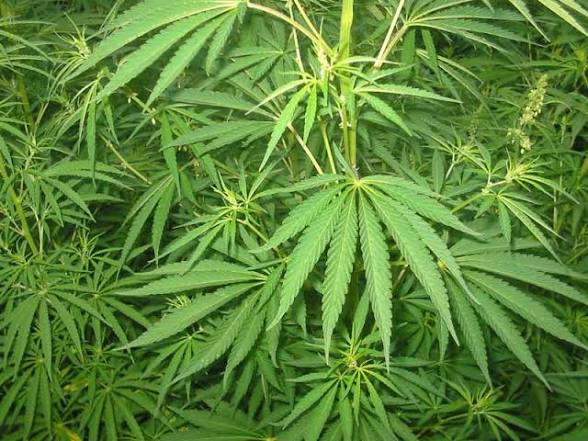
Weed in Beirut: Laws, Culture, and What to Know
Beirut has long been known as a city of contrasts. Ancient history sits next to modern nightlife, conservative traditions coexist with progressive art scenes, and strict laws often live alongside informal social realities. Cannabis, commonly called weed, is one of those topics that reflects Beirut’s complexity. While Lebanon has a unique history with cannabis cultivation, especially in rural regions, the legal and social situation in Beirut itself is far more nuanced and often misunderstood.
This article explores weed in Beirut from a legal, cultural, and social perspective, focusing on human readability and practical understanding rather than promotion or instruction.
A Brief Background: Cannabis in Lebanon
Lebanon is not new to cannabis. For decades, the Bekaa Valley has been internationally known for cannabis cultivation, particularly hashish. Historically, economic hardship, weak state control, and high demand allowed cannabis farming to become a survival crop for many rural communities.
However, it is important to distinguish between rural cultivation history and urban realities. Beirut, as the capital and administrative center, operates under closer law enforcement and scrutiny than remote agricultural regions. What may exist in folklore or history does not automatically translate to tolerance in the city.
Legal Status of Weed in Beirut
Cannabis remains illegal for recreational use in Beirut and throughout Lebanon. Possession, consumption, sale, and trafficking are criminal offenses under Lebanese law.
That said, enforcement has not always been consistent.
Penalties can include fines, imprisonment, or mandatory rehabilitation, depending on the circumstances. Foreigners are not exempt and may face detention, legal proceedings, or travel restrictions. Lebanese authorities can be strict, especially when enforcement priorities shift or when high-profile crackdowns occur.
Medical and Industrial Cannabis Developments
In recent years, Lebanon has taken steps toward legalizing cannabis for medical and industrial purposes.
However, this framework does not legalize personal use or recreational consumption. In Beirut, this legal development has sparked debate and curiosity, but it has not changed the day-to-day legal risks for residents or visitors.
Weed and Beirut’s Social Scene
Beirut has a reputation for being more socially liberal than many cities in the region. Nightlife, music festivals, underground art spaces, and private gatherings often give the impression of relaxed attitudes toward weed.
However, discretion is key. Public consumption is risky and can attract serious legal trouble. Unlike some Western cities, smoking weed openly in parks, streets, or beaches is not socially or legally accepted.
The contrast between private tolerance and public prohibition is a defining feature of Beirut’s cannabis culture.
Public Perception and Stigma
Public attitudes toward weed in Beirut are mixed. Some see it as a relatively harmless substance, especially compared to alcohol or harder drugs. Others associate it with crime, moral decline, or foreign influence.
Older generations and more conservative communities tend to disapprove strongly, while younger people may hold more relaxed views. Religious and cultural values also shape opinions, and these differences are often visible within families themselves.
Risks and Realities
Using or possessing weed in Beirut carries real risks. Law enforcement practices can vary depending on location, timing, and political climate. What might be ignored one day could lead to arrest the next.
Additionally, the absence of regulation means quality and safety are unpredictable. This adds health risks on top of legal ones.
For visitors, misunderstandings about Beirut’s “liberal reputation” can be especially dangerous. Being a foreigner does not reduce risk and may, in some cases, complicate legal situations.
Weed vs Alcohol in Beirut
Alcohol is legal and widely available in Beirut, which sometimes leads to confusion about weed. Bars, clubs, and liquor stores operate openly, and alcohol consumption is a normal part of city life.
Cannabis does not enjoy the same status. Lebanese law draws a clear line between the two substances.
The Future of Cannabis in Beirut
Lebanon’s economic challenges have fueled discussions about cannabis reform, particularly for export and medical markets. Some see this as a stepping stone toward broader reform, while others believe recreational legalization remains unlikely in the near future.
In Beirut, public discourse around weed is more open than before, but meaningful legal change would require political stability, regulatory infrastructure, and cultural consensus. For now, cannabis remains illegal for personal use, and that reality shapes everyday life in the city.
FAQs About Weed in Beirut
Is weed legal in Beirut?
No. Cannabis is illegal for recreational use in Beirut and across Lebanon. Possession and consumption are criminal offenses.
Has Lebanon legalized weed for medical use?
Lebanon has approved cannabis cultivation for medical and industrial purposes under strict regulation. This does not allow personal or recreational use.
Can tourists get in trouble for weed in Beirut?
Yes. Tourists are subject to the same laws as locals and can face detention, fines, or legal action.
Is weed commonly used in Beirut?
While cannabis exists in private social circles, it is not openly consumed in public. Usage is far less visible than in cities where it is legal or decriminalized.
Are the laws strictly enforced?
Enforcement can vary, but relying on inconsistency is risky. Crackdowns do occur, and consequences can be serious.
Is public smoking tolerated in Beirut?
No. Public consumption is unsafe and can attract legal trouble.
Could weed become legal in Beirut in the future?
Discussions exist, especially around economic benefits, but recreational legalization is not currently on the horizon.
Final Thoughts
Weed in Beirut sits at the intersection of history, culture, law, and social change. While Lebanon’s past and recent reforms may suggest progress, the reality on the ground in Beirut remains clear: cannabis is illegal and carries significant risks. Understanding the legal framework and cultural context is essential for anyone living in or visiting the city. Beirut may be open-minded in many ways, but when it comes to weed, caution and awareness are crucial.

Leave a Reply