
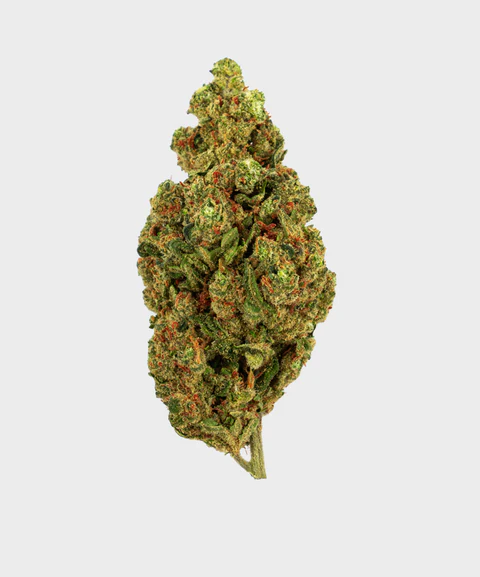
Weed in Vantaa: Laws, Culture, and Public Attitudes
Vantaa, one of Finland’s largest cities and part of the Helsinki metropolitan area, sits at the crossroads of urban life, international travel, and suburban neighborhoods. With Helsinki Airport located within its borders, Vantaa often reflects broader national conversations around social policy, public health, and law enforcement. One topic that continues to generate discussion is weed (cannabis): how it is viewed, how it is regulated, and how residents talk about it in everyday life.
This article explores weed in Vantaa from a legal, cultural, and social perspective. It does not promote illegal activity, but instead aims to give a clear, human-readable overview of how cannabis fits into life in this Finnish city.
Legal Status of Weed in Vantaa
In Vantaa, as in the rest of Finland, weed is illegal. Finnish law treats cannabis as a controlled narcotic substance. Possession, use, cultivation, and distribution are all prohibited under national legislation, and there are no local exceptions that apply specifically to Vantaa.
For small amounts intended for personal use, consequences often take the form of fines rather than prison sentences, particularly for first-time offenses. However, repeat offenses or cases involving larger quantities can result in more serious penalties. Police in the Helsinki metropolitan area, including Vantaa, generally follow national guidelines that emphasize proportional enforcement.
Medical cannabis exists in Finland, but it is strictly regulated and available only with a doctor’s prescription for specific conditions. This does not mean weed is broadly legal for medical use; access is limited, and most cannabis products remain illegal outside the narrow medical framework.
Public Attitudes Toward Cannabis
Public opinion in Vantaa mirrors the diversity of its population. Younger residents and students, especially those connected to nearby universities and international communities, tend to hold more liberal views toward weed.
Older generations and more conservative residents are more likely to see weed as a public health risk or a gateway to harder substances. These differing viewpoints coexist, making cannabis a frequent topic in political debates, opinion pieces, and social discussions.
Overall, attitudes are slowly shifting. While weed remains illegal, conversations about decriminalization, alternative drug policies, and public health approaches are more common now than they were a decade ago.
Cannabis and Everyday Life in Vantaa
Cannabis is not openly visible in daily life in Vantaa. Public consumption can attract police attention and social disapproval.
That said, weed is present in private spaces, as it is in many cities worldwide. Discussions about cannabis often happen quietly among friends rather than in public forums. Social norms emphasize discretion, partly due to the legal risks and partly due to Finnish cultural preferences for privacy.
Workplaces, schools, and public institutions maintain strict policies against drug use. Testing, disciplinary measures, and zero-tolerance rules are common, especially in safety-sensitive professions.
Law Enforcement and Policy Approach
Vantaa’s police operate within the broader framework of Finnish drug policy. The focus has gradually shifted toward reducing harm rather than purely punitive measures, though cannabis remains illegal.
For minor possession cases, police may issue fines or refer individuals to counseling or health services. This approach reflects a recognition that criminal records can have long-term consequences that may outweigh the harm of the offense itself. However, enforcement still exists, and the risk of legal trouble is real.
Local authorities also invest in education and prevention, especially among youth. Schools and community organizations provide information about drugs, emphasizing health risks and legal consequences rather than moral judgment alone.
Health and Social Considerations
Public health discussions in Vantaa often compare weed to alcohol, which is legal but tightly regulated in Finland. Supporters of reform argue that cannabis may pose fewer risks than alcohol, while opponents stress potential mental health effects, especially for young people.
Health professionals in the region tend to emphasize moderation, awareness, and mental well-being.
At the same time, there is growing interest in evidence-based drug education. Rather than relying solely on fear-based messaging, many educators and health workers advocate honest discussions about risks, personal responsibility, and seeking help when needed.
Political Debate and the Future
Cannabis policy is an evolving topic in Finnish politics, and Vantaa residents participate actively in national debates. Some political parties and youth organizations support decriminalization or administrative penalties instead of criminal ones. Others firmly oppose any relaxation of current laws.
While full legalization remains unlikely in the near future, incremental changes are possible. Discussions about decriminalizing personal use or expanding medical cannabis access continue to surface. Vantaa, as part of the capital region, often serves as a testing ground for new social policies and pilot programs.
For now, weed remains illegal, but the conversation around it is far from static.
Cannabis Culture vs. Finnish Culture
Finnish culture values order, personal space, and respect for rules. This shapes how cannabis is perceived and discussed in Vantaa. Unlike places where weed culture is loud or commercialized, in Vantaa it is quiet and understated.
People who use cannabis often keep it separate from their public identity. This discretion reflects both legal realities and cultural norms. Even among those who support reform, there is a strong emphasis on responsibility and consideration for others.
FAQs About Weed in Vantaa
Is weed legal in Vantaa?
No. Weed is illegal in Vantaa and throughout Finland. Possession, use, and sale are prohibited by law.
What happens if you are caught with a small amount?
In many cases, small amounts for personal use result in a fine rather than jail time, especially for first-time offenses. However, penalties can increase depending on circumstances.
Is medical cannabis allowed in Vantaa?
Yes, but only in very limited cases. Medical cannabis requires a prescription and is tightly regulated.
Do people openly use weed in Vantaa?
No. Public use is uncommon and socially discouraged due to legal risks and cultural norms.
Are attitudes toward weed changing?
Yes. Public discussion has become more open, and younger generations tend to be more supportive of reform, though the law has not changed.
Could weed become legal in the future?
There is ongoing debate, but full legalization is not expected in the immediate future. Smaller policy changes are more likely.
Conclusion
Weed in Vantaa exists within a complex framework of law, culture, and public opinion. While it remains illegal, conversations about cannabis are becoming more nuanced and informed. Vantaa reflects Finland’s broader approach: cautious, evidence-focused, and shaped by public health considerations.
Understanding weed in Vantaa means understanding Finnish society itself—pragmatic, private, and slowly evolving. As debates continue and perspectives shift, cannabis will likely remain a significant topic in discussions about law, health, and personal freedom in the city.

Leave a Reply