
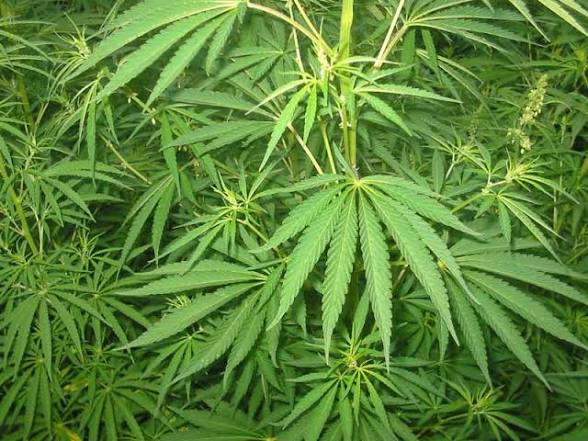
Weed in Amman: Laws, Culture, and What You Should Know
Amman, the capital of Jordan, is a city where ancient history and modern life blend seamlessly. Known for its hospitality, conservative values, and growing youth culture, Amman attracts tourists, students, and professionals from around the world. However, when it comes to cannabis (commonly referred to as weed), Amman operates under strict legal and social rules that are very different from those in many Western or legalized regions.
Understanding the reality of weed in Amman requires more than rumors or assumptions. Jordan has firm drug laws, strong enforcement, and cultural norms that leave little room for tolerance.
Legal Status of Weed in Amman
Cannabis is illegal in Amman and throughout Jordan. This includes possession, use, cultivation, sale, and trafficking. Jordanian law treats cannabis as a narcotic substance, and violations can lead to serious legal consequences.
Possession of even a small amount can result in arrest, detention, fines, mandatory rehabilitation, or imprisonment, depending on the circumstances. Repeat offenses or intent to distribute can result in harsher penalties.
Foreigners are not exempt from these laws, and claiming ignorance offers no protection.
Enforcement and Policing
Law enforcement in Amman actively enforces drug laws. Random checks, intelligence-led investigations, and border controls are common.
Additionally, online activity related to drugs is monitored. Public discussions, attempted purchases, or coded messages can draw attention and cause serious trouble.
Cultural and Social Attitudes
Most locals associate weed with criminal behavior, moral decline, or foreign influence. While younger generations in urban areas may privately discuss cannabis or global legalization trends, public acceptance remains extremely low.
Using or discussing weed openly can harm personal relationships, professional reputations, and social standing. In Amman, discretion alone is not enough—avoidance is the norm.
Availability and Risk
Cannabis is not openly available in Amman. There are no dispensaries, clubs, or tolerated social spaces for weed. Any availability exists entirely within illegal networks, which carry significant risks.
Attempting to obtain cannabis exposes individuals to:
- Police stings or informants
- Fraud or blackmail
- Unsafe or contaminated substances
- Severe legal consequences
Because there is no regulated market, quality and safety cannot be verified. The risks far outweigh any perceived benefits.
Medical Cannabis in Jordan
Jordan has taken very limited steps toward exploring medical cannabis, primarily for pharmaceutical research and export under strict government control. However, this does not translate into legal access for patients within Amman.
Medical cannabis prescriptions, personal use, or imported cannabis-based products are not legally available to the public. Even products that are legal elsewhere may be illegal in Jordan.
Travelers bringing CBD or cannabis-derived products into the country risk confiscation or arrest, regardless of medical documentation from another country.
Weed and Tourists in Amman
Tourists sometimes assume that local laws are flexible or that enforcement is lenient toward foreigners. This is a dangerous misconception.
Jordan enforces drug laws equally, and in some cases, foreigners face additional scrutiny. Embassies offer limited assistance in drug-related cases, and legal proceedings follow Jordanian law.
For visitors, the safest and smartest approach is simple: do not attempt to use, buy, or carry weed in Amman.
Changing Conversations, Not Laws
Globally, cannabis laws are changing, and conversations around legalization are becoming more common. In Jordan, discussions around drug reform tend to focus on prevention, education, and treatment, not legalization.
While some policymakers and health professionals discuss harm reduction and rehabilitation, there is no meaningful public movement toward legalizing weed in Amman or Jordan in the near future.
For now, the law is clear, and enforcement remains firm.
Safer Alternatives and Lifestyle Choices
Amman offers many legal and culturally accepted ways to relax and socialize. Coffee culture is strong, with cafés serving traditional Arabic coffee and tea. Social gatherings, food, music, and historical exploration provide plenty of enjoyment without legal risk.
Respecting local laws and customs not only keeps you safe but also allows you to experience the city authentically.
FAQs About Weed in Amman
Is weed legal in Amman?
No. Cannabis is illegal in Amman and all of Jordan. Possession, use, and sale are criminal offenses.
What happens if you’re caught with weed in Amman?
Penalties can include arrest, fines, mandatory rehabilitation, imprisonment, or deportation for foreigners, depending on the case.
Is medical marijuana allowed in Jordan?
No. There is no legal access to medical cannabis for individuals in Amman.
Are CBD products legal in Amman?
Possession can still cause legal problems.
Is weed common among locals?
Cannabis use exists but is not widespread or socially accepted.
Are tourists treated differently under weed laws?
No. Tourists are subject to the same laws and may face additional consequences like deportation.
Can you bring cannabis or edibles into Jordan?
No. Bringing any cannabis-related product into Jordan is illegal and can result in serious penalties.
Are Jordan’s weed laws changing soon?
There is no indication that recreational or medical cannabis will be legalized in the near future.
Final Thoughts
Weed in Amman exists within a strictly prohibited legal and cultural environment. Unlike cities where cannabis is tolerated or regulated, Amman offers no safe or legal space for use. The risks—legal, social, and personal—are significant.

Leave a Reply