
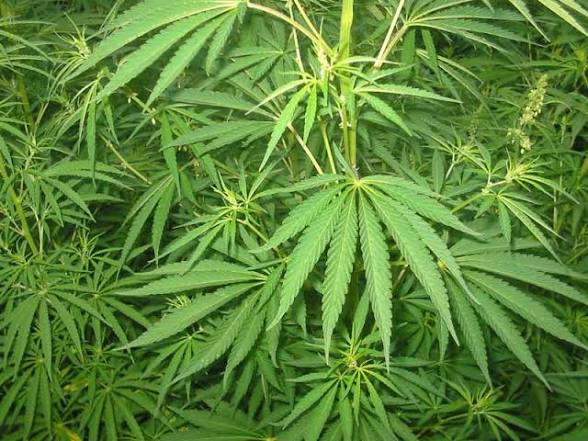
Weed in Campina Grande: Culture, Law, and Local Perspectives
Campina Grande, located in the state of Paraíba in Brazil’s Northeast, is widely known for its universities, technology sector, and vibrant cultural calendar—especially the famous São João festivities. Alongside these defining features, conversations around cannabis (often referred to as “weed” or “maconha”) also surface, reflecting broader national debates about drug policy, public health, and personal freedom. Understanding weed in Campina Grande requires looking at Brazilian law, local attitudes, and the social realities that shape how the subject is perceived in the city.
Legal Status of Weed in Brazil
Brazil maintains a restrictive stance on cannabis. Recreational use is illegal nationwide, including in Campina Grande. While possession of small amounts for personal use is not punished with jail time, it can still result in legal consequences such as warnings, community service, or mandatory educational programs. The distinction between personal use and trafficking is not always clear-cut and depends on factors like quantity, circumstances, and police interpretation.
Medical cannabis, on the other hand, has seen gradual progress.
Local Attitudes Toward Cannabis
Campina Grande is a university city, home to institutions such as the Federal University of Campina Grande (UFCG). This academic environment contributes to a diversity of viewpoints, especially among younger residents. Students and young professionals often engage in broader discussions about legalization, harm reduction, and global cannabis trends.
At the same time, the city has strong traditional and religious influences, which shape more conservative views on drug use. Many residents associate weed with crime, health risks, or moral concerns. As a result, opinions in Campina Grande are mixed, with acceptance and skepticism existing side by side.
Weed and Youth Culture
As in many Brazilian cities, cannabis is sometimes associated with youth subcultures, including music, art, and alternative lifestyles. In Campina Grande, reggae, rap, and independent art scenes occasionally reference cannabis as a symbol of resistance or personal expression. These cultural associations do not mean widespread acceptance, but they highlight how weed can be part of identity and creative expression for some groups.
However, public consumption is risky and generally avoided due to legal consequences and social stigma. Most users are discreet, aware that visibility can bring problems not only with law enforcement but also within their communities.
Public Health and Social Concerns
Public health discussions around weed in Campina Grande often focus on prevention and education. Authorities and health professionals emphasize the potential risks of cannabis use, especially for adolescents and young adults. Concerns include impacts on mental health, academic performance, and motivation.
At the same time, there is a growing recognition that punitive approaches alone may not be effective. Some local discussions align with national debates about harm reduction, mental health support, and treating drug use as a health issue rather than purely a criminal one.
Law Enforcement and Reality on the Ground
Enforcement of cannabis laws in Campina Grande reflects broader Brazilian patterns. Police operations tend to focus more heavily on trafficking networks than on individual users, but street-level encounters can still lead to penalties. Socioeconomic factors often influence how laws are applied, with marginalized communities facing stricter scrutiny.
This reality fuels ongoing conversations about inequality and justice. Critics argue that current policies disproportionately affect poorer neighborhoods while failing to address underlying social problems such as lack of opportunity and education.
The Medical Cannabis Conversation
Medical cannabis has become an important part of the weed discussion in Campina Grande. Families dealing with conditions like epilepsy or chronic pain often advocate for access to regulated cannabis-based treatments. These stories humanize the issue and challenge the perception of cannabis as solely a recreational drug.
Although access remains bureaucratic and limited, awareness is growing. Health seminars, academic research, and patient advocacy contribute to a more nuanced understanding of cannabis and its potential benefits when used responsibly under medical supervision.
Future Outlook
The future of weed in Campina Grande is closely tied to national policy changes. Brazil continues to debate decriminalization, regulation, and medical expansion. Any legal shifts at the federal level would directly affect how cannabis is viewed and managed locally.
In the meantime, Campina Grande remains a city of contrasts: progressive academic discussions coexist with conservative traditions, and curiosity about global cannabis trends exists alongside strict legal boundaries. This dynamic makes the city a microcosm of Brazil’s broader relationship with weed.
Conclusion
Weed in Campina Grande is not just a matter of legality; it is a social, cultural, and health-related issue shaped by diverse perspectives. While cannabis remains illegal for recreational use, discussions around medical applications and policy reform continue to evolve. Understanding the local context—rooted in education, tradition, and social realities—helps explain why opinions differ and why the topic remains both sensitive and significant. As Brazil’s national conversation progresses, Campina Grande will likely continue to reflect the tensions and possibilities surrounding cannabis in the country.
FAQs About Weed in Campina Grande
Is weed legal in Campina Grande?
No. Recreational cannabis is illegal in Campina Grande and throughout Brazil. Possession for personal use can still lead to legal penalties.
Can you go to jail for having weed in Campina Grande?
Small amounts for personal use typically do not result in jail time, but penalties such as warnings or community service may apply. Larger quantities can lead to serious charges.
Is medical cannabis allowed in Campina Grande?
Yes, under strict regulations. Certain cannabis-based products can be prescribed with proper authorization for specific medical conditions.
How do locals generally feel about weed?
Opinions vary. Some residents, especially younger and academic communities, support reform, while others hold conservative views influenced by tradition and religion.
Is weed use common among students in Campina Grande?
As a university city, Campina Grande has student communities where cannabis is part of broader cultural discussions, but use is generally discreet due to legal and social risks.
Could cannabis laws change in the future?
Potentially. Any changes would depend on national legislation. Ongoing debates about decriminalization and medical use could influence future policies.

Leave a Reply