
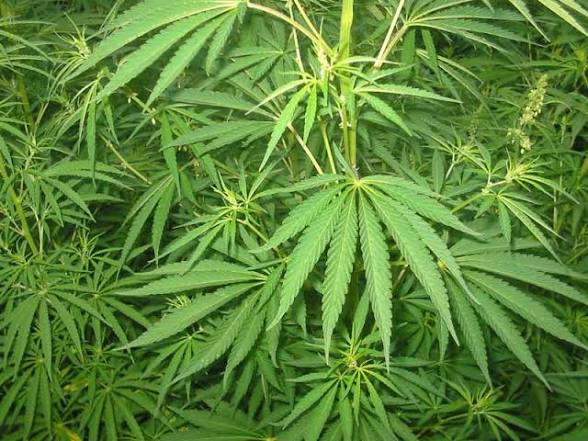
Weed in Ica: Laws, Culture, and Local Perspectives
Ica is best known for its sun-soaked deserts, vineyards, pisco traditions, and the nearby Huacachina oasis. Compared to Peru’s larger cities, it has a quieter pace of life and a strong agricultural identity. When it comes to cannabis (often called weed or marijuana), Ica reflects the broader Peruvian approach: cautious, conservative, and shaped by national law rather than local experimentation. This article explores how weed fits into Ica’s legal framework, social attitudes, and everyday realities—without glamorizing or promoting illegal activity.
A Brief Look at Peru’s Cannabis Laws
Peru does not have a patchwork of regional cannabis laws; what applies in Lima generally applies in Ica as well. Recreational cannabis remains illegal nationwide. Possession of small amounts has been partially decriminalized for personal use, but that does not mean it is legal or encouraged. Carrying cannabis can still lead to police questioning, confiscation, or legal complications, especially if quantities exceed the limits defined by law or if other factors are involved.
Medical cannabis, on the other hand, is legal in Peru under strict regulation. Patients must be registered, prescriptions must come from authorized doctors, and products are dispensed through approved channels. This legal framework exists to support specific medical needs rather than recreational consumption.
For residents and visitors in Ica, this means that cannabis is not openly sold or consumed, and public use is particularly risky. Enforcement can vary, but the law itself is clear: recreational weed is not legal.
Cannabis and Ica’s Cultural Landscape
Ica’s culture is deeply tied to farming, family life, and regional traditions. Vineyards producing grapes for wine and pisco dominate the economy, and many families have worked the land for generations. In this context, cannabis does not play a visible cultural role.
Public attitudes in Ica tend to be more conservative than in some cosmopolitan areas. While younger generations may be more aware of global conversations around legalization and medical use, open discussion about weed is still limited. Older residents often associate cannabis with social problems or criminality, a perception reinforced by decades of strict drug policies across Latin America.
That said, attitudes are slowly evolving. Media coverage of medical cannabis and international legalization debates has softened opinions for some people, especially regarding therapeutic use. Still, discretion is the norm.
Availability and Reality on the Ground
Because recreational cannabis is illegal, there is no regulated market in Ica. Any presence of weed exists in informal, underground spaces. This brings several risks: inconsistent quality, potential contamination, and legal consequences. Law enforcement efforts in smaller cities can sometimes be more noticeable because unusual behavior stands out more easily than in a crowded metropolis.
Tourists should be especially cautious. Ica’s tourism scene revolves around sandboarding, wine tours, and desert adventures—not cannabis. Visitors who assume a relaxed attitude similar to some other countries may find themselves facing serious trouble.
Medical Cannabis in Ica
Medical cannabis is where the conversation becomes more nuanced. Peru’s medical cannabis law allows registered patients to access cannabis-based products for conditions such as chronic pain, epilepsy, and certain neurological disorders. In practice, access can be more limited outside major cities.
In Ica, patients may need to travel or rely on authorized pharmacies and doctors connected to the national system. The process involves paperwork, registration, and medical oversight. While this system exists, it is still developing, and awareness among the general population remains relatively low.
Social Stigma and Public Perception
Social stigma around weed is still present in Ica. Many residents prioritize maintaining a respectable image within tight-knit communities, where word travels fast.
This social dynamic influences behavior more than the law alone. People are often more concerned about social consequences—family disapproval, workplace issues, or community judgment—than about the legal penalties themselves.
Law Enforcement and Practical Risks
Police in Ica enforce national drug laws, and encounters involving cannabis can be unpredictable. Even possession within decriminalized limits does not guarantee a smooth interaction. Confiscation, questioning, or being taken to a police station for clarification can occur.
Foreigners may face additional scrutiny, particularly if language barriers or misunderstandings arise. The safest approach is to respect local laws and customs fully.
The Future of Cannabis in Ica
Will cannabis laws change in the future? It’s possible, but change in Peru tends to be gradual. Any shift toward broader legalization would likely begin at the national level and focus first on expanding medical access rather than recreational use.
In Ica, economic priorities such as agriculture, tourism, and export industries currently take precedence over debates about cannabis reform. If changes do come, they will likely emphasize regulation, public health, and control rather than open markets.
Responsible Conversation and Awareness
Talking about weed in Ica is less about seeking access and more about understanding context. Awareness of the law, respect for local culture, and consideration of health and social impacts are key. Cannabis is part of a global discussion, but in Ica, that discussion remains quiet and cautious.
FAQs About Weed in Ica
Is weed legal in Ica?
Recreational cannabis is illegal in Ica and throughout Peru. Medical cannabis is legal under strict regulations.
Can you possess small amounts of weed in Ica?
Peru has decriminalized possession of very small amounts for personal use, but this does not mean it is fully legal or risk-free. Police can still confiscate cannabis and question you.
Is medical cannabis available in Ica?
Is cannabis socially accepted in Ica?
Generally, no. Ica is more conservative, and public or open use of cannabis is socially frowned upon.
Do tourists face risks related to weed in Ica?
Yes. Tourists can face legal trouble, fines, or other complications if caught with cannabis.
Are there legal cannabis shops in Ica?
No. There are no legal recreational cannabis shops. Medical products are available only through approved channels.
Is public consumption allowed?
No. Public consumption of cannabis is illegal and likely to attract police attention.
Will cannabis be legalized in Ica in the future?
Any future legalization would come from national reforms. For now, significant changes are uncertain and likely to be slow.
How do locals generally view cannabis?
Views vary, but many locals associate cannabis with negative stereotypes. Acceptance of medical use is growing slowly.
What is the safest approach regarding weed in Ica?
The safest approach is to respect the law, avoid possession or use, and understand local cultural norms.
In Ica, cannabis exists mostly as a background topic rather than a visible part of daily life. Understanding the legal boundaries and cultural attitudes helps paint a clearer picture of how weed fits—or doesn’t fit—into this desert city’s rhythm.
11 thoughts on “weed in Ica”