
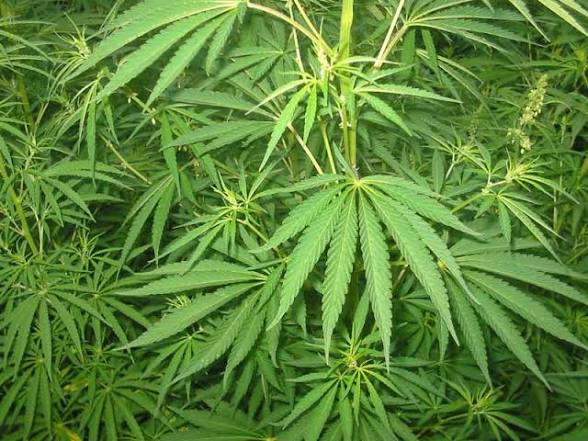
Weed in Campo Grande: Laws, Culture, and Everyday Reality
Campo Grande, the capital of Mato Grosso do Sul, sits at a crossroads of Brazil’s Central-West region. Known for its wide avenues, strong agribusiness economy, and proximity to the Pantanal, the city blends urban life with deep rural roots. Conversations about weed (maconha) in Campo Grande reflect this mix: traditional values, evolving social attitudes, and a national legal framework that remains restrictive yet complex. Understanding how cannabis fits into local life requires looking at the law, public perception, health discussions, and the broader cultural context.
The Legal Landscape in Campo Grande
Brazil’s drug laws apply uniformly across the country, including Campo Grande. Cannabis is illegal for recreational use. Possession for personal use is treated differently from trafficking, but it is still not legal. In practice, someone caught with a small amount may face penalties such as warnings, community service, or mandatory educational measures rather than prison. However, there is no clear nationwide definition of what qualifies as “personal use,” which leaves room for interpretation by police and courts.
This legal ambiguity can create uncertainty for residents. Two people carrying the same amount may be treated differently depending on circumstances, prior records, or how authorities interpret intent. For many in Campo Grande, this uncertainty is a key reason why cannabis remains a discreet topic rather than an openly discussed lifestyle choice.
Medical cannabis occupies a separate space. In Brazil, certain cannabis-based medicines can be accessed with proper authorization and medical prescriptions, often involving imported products. While this has opened doors for patients with conditions such as epilepsy or chronic pain, it does not equate to full legalization. In Campo Grande, as elsewhere, medical use is growing but still bureaucratic and expensive for many families.
Social Attitudes and Local Culture
Campo Grande has a reputation for being calmer and more conservative than some of Brazil’s coastal capitals. This influences how weed is perceived. Older generations often associate cannabis with criminality or moral decline, views shaped by decades of strict anti-drug messaging. Younger residents, especially students and creatives, tend to hold more nuanced opinions, seeing cannabis as a social or personal choice rather than a moral failing.
Public consumption is rare and generally frowned upon. Unlike cities known for vibrant nightlife and countercultural scenes, Campo Grande’s social life is more subdued. Weed use, where it exists, usually happens in private settings among trusted friends. Discretion is valued, not just because of the law but also due to social norms.
At the same time, national conversations influence local thinking. Debates in Brazilian media about decriminalization, racial disparities in drug enforcement, and the potential economic benefits of regulation are followed closely. Campo Grande may not be at the forefront of activism, but its residents are not isolated from these discussions.
Health Perspectives and Public Debate
Health professionals in Campo Grande often approach cannabis from a harm-reduction perspective rather than a purely punitive one. Public health campaigns tend to emphasize the risks of substance abuse while acknowledging that criminalization alone does not eliminate use. Discussions around mental health, dependency, and youth exposure are common in schools and community programs.
Medical cannabis has shifted some opinions. Families who have seen improvements in patients using cannabis-derived treatments often become vocal advocates for broader access. Their stories humanize the issue and challenge stereotypes, even among those who oppose recreational use.
Still, concerns remain. Critics worry about impaired driving, adolescent brain development, and the potential normalization of drug use. These concerns shape cautious attitudes among policymakers and community leaders in Campo Grande.
Weed, Crime, and Public Safety
One of the strongest arguments against cannabis legalization in Campo Grande relates to public safety. Mato Grosso do Sul borders Paraguay and Bolivia, making it a key corridor for various forms of cross-border trafficking. Although cannabis is only one part of this broader issue, it often gets lumped into larger discussions about organized crime.
Supporters of reform argue that regulating cannabis could reduce illegal markets and allow law enforcement to focus on more serious crimes. Opponents counter that any relaxation could worsen existing challenges. This tension mirrors national debates and keeps the topic firmly in the realm of policy discussion rather than local experimentation.
The Influence of Agribusiness and Environment
Campo Grande’s identity is closely tied to agriculture and environmental stewardship. This adds an interesting layer to cannabis debates. On one hand, the region’s expertise in large-scale farming sparks curiosity about the potential economic benefits of a regulated cannabis industry, especially hemp. On the other hand, environmental concerns and a desire to protect the Pantanal ecosystem encourage caution.
For now, these ideas remain speculative. There is no legal framework allowing cultivation for recreational purposes, and discussions about industrial hemp are still emerging. Yet the agricultural mindset means that if laws were to change, Campo Grande would likely approach the issue pragmatically.
Everyday Reality for Residents
For most people in Campo Grande, weed is not a central feature of daily life. Alcohol remains far more visible and socially accepted. Cannabis use exists, but quietly. Those who choose to use it tend to be aware of the risks—legal, social, and personal—and act accordingly.
The city’s pace encourages moderation. With its emphasis on family life, outdoor activities, and work, Campo Grande does not have the same reputation for excess found in larger metropolitan areas. This context shapes how cannabis fits into local routines: present, but not dominant.
The Road Ahead
The future of weed in Campo Grande depends largely on national decisions. Any significant change in Brazilian drug policy would ripple through the city, affecting law enforcement, healthcare, and public opinion. Until then, Campo Grande remains a place where cannabis is discussed cautiously, experienced privately, and debated thoughtfully.
As attitudes evolve, the city’s blend of conservatism and openness may lead to balanced conversations rather than radical shifts. Whether through expanded medical access or broader legal reform, change—if it comes—is likely to be gradual.
FAQs About Weed in Campo Grande
Is weed legal in Campo Grande?
No. Cannabis is illegal for recreational use in Campo Grande and throughout Brazil. Possession for personal use is treated differently from trafficking but is still not legal.
What happens if someone is caught with weed for personal use?
Penalties usually involve warnings, community service, or educational measures rather than jail time. However, outcomes can vary because the law does not clearly define personal-use quantities.
Is medical cannabis available in Campo Grande?
Yes, but only under strict regulations. Patients need a medical prescription and authorization, and most products are imported, which can be costly.
Is public consumption common in Campo Grande?
No. Public use is rare and socially discouraged. Most cannabis use, where it occurs, happens in private settings.
How do locals generally view weed?
Opinions vary. Older generations tend to be more conservative, while younger people are often more open to discussion. Overall, attitudes are cautious rather than openly permissive.
Could cannabis be legalized in the future?
Any change would depend on national Brazilian laws. While debates continue, there is no immediate indication of full legalization.
Is hemp farming discussed in the region?
There is some curiosity due to the region’s agricultural background, but no clear legal pathway currently exists for large-scale hemp cultivation.
Weed in Campo Grande sits at the intersection of law, culture, and evolving public debate. While not a defining feature of the city, it reflects broader Brazilian tensions between tradition and change—quietly shaping conversations about health, justice, and the future.

Leave a Reply