
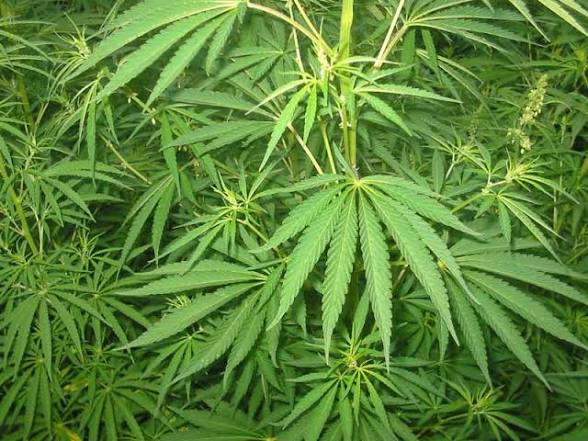
Weed in Iquitos: Culture, Law, and Local Perspectives
Iquitos is one of the most unique cities in South America. Surrounded by the Amazon rainforest and accessible mainly by river or air, it has long attracted travelers, researchers, and spiritual seekers. With this blend of cultures comes curiosity about cannabis, often referred to as weed or marijuana. Understanding how weed fits into life in Iquitos requires looking at local laws, cultural attitudes, and the broader social context rather than assumptions based on other destinations.
A Brief Look at Iquitos
Iquitos is the largest city in the world that cannot be reached by road. Its isolation has shaped a distinct identity, influenced by Indigenous Amazonian traditions, mestizo culture, and international tourism. Still, like most urban centers, cannabis exists in the background of daily life.
Legal Status of Weed in Peru
Peru has strict drug laws, and these apply fully in Iquitos. Recreational cannabis remains illegal. Possession, cultivation, and distribution can lead to serious legal consequences, especially if authorities believe there is intent to sell.
Peruvian law does allow limited possession for personal use under very specific conditions, but these limits are narrow and often misunderstood. Enforcement can be inconsistent, and what may seem tolerated in one situation can lead to problems in another. This system is still developing and is not widely visible in cities like Iquitos.
Cannabis and Local Culture
Unlike coca leaves, which have deep historical and cultural roots in Peru, cannabis does not hold traditional significance in the Amazon. Indigenous plant knowledge in the region focuses more on medicinal herbs and ceremonial plants used for healing and spiritual practices.
Most locals view weed neutrally or cautiously, seeing it as something foreign rather than culturally meaningful.
Tourism and Perceptions
Visitors sometimes assume that remote or jungle cities are more permissive when it comes to drugs. In reality, this assumption can lead to serious trouble. While Iquitos has a laid-back atmosphere, the legal system is still strict.
Tourism in Iquitos is heavily focused on nature, river excursions, wildlife, and spiritual retreats. Drug-related issues are not a selling point for the city, and authorities are sensitive to activities that could harm its reputation or safety.
Social Attitudes Toward Weed
Public acceptance of weed in Iquitos is limited. Open use is uncommon, and most people prefer discretion even in private settings. Families and older generations often hold conservative views shaped by Catholic values and concerns about crime and health.
There is also a clear distinction in local attitudes between cannabis and traditional Amazonian plants.
Health and Safety Considerations
Health education around cannabis is not widespread in Iquitos. Misunderstandings about potency, effects, and risks are common. Because cannabis is illegal, quality control does not exist, which increases potential health risks.
Legal consequences are also a major concern. Even small misunderstandings can escalate due to language barriers or lack of familiarity with local procedures. For residents and visitors alike, awareness and caution are essential.
Weed Compared to Other Substances
In Peru, alcohol is widely accepted and socially integrated, while tobacco is regulated but common. Cannabis occupies a much more restricted space.
This contrast explains why weed remains largely underground in Iquitos, despite the city’s reputation for openness and cultural mixing.
The Future of Cannabis in Iquitos
National conversations about cannabis in Peru are slowly evolving, particularly around medical use and decriminalization debates. However, major legal changes are unlikely in the near future.
In Iquitos, any shift would probably follow national policy rather than local initiatives. For now, cannabis remains outside mainstream acceptance, and the city continues to focus on preserving its cultural heritage and natural environment.
FAQs About Weed in Iquitos
Is weed legal in Iquitos?
No. Recreational cannabis is illegal throughout Peru, including Iquitos.
Can tourists use weed in Iquitos?
Tourists are subject to the same laws as locals. Using or possessing weed can lead to legal trouble, fines, or worse, regardless of nationality.
Is medical cannabis available in Iquitos?
Medical cannabis is legal in Peru under regulation, but access is limited and requires proper authorization. It is not commonly available in Iquitos.
Is cannabis part of Amazonian tradition?
No. Indigenous Amazonian traditions focus on other plants used for medicine and spirituality. Cannabis does not have historical or cultural roots in the region.
Are attitudes toward weed relaxed in Iquitos?
Generally, no. While the city feels laid-back, social and legal attitudes toward cannabis remain conservative.
Can you smoke weed openly in public?
Public use is strongly discouraged and can attract police attention. Open consumption is uncommon and risky.
Is weed treated the same as other drugs?
Cannabis is often grouped with illegal drugs in public perception, even though its effects differ. This grouping influences enforcement and social attitudes.
Final Thoughts
Weed in Iquitos exists quietly on the margins of society rather than at its center. The city’s identity is shaped by the Amazon, its people, and centuries-old traditions, not by cannabis culture. Understanding the legal risks, cultural context, and local attitudes is essential for anyone curious about the topic. In Iquitos, respect for the law and local norms goes a long way in ensuring a safe and meaningful experience.

Leave a Reply