Weed in Sakon Nakhon: A Local Perspective on Cannabis Culture, Law, and Community
Sakon Nakhon, a quiet and culturally rich province in northeastern Thailand (Isan), is better known for its temples, lakes, and traditional way of life than for cannabis. However, as Thailand’s national stance on cannabis has shifted in recent years, weed has gradually become part of conversations even in places like Sakon Nakhon. The story of cannabis here is not one of flashy dispensaries or party tourism, but rather a mix of tradition, cautious acceptance, medical interest, and community values.
Understanding Sakon Nakhon’s Social and Cultural Context
To understand weed in Sakon Nakhon, you first need to understand the province itself. Sakon Nakhon is deeply rooted in Isan culture, influenced by Buddhism, rural lifestyles, and strong community ties. People value modesty, respect, and harmony. Trends that arrive quickly in Bangkok often reach Sakon Nakhon slowly and are adapted to local norms.
Because of this, cannabis in Sakon Nakhon tends to be approached in a practical and conservative way. It is not widely advertised or openly celebrated. Instead, it exists quietly, mainly discussed among farmers, traditional healers, medical users, and small business owners who are cautiously exploring legal opportunities.
A Brief Background of Cannabis in Thailand
For generations, cannabis was part of Thai traditional medicine. Elders used it in herbal remedies for pain relief, appetite stimulation, and relaxation. Over time, strict drug laws erased this knowledge from public life, and cannabis became stigmatized.
In recent years, Thailand shifted its approach by allowing regulated use, especially for medical and traditional purposes. This national change opened the door for provinces like Sakon Nakhon to re-examine cannabis not as a dangerous substance, but as a plant with economic and medicinal potential.
Weed Use in Sakon Nakhon Today
In Sakon Nakhon, cannabis use remains relatively low-key. You are unlikely to see open smoking in public places, as social norms strongly discourage behavior that may disturb others. Many locals still associate public cannabis use with disrespect or unnecessary attention.
Most cannabis use in the province can be grouped into three categories:
- Medical Use
Patients with chronic pain, insomnia, or appetite issues may use cannabis under medical guidance. Traditional Thai medicine clinics sometimes incorporate cannabis-based remedies in controlled ways. - Traditional and Herbal Practices
Some local healers view cannabis as one of many medicinal herbs, using it in oils or balms rather than for smoking. - Private Recreational Use
Recreational use exists but is usually private, discreet, and small-scale. Locals who choose to use cannabis tend to do so at home or among trusted friends.
Cannabis Cultivation in the Province
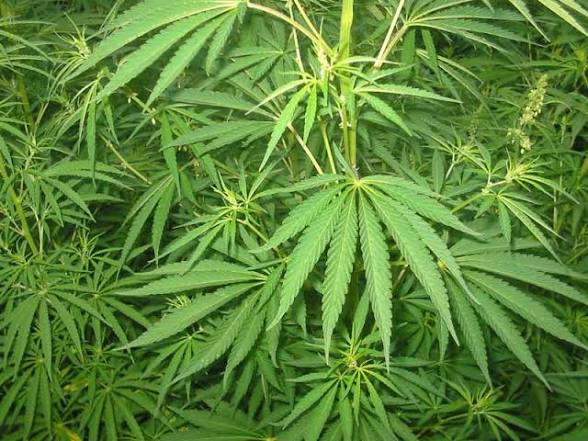
Sakon Nakhon has fertile land and a strong agricultural heritage, making it suitable for growing various crops, including cannabis under legal frameworks. Some farmers see cannabis as an alternative cash crop, especially as traditional farming becomes less profitable.
However, cultivation here is not driven by large-scale commercial ambitions. Instead, it is often:
- Small plots managed by individual farmers
- Cooperative projects linked to medical or research purposes
- Closely monitored to comply with regulations
Local authorities tend to emphasize education and compliance rather than punishment, reflecting the province’s preference for balance over conflict.
Economic Impact and Local Attitudes
Cannabis has sparked cautious economic interest in Sakon Nakhon. While it has not transformed the local economy, it has created small opportunities, such as:
- Supplementary income for farmers
- Jobs in processing, packaging, or research
- Increased interest in herbal and wellness products
Still, many residents remain hesitant. Older generations, in particular, worry about youth misuse and social consequences. Community leaders often stress responsible use, education, and respect for local values.
Cannabis and Tourism in Sakon Nakhon
Unlike major tourist destinations, Sakon Nakhon is not marketed as a cannabis tourism hotspot. Visitors come for religious pilgrimages, nature, and cultural experiences, not nightlife or party scenes.
Tourists who are curious about cannabis should be aware that discretion is essential. Loud behavior, public intoxication, or disrespect toward local customs can quickly lead to problems, even if cannabis itself is not illegal. In Sakon Nakhon, how you behave matters just as much as what you consume.
Community Concerns and Education
One of the biggest topics surrounding weed in Sakon Nakhon is education. Local schools, temples, and health centers emphasize:
- Keeping cannabis away from minors
- Understanding health effects and dosage
- Distinguishing between medical use and abuse
Monks and community elders often play a role in these discussions, framing cannabis as something that requires mindfulness and self-control.
The Future of Weed in Sakon Nakhon
Looking ahead, cannabis in Sakon Nakhon is likely to remain quiet and regulated rather than commercial and flashy. The province may continue exploring cannabis as:
- A medical resource
- An agricultural product
- A component of traditional Thai wisdom
Any growth will likely be slow, careful, and deeply influenced by community values. Rather than changing Sakon Nakhon, cannabis is being shaped by it.
Frequently Asked Questions (FAQs)
Is weed legal in Sakon Nakhon?
Cannabis laws apply nationally, so Sakon Nakhon follows Thailand’s regulations. Legal use is mainly tied to medical, health, and regulated purposes, with rules that can change over time.
Can tourists use cannabis in Sakon Nakhon?
Tourists should be extremely cautious. Even if cannabis is legally permitted, public use and disruptive behavior are socially unacceptable and may lead to trouble.
Are there cannabis shops everywhere in the province?
No. Sakon Nakhon has far fewer cannabis-related businesses compared to major cities. Access is limited and discreet.
Do locals support cannabis use?
Opinions are mixed. Some see benefits in medicine and farming, while others worry about social and moral impacts, especially on young people.
Is cannabis part of traditional Isan culture?
Historically, cannabis was used in traditional Thai medicine, including in Isan regions. However, it was never a major recreational substance in local culture.
Can farmers grow cannabis in Sakon Nakhon?
Yes, under specific legal and regulatory conditions. Most cultivation is small-scale and closely monitored.
Conclusion
Weed in Sakon Nakhon is not about trends or profit-driven hype. It is about balance—between old traditions and modern laws, economic opportunity and social responsibility. In this calm Isan province, cannabis exists quietly, shaped by respect for community, culture, and moderation.

Leave a Reply