
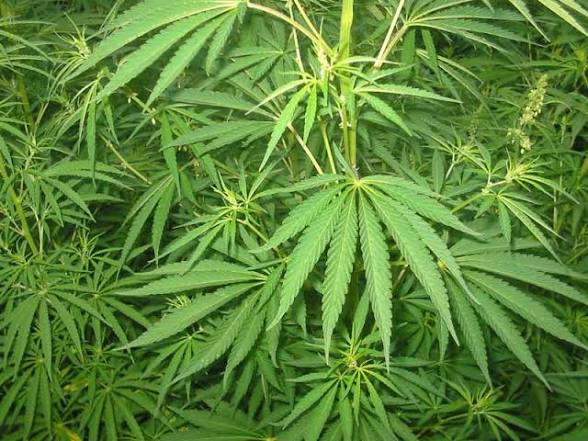
Weed in São Paulo: Culture, Law, and Everyday Reality
São Paulo is Brazil’s largest city and one of the most complex urban environments in the world. With its mix of cultures, music scenes, universities, and social movements, it’s no surprise that cannabis—often called maconha locally—has a visible presence in conversation, art, and public debate. Yet the reality of weed in São Paulo is shaped by a strict legal framework, social inequalities, and evolving attitudes that don’t always move at the same pace.
This article explores how cannabis fits into life in São Paulo, from legal status and cultural perceptions to public discussions about reform, without promoting or encouraging illegal activity.
Legal Status of Weed in São Paulo
Cannabis remains illegal for recreational use throughout Brazil, including São Paulo. Brazilian law does not clearly define a specific quantity that separates personal possession from trafficking. Instead, police and judges consider factors such as the amount, packaging, location, and the individual’s background.
Possession for personal use is not punished with prison, but it can still result in legal consequences. These may include warnings, community service, or mandatory educational measures. Trafficking, on the other hand, carries severe penalties, including long prison sentences. Because the line between “user” and “dealer” can be subjective, enforcement has often been criticized for inconsistency.
Medical cannabis occupies a different legal space. Products containing cannabis-derived compounds are allowed under strict regulations, typically requiring medical authorization and approval through health authorities. Access exists, but it is often expensive and bureaucratic.
Public Perception and Social Attitudes
Attitudes toward weed in São Paulo vary widely depending on age, neighborhood, and social background. Conversations about mental health, alternative medicine, and personal freedom have also influenced more open discussions.
At the same time, more conservative views remain strong. Many residents associate cannabis with crime, public disorder, or moral decline.
As a result, São Paulo lives with a dual reality: open conversations and advocacy in some spaces, and strong stigma and fear in others.
Cannabis and Urban Culture
São Paulo’s cultural diversity has played a major role in shaping how weed is discussed and portrayed. In music genres like rap, hip-hop, and reggae, cannabis frequently appears as a symbol of resistance, creativity, or social commentary. Street art and independent cinema have also reflected changing attitudes, often using cannabis as a way to question authority or highlight social inequality.
Public demonstrations advocating for cannabis reform, including annual marches, have taken place in the city. These events are usually framed around civil rights, public health, and the failures of punitive drug policies. While not universally supported, they have contributed to keeping the topic visible in mainstream media.
Law Enforcement and Inequality
One of the most sensitive issues surrounding weed in São Paulo is how the law is applied. Critics argue that cannabis laws disproportionately affect poorer communities and people of color. While cannabis use occurs across all social classes, arrests and harsh legal consequences are more common in marginalized neighborhoods.
This has fueled ongoing debates about whether current policies truly protect public safety or simply deepen social inequality. For many activists and researchers, cannabis reform is less about promoting use and more about reducing harm and injustice.
Medical Cannabis in São Paulo
Medical cannabis has gained more acceptance in recent years, especially for conditions such as chronic pain, epilepsy, and certain neurological disorders. São Paulo, as a medical and research hub, has been central to these discussions.
Doctors can prescribe cannabis-based products under regulated conditions, and patient advocacy groups have played a major role in pushing for clearer rules and broader access. Despite progress, many patients still face high costs and limited availability, making medical cannabis inaccessible for a large part of the population.
The Ongoing Debate About Legalization
Supporters argue that regulation could reduce organized crime, generate tax revenue, and allow better control over quality and access. They also point to public health approaches as more effective than punishment.
Opponents worry about increased consumption, public health risks, and the social impact of broader access. These concerns keep the debate highly polarized, with no immediate nationwide change in sight.
São Paulo often acts as a testing ground for new ideas in Brazil, so shifts in public opinion here may influence future national policies.
Everyday Reality for Residents and Visitors
For most people in São Paulo, cannabis is something they are aware of but cautious around. Public use is risky due to legal consequences and social judgment. Even those who personally support reform often keep their views private in professional or family settings.
Visitors may notice that cannabis is discussed more openly in some neighborhoods than others, but discretion remains common. The city’s size and diversity mean experiences can differ greatly from one area to another.
Looking Ahead
Weed in São Paulo sits at the intersection of tradition and change. While the law remains restrictive, public discussion is more open than ever before. Medical use, academic research, and social activism continue to push the conversation forward, even as enforcement and stigma remain realities of daily life.
The future of cannabis in São Paulo will likely depend on broader national decisions, but the city’s role as a cultural and political leader ensures it will remain central to the conversation.
FAQs
Is weed legal in São Paulo?
No. Recreational cannabis is illegal. Possession for personal use is not punished with prison but can still lead to legal penalties.
Can you go to jail for having weed in São Paulo?
Possession usually does not result in jail time, but trafficking charges can lead to severe prison sentences. The distinction is not clearly defined by quantity.
Is medical cannabis legal in São Paulo?
Yes, under strict regulations. Patients need proper medical authorization, and access can be limited and costly.
Is public opinion changing about weed in São Paulo?
Yes. Younger generations and advocacy groups are increasingly open to reform, though conservative views remain influential.
Are there legal cannabis shops in São Paulo?
No. There are no legal recreational cannabis dispensaries in the city.
Is São Paulo leading cannabis reform in Brazil?
São Paulo plays an important role in public debate and activism, but national laws apply across Brazil, and major reforms would need federal approval.

Leave a Reply