
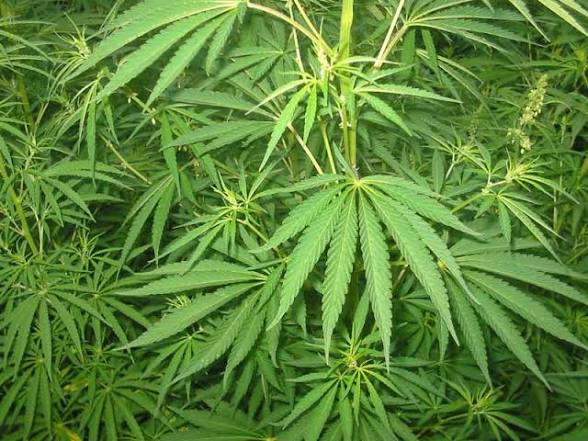
Weed in Tarapoto: A Local Perspective on Cannabis in Peru’s Jungle City
Tarapoto, often called the “City of Palms,” sits at the edge of the Peruvian Amazon and is known for its warm climate, lush surroundings, waterfalls, and a relaxed rhythm of life. Visitors come for nature, food, and culture—but like in many parts of Peru, curiosity sometimes extends to cannabis. Understanding weed in Tarapoto requires separating myths from reality, knowing the law, and appreciating the local social context.
This article offers a clear, human-readable overview of cannabis in Tarapoto, focusing on legality, cultural attitudes, risks, and what travelers and residents should realistically expect—without promoting illegal activity.
Tarapoto and Its Cultural Setting
Tarapoto is not a major metropolis like Lima or Cusco. It’s a regional hub with a strong sense of community, traditional values, and growing tourism. The city blends indigenous Amazonian heritage with modern Peruvian life. While it has a youthful population and backpacker presence, it is still conservative compared to larger urban centers.
Because of this, cannabis culture in Tarapoto is mostly underground and discreet. Unlike cities with visible nightlife districts or alternative scenes, weed use here tends to stay private.
Legal Status of Cannabis in Peru
Cannabis laws in Peru apply equally in Tarapoto as they do elsewhere in the country.
Personal possession of small amounts for personal use is technically decriminalized under Peruvian law, but this does not mean cannabis is legal. The law allows possession of up to a very limited quantity without criminal charges, yet police interpretation and enforcement can vary widely.
Key legal points include:
- Sale, distribution, and cultivation of cannabis are illegal
- Public consumption is prohibited
- Police have broad discretion during stops and searches
- Medical cannabis is legal only with official authorization and prescriptions
How Weed Is Viewed in Tarapoto
Local attitudes toward cannabis in Tarapoto are generally cautious. Many residents associate weed with crime or negative influences rather than recreation or wellness. While younger locals may be more open-minded, public acceptance remains limited.
Open discussion of cannabis is uncommon, and visible use can attract unwanted attention. Compared to coastal cities or tourist-heavy destinations, Tarapoto is less tolerant of overt drug culture.
Availability and Reality on the Ground
Cannabis is not openly available in Tarapoto. There are no dispensaries, coffee shops, or legal retail spaces. Any cannabis found in the city exists through informal, illegal channels.
Quality and consistency vary widely. Because of the region’s climate, poorly stored cannabis can degrade quickly. Products are often untested, unregulated, and sometimes mixed with contaminants.
For visitors, attempting to seek weed often involves:
- Language barriers
- Risk of scams
- Police scrutiny
- Safety concerns
Many travelers underestimate these risks, assuming Tarapoto operates like more liberal destinations. In reality, discretion and caution dominate local behavior.
Law Enforcement and Risk Factors
Police presence in Tarapoto is noticeable, especially in central areas, markets, and transit hubs. While officers may prioritize serious crime, drug-related stops still occur.
Foreigners can face added scrutiny due to:
- Lack of local knowledge
- Assumptions about tourism-related drug use
- Misunderstanding legal boundaries
Even if possession does not lead to formal charges, interactions can be stressful, time-consuming, and costly.
Medical Cannabis in Peru
Peru legalized medical cannabis under strict regulations.
Self-medicating with unregulated cannabis does not qualify as legal medical use.
Social Spaces and Consumption
Public consumption of weed is strongly discouraged. Smoking in parks, streets, hostels, or near tourist attractions can result in complaints or police involvement.
Private residences offer more privacy, but even then, discretion is essential. Odor travels easily in the warm, humid climate, and neighbors may not be tolerant.
Most locals who use cannabis do so quietly and selectively, often within trusted circles.
Tourism and Cannabis Myths
Some travelers assume that because Tarapoto is near the Amazon, drug enforcement is relaxed. This is a misconception. While the region faces challenges related to illicit crops historically, local authorities are sensitive to drug-related issues.
Cannabis is not part of Tarapoto’s tourism identity.
Harm Reduction and Practical Awareness
Without encouraging illegal behavior, it’s important to emphasize harm reduction and awareness:
- Understand local laws before traveling
- Avoid public or visible use
- Do not assume tolerance based on other destinations
- Be cautious of misinformation from strangers
Respect for local norms goes a long way in avoiding problems.
The Future of Cannabis in Tarapoto
Peru’s cannabis policy continues to evolve slowly, particularly around medical use. However, widespread legalization or decriminalization beyond limited possession is unlikely in the near future.
In Tarapoto, cultural conservatism and regional priorities mean cannabis reform is not a local focus. Any future changes will likely come from national legislation rather than local initiatives.
FAQs About Weed in Tarapoto
Is weed legal in Tarapoto?
No. Cannabis is illegal in Tarapoto.
Can tourists possess cannabis in Tarapoto?
Tourists are subject to the same laws as locals. Possession can still result in police action, especially if circumstances are unclear.
Is medical cannabis available in Tarapoto?
Medical cannabis is legal in Peru under strict conditions, but access in Tarapoto is limited and uncommon.
Is it safe to smoke weed in public areas?
No. Public consumption is illegal and can lead to fines, questioning, or arrest.
How do locals generally feel about cannabis?
Most locals are cautious or conservative about weed. Open use is not socially accepted.
Are there dispensaries or legal shops?
No. There are no legal cannabis dispensaries in Tarapoto.
Do police enforce cannabis laws strictly?
Enforcement varies, but police have broad discretion. Foreigners may face additional scrutiny.
Is Tarapoto cannabis-friendly compared to other cities?
No. Tarapoto is more conservative than many tourist-heavy Peruvian cities.
Final Thoughts
Weed in Tarapoto exists quietly, shaped by strict laws, cultural caution, and limited access. For those living in or visiting the city, understanding the legal and social environment is essential. Tarapoto’s real appeal lies in its natural beauty, warm people, and jungle experiences—not cannabis culture.
Respecting local norms and focusing on what makes the region unique ensures a safer, more rewarding experience in this vibrant Amazonian city.

Leave a Reply