
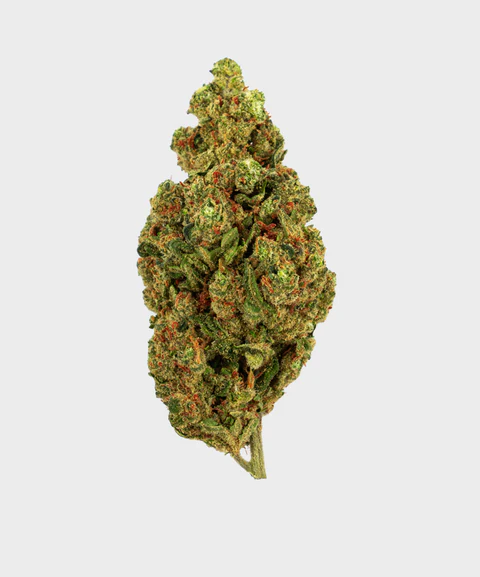
Weed in Yala: Culture, Law, Reality, and Changing Attitudes
Yala, a southern province of Thailand known for its deep cultural roots, natural beauty, and complex social fabric, has recently found itself part of a much larger national conversation: cannabis. Often associated with border traditions, agriculture, and traditional medicine, weed in Yala carries meanings that go far beyond recreation. Understanding cannabis in Yala requires looking at its legal status, cultural background, public perception, and the realities faced by locals today.
A Brief Context: Yala and Its Identity
Yala is unique. Located near the Malaysian border, it has a predominantly Muslim population, strong local traditions, and a history shaped by trade, religion, and agriculture. Unlike Thailand’s tourist-heavy provinces, Yala remains quieter and more conservative in lifestyle. This directly affects how cannabis is viewed and used.
While weed may be openly discussed in some Thai cities, in Yala it is approached with caution. Social norms, religious values, and security concerns all influence how people talk about and interact with cannabis.
Traditional Uses of Cannabis in Southern Thailand
Long before modern legalization debates, cannabis existed in traditional Thai life. In southern regions, including areas around Yala, cannabis was historically used in small amounts for:
- Herbal medicine
- Pain relief
- Appetite stimulation
- Traditional remedies for fatigue or stress
These uses were largely practical, not recreational. Elders and traditional healers treated cannabis as one plant among many, prepared carefully and consumed respectfully. This historical context is important, as it contrasts sharply with modern stereotypes associated with weed culture.
Legal Status of Weed in Yala
Cannabis laws in Thailand have changed significantly in recent years, and Yala follows national regulations rather than having province-specific laws.
Cannabis extracts with high THC content, unauthorized sales, and public nuisance related to intoxication may still result in penalties.
In Yala, enforcement is often more cautious and conservative compared to urban centers. Local authorities tend to prioritize community harmony, public order, and religious sensitivity.
Social and Religious Perspectives
Religion plays a major role in shaping attitudes toward weed in Yala. Many residents follow Islamic teachings, which emphasize clarity of mind and avoidance of intoxicants. As a result:
- Recreational cannabis use is often frowned upon
- Public consumption is socially unacceptable
- Drug-related behavior may attract strong community disapproval
That said, views are not monolithic. Some younger residents see cannabis as a medical or economic opportunity rather than a moral issue. Others differentiate between medicinal use and recreational misuse.
Cannabis and Youth in Yala
One of the biggest concerns surrounding weed in Yala relates to young people. Parents, educators, and religious leaders worry about:
- Early exposure
- Impact on mental health
- Disruption of education and discipline
Because Yala already faces social challenges linked to security and economic development, many community leaders prefer a cautious approach.
Education campaigns in the region tend to focus on prevention, responsible behavior, and awareness of long-term effects rather than promotion or normalization.
Economic Potential and Agriculture
Cannabis has created economic opportunities in various parts of Thailand, particularly for farmers shifting away from less profitable crops. In theory, Yala’s climate could support cannabis cultivation. However, in practice, several barriers exist:
- Strict licensing requirements
- Community resistance
- Religious and cultural concerns
- Fear of negative attention from authorities
Small-scale legal cultivation may exist, but it remains low-profile and tightly controlled.
Public Use and Local Reality
Unlike major tourist destinations, Yala does not have visible cannabis shops, lounges, or open consumption areas. Weed use, where it occurs, tends to be:
- Private
- Discreet
- Limited to trusted social circles
Public behavior that appears intoxicated can quickly attract scrutiny. Locals are generally aware that discretion is critical, regardless of legal changes at the national level.
Visitors often misunderstand this dynamic, assuming that nationwide cannabis reforms apply uniformly. In Yala, respect for local norms is essential.
Law Enforcement and Community Balance
Law enforcement in Yala operates within a sensitive environment. Maintaining order, trust, and cooperation with the community is a priority. Cannabis-related issues are often handled with:
- Warnings rather than immediate punishment
- Emphasis on education
- Case-by-case judgment
However, trafficking, unlicensed sales, or behavior linked to broader criminal activity is taken seriously. Authorities are particularly alert to activities that could destabilize social harmony.
Changing Attitudes and the Future
Attitudes toward weed in Yala are slowly evolving. Younger generations, exposure to national media, and changing laws have prompted new conversations. Still, change happens cautiously.
Possible future trends include:
- Expanded medical cannabis awareness
- Increased education rather than enforcement
- Careful integration of cannabis into regulated healthcare
- Continued resistance to recreational normalization
Yala’s path regarding cannabis will likely remain different from tourist-driven or urban provinces. Any change must align with local values, religious beliefs, and long-term stability.
Respecting Local Culture Matters
Ultimately, weed in Yala is not just a legal issue—it is a cultural one. Understanding the province means recognizing that legality does not always equal acceptance. What may be tolerated elsewhere may be sensitive here.
Whether someone is a resident, researcher, or visitor, respect for Yala’s traditions, beliefs, and social norms is essential when discussing or dealing with cannabis.
Frequently Asked Questions (FAQs)
Is weed legal in Yala?
Cannabis legality in Yala follows Thailand’s national laws. Certain uses are permitted, but regulations still apply, and enforcement can be stricter due to local norms.
Can tourists use cannabis openly in Yala?
No. Open or public use is strongly discouraged and may result in social or legal issues. Discretion and respect are essential.
Is cannabis accepted culturally in Yala?
Acceptance is limited. Religious beliefs and conservative values mean cannabis use is often socially frowned upon, especially for recreational purposes.
Is medical cannabis available in Yala?
Medical cannabis awareness exists, but access is more limited compared to major cities. It is typically handled through formal healthcare channels.
Are there cannabis shops in Yala?
Yala does not have a visible cannabis retail scene. Any legal activity remains low-key and regulated.
Does law enforcement strictly punish cannabis users?
Minor cases may be handled with warnings or education, but serious offenses such as unlicensed sales or trafficking are treated seriously.
Will cannabis farming grow in Yala?
Large-scale growth is unlikely in the near future due to cultural, religious, and regulatory challenges.
If you want this article rewritten for SEO, localized further, or adjusted in tone (neutral, academic, or lifestyle), just let me know.

Leave a Reply