Weed in Trang: Culture, Law, and Local Realities
Trang, a peaceful province on Thailand’s Andaman coast, is better known for its emerald islands, rubber plantations, and slow-paced southern lifestyle than for cannabis. Yet, as Thailand’s cannabis landscape has shifted in recent years, weed has also found a place in Trang—quietly, cautiously, and in a way that reflects local values. Understanding weed in Trang requires looking beyond headlines and into the social fabric, legal boundaries, and everyday attitudes of the people who live there.
A Brief Background of Cannabis in Thailand
Cannabis has a long, complicated history in Thailand. For centuries, it appeared in traditional medicine and folk remedies. During the 20th century, strict drug laws pushed it into illegality, shaping generations of cautious attitudes. Recent reforms changed that image, allowing cannabis to re-emerge under regulation. However, Thailand’s approach remains conservative compared to some Western countries, and this conservatism is especially visible in provinces like Trang.
Trang is not a party destination. It values privacy, respect, and harmony. Cannabis exists here, but it adapts to local culture rather than reshaping it.
Legal Status and Practical Reality in Trang
National laws determine legality, so Trang follows the same framework as the rest of Thailand. Cannabis cultivation and sale exist under government oversight, while recreational use remains a sensitive area.
In practical terms, weed in Trang is treated with discretion. Public consumption is frowned upon, and authorities take complaints seriously, especially if cannabis use causes disturbance or discomfort to others. This means that while cannabis may be available, it is not openly celebrated or advertised in everyday life.
For residents, the message is clear: legality does not mean freedom to behave without limits. Respect for community standards is essential.
Availability: Low-Key and Local
Compared to larger cities or tourist hubs, Trang’s cannabis presence is minimal. There are no flashy neon signs or cannabis-themed cafes on every street. Instead, access is subtle.
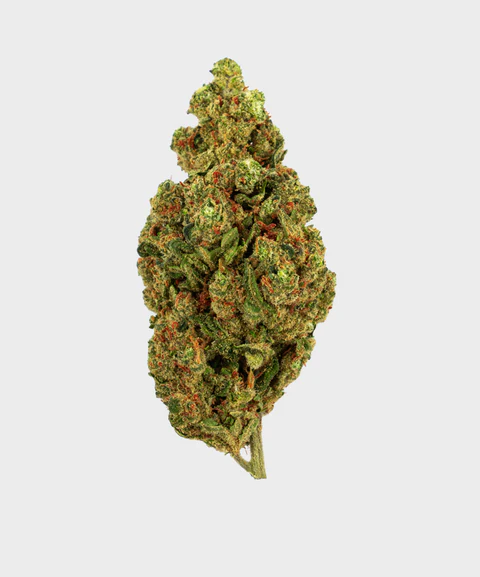
Local growers and small-scale sellers dominate the scene. Products are usually basic: dried flower, sometimes oils or simple extracts. High-end branding and exotic strains are rare. This suits Trang’s character—a province that prefers practicality over excess.
Visitors searching aggressively for weed may find Trang surprisingly quiet. That calm, however, is intentional and deeply rooted in local attitudes toward moderation.
Cultural Attitudes Toward Weed
Trang is culturally conservative, influenced by both Buddhist and Muslim communities. These traditions emphasize discipline, clarity of mind, and social responsibility.
Cannabis, therefore, is often viewed as medicine or a private indulgence rather than a lifestyle symbol. Many older residents associate it with past stigma or see it as something that should be approached carefully. Younger locals may be more open-minded, but even they tend to value discretion.
The idea of smoking weed openly in public spaces clashes with Trang’s social norms. Those who use cannabis typically do so quietly, at home, and without drawing attention.
Medical Use and Traditional Perspectives
Medical cannabis has gained more acceptance in Trang than recreational use. Some local people view it as an extension of herbal medicine, similar to traditional Thai remedies.
Patients dealing with chronic pain, insomnia, or appetite issues sometimes turn to cannabis-based solutions. This usage is often discussed in practical terms rather than ideological ones. The focus is on relief and function, not recreation.
In this sense, Trang represents a medical-first mindset when it comes to cannabis.
Weed and Tourism in Trang
Trang is not a cannabis tourism hotspot. Travelers come for island-hopping, local food, and nature rather than nightlife or alternative culture.
Tourists who assume the relaxed beach atmosphere equals relaxed cannabis rules may be disappointed. Hotels and guesthouses often have strict no-smoking policies, and locals may be uncomfortable with visible cannabis use.
For travelers, the safest approach is cultural sensitivity. Treat Trang as a place to slow down, not to experiment publicly.
Economic Impact on Local Communities
Cannabis has created some small economic opportunities in Trang, particularly for farmers interested in alternative crops. However, rubber and palm remain far more important to the local economy.
Because of regulatory costs and conservative demand, cannabis cultivation in Trang stays relatively small. It supplements incomes rather than transforming livelihoods. This limited scale helps explain why cannabis culture here feels quieter and less commercial.
Social Responsibility and Community Harmony
Trang places high value on community peace. Behavior that disrupts others—noise, intoxication in public, or disrespect for elders—is strongly discouraged.
Cannabis users who understand and respect these values tend to coexist peacefully with non-users. Problems arise only when boundaries are crossed. As a result, responsible use is not just recommended; it is socially enforced.
The Future of Weed in Trang
Looking ahead, weed in Trang is likely to remain modest in presence. While national policies may evolve, local attitudes will continue to shape how cannabis fits into daily life.
Trang’s future with cannabis is not about rapid growth or cultural revolution. It is about balance—allowing limited access while preserving the province’s calm identity. Those who understand this will find Trang welcoming; those who ignore it may not.
FAQs About Weed in Trang
Is weed legal in Trang?
Trang follows Thailand’s national cannabis laws. Legal access exists under regulation, but recreational use remains sensitive, especially in public spaces.
Can tourists easily find weed in Trang?
Not easily. Availability is limited and low-key compared to major tourist areas. Trang is not designed for cannabis tourism.
Is it okay to smoke weed in public?
No. Public consumption is socially discouraged and may attract legal or community consequences.
Do locals in Trang use cannabis?
Some do, mostly privately. Medical or practical use is more accepted than recreational use.
Are cannabis shops common in Trang?
No. Dedicated cannabis shops are rare, and there is little visible advertising.
Is medical cannabis respected in Trang?
Yes. Many residents see medical cannabis as similar to traditional herbal medicine when used responsibly.
Will weed culture grow in Trang in the future?
Growth is expected to remain slow and controlled, shaped by conservative local values.
Conclusion
Weed in Trang exists quietly, shaped by tradition, law, and respect for community harmony. It is neither celebrated nor aggressively opposed—it simply occupies a cautious middle ground. For anyone interested in cannabis here, understanding local culture matters more than understanding cannabis itself. In Trang, discretion is not just polite—it is essential.

Leave a Reply