
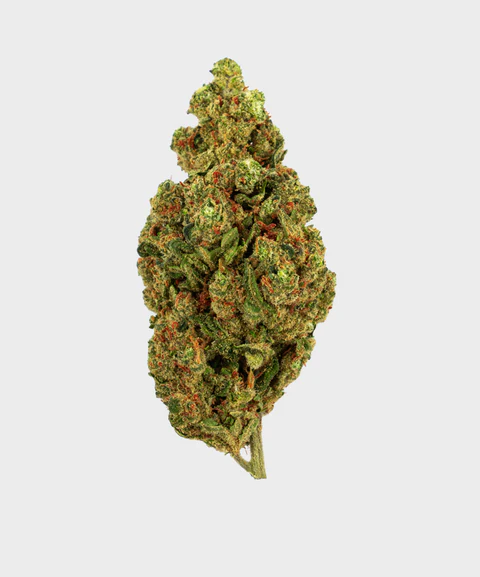
Weed in Delhi: Laws, Culture, Reality, and Risks
Delhi, India’s capital city, is a place where ancient traditions coexist with modern lifestyles. Among the many topics that spark curiosity for residents, tourists, and students alike is cannabis, commonly referred to as weed. While India has a long and complex historical relationship with cannabis, its legal status and real-world presence in Delhi remain widely misunderstood. This article explores weed in Delhi from legal, cultural, social, and practical perspectives—without promoting or encouraging illegal activity.
Historical Background of Cannabis in India
Cannabis has been used in India for thousands of years. Ancient texts, religious rituals, and traditional medicine systems mention cannabis in various forms. Substances like bhang, made from cannabis leaves, have long been consumed during festivals such as Holi and Maha Shivratri. Historically, cannabis was not seen as taboo but rather as a plant with spiritual, medicinal, and recreational significance.
This long-standing acceptance changed significantly in the late 20th century when modern drug control laws were introduced, aligning India with international drug control conventions. These laws reshaped how cannabis is viewed and regulated today, especially in major cities like Delhi.
Legal Status of Weed in Delhi
Weed is illegal in Delhi under Indian law. The Narcotic Drugs and Psychotropic Substances (NDPS) Act of 1985 criminalizes the production, possession, sale, and consumption of cannabis resin (charas) and cannabis flowers (ganja).
However, the law makes a distinction between different parts of the cannabis plant:
- Charas and ganja: Illegal
- Bhang (made from leaves): Legal in some states, including Delhi, under government regulation
This distinction often causes confusion. While bhang can be sold at licensed government shops, smoking or possessing weed in the form of ganja or charas can result in legal consequences.
Penalties for Weed in Delhi
Punishments depend on the quantity involved:
- Small quantity: May lead to a fine, imprisonment, or both
- Larger quantities: Can result in several years of imprisonment and heavy fines
Law enforcement in Delhi actively enforces these laws, particularly in public areas and during festivals or special operations.
Weed Culture in Delhi
Despite strict laws, weed culture exists discreetly in Delhi. The city’s massive population, student communities, and nightlife contribute to underground cannabis use. However, unlike cities where cannabis is legalized or decriminalized, Delhi’s weed culture is hidden and cautious.
Public consumption is rare due to the risk of police action. People who choose to use cannabis usually do so in private spaces, fully aware of the legal risks involved.
Bhang: A Legal Exception
Bhang is the only cannabis-related substance legally available in Delhi. It is typically sold through government-authorized shops and consumed in edible or drinkable forms. During festivals like Holi, bhang consumption becomes socially visible and culturally accepted.
It is important to note that bhang still contains THC and can cause psychoactive effects. Overconsumption can lead to anxiety, nausea, and disorientation, especially for those unfamiliar with its potency.
Law Enforcement and Reality on the Ground
Delhi Police regularly conduct checks and patrols, especially in areas known for nightlife or student activity. Possession, even in small amounts, can lead to questioning, detention, or arrest.
While enforcement intensity may vary depending on location and circumstance, relying on “unofficial leniency” is risky. The law gives authorities broad powers, and outcomes can depend on factors such as quantity, behavior, and prior records.
Social Attitudes Toward Weed
Social acceptance of weed in Delhi is mixed. Older generations often associate cannabis with criminal behavior or moral decline, while younger people may view it as a recreational substance similar to alcohol.
Media discussions and public debates around legalization have increased in recent years, especially due to global trends. Still, cannabis remains stigmatized in many families and professional environments.
Health and Safety Considerations
Cannabis affects individuals differently. Potential short-term effects include:
- Altered perception
- Impaired memory and coordination
- Anxiety or paranoia
Long-term or heavy use may impact mental health, motivation, and cognitive function. In a city like Delhi, where pollution, stress, and fast-paced lifestyles already strain health, substance use can amplify negative effects.
Driving or operating machinery under the influence is particularly dangerous and illegal.
Medical Cannabis in India
Medical cannabis is a developing topic in India. While some Ayurvedic formulations derived from cannabis are legal and regulated, access to THC-rich medical cannabis remains limited.
Research and advocacy continue, but as of now, Delhi does not offer a legal framework for recreational or broadly accessible medical marijuana.
The Future of Weed in Delhi
Conversations around cannabis reform are growing louder in India. Advocates argue for regulation, taxation, and harm reduction rather than criminalization. Opponents cite public health and social concerns.
While no immediate legal changes appear imminent, awareness and dialogue continue to evolve. For now, weed remains illegal in Delhi, and anyone living in or visiting the city should respect local laws.
FAQs About Weed in Delhi
Is weed legal in Delhi?
No. Ganja and charas are illegal under Indian law. Only bhang made from cannabis leaves is legally sold through licensed shops.
Can tourists legally consume cannabis in Delhi?
Tourists are subject to the same laws as residents. Possessing or consuming weed can result in legal consequences.
Is bhang safe to consume?
Bhang is legal when purchased from authorized sellers, but it is still psychoactive. Consumption should be cautious, especially for first-time users.
What happens if you’re caught with weed in Delhi?
Penalties depend on the quantity and circumstances. Consequences can include fines, arrest, and imprisonment.
Is medical marijuana legal in Delhi?
Only limited cannabis-based Ayurvedic products are legal. Recreational or prescription-style medical marijuana is not legally available.
Is weed culture visible in Delhi?
Not openly. Due to strict laws, cannabis use remains discreet and largely hidden.
Are laws likely to change soon?
There is ongoing debate, but no confirmed timeline for legalization or decriminalization in Delhi.
Final Thoughts
Weed in Delhi exists in a complex space between history, law, culture, and modern debate. While cannabis has deep roots in Indian tradition, today’s legal framework treats most forms of it as a serious offense. Understanding the distinction between cultural practices like bhang and illegal cannabis products is crucial.
For residents and visitors alike, awareness, caution, and respect for local laws are essential. Until regulations change, cannabis in Delhi remains a topic best approached with knowledge rather than assumptions.

Leave a Reply