
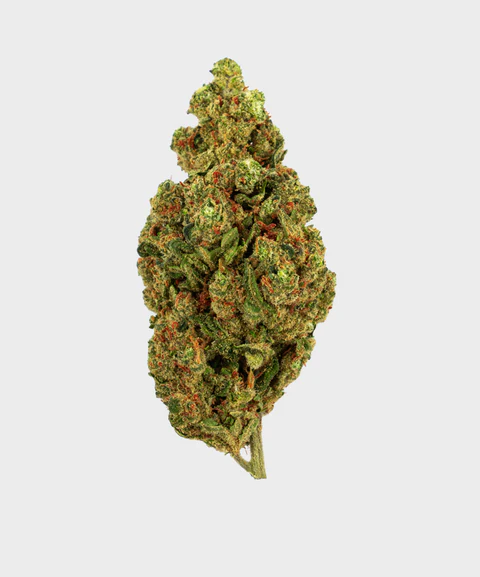
Weed in Kigali: Laws, Culture, Risks, and Realities
Kigali, the capital of Rwanda, is often praised as one of Africa’s cleanest, safest, and most organized cities. With its rolling hills, orderly streets, and strong emphasis on discipline and law, Kigali offers a very different environment compared to many global cities. When it comes to weed (cannabis), the situation in Kigali is strict, sensitive, and often misunderstood by outsiders. Understanding the legal framework, cultural attitudes, and real risks is essential for anyone living in or visiting the city.
Legal Status of Weed in Kigali
Weed is illegal in Kigali and throughout Rwanda. Rwandan law does not distinguish between recreational and medicinal cannabis for public use. Possession, use, cultivation, and distribution are all criminal offenses under national law.
Penalties can be severe. Even small amounts intended for personal use can lead to arrest, fines, imprisonment, or mandatory rehabilitation programs. There is little tolerance, and enforcement does not rely on warnings or informal settlements.
While Rwanda has explored industrial hemp for economic purposes under controlled government programs, this does not translate into legal access for individuals. Any cannabis-related activity outside approved state projects is illegal.
Law Enforcement and Policing
Kigali has a strong police presence and extensive surveillance infrastructure. Security cameras, neighborhood patrols, and community reporting systems make it difficult to engage in illegal activities unnoticed.
Random searches, stop-and-check procedures, and tip-offs from residents are common. Tourists are not exempt from enforcement, and foreign nationality does not offer protection. In fact, visitors caught with weed may face additional consequences, including deportation after serving penalties.
Police corruption related to drug enforcement is rare compared to many regions. Attempting to bribe law enforcement can worsen the situation and lead to additional charges.
Weed Culture in Kigali
There is no open weed culture in Kigali. Unlike cities where cannabis use is visible in nightlife, music scenes, or cafés, Kigali keeps such activities underground. Public consumption is virtually nonexistent due to strict laws and strong social disapproval.
Cannabis use does exist in small, hidden circles, mostly among certain youth groups or individuals influenced by foreign culture. However, these groups operate discreetly, and trust is essential. Even within these circles, fear of legal consequences remains high.
Most Rwandans associate weed with crime, indiscipline, or moral decline. Open discussion or casual jokes about cannabis are uncommon and often frowned upon.
Social Attitudes and Stigma
Rwandan society places a strong emphasis on order, responsibility, and collective well-being. Drug use, including weed, is often viewed as a threat to social stability. Families and communities may strongly discourage or report individuals involved in drug use.
The stigma surrounding weed can have lasting consequences beyond legal trouble. Arrests can affect employment opportunities, education, and social standing. Rehabilitation programs are sometimes used, but these are still part of a punitive framework rather than a harm-reduction approach.
For young people, being associated with cannabis can result in exclusion from schools or youth programs. For professionals, it can mean job loss or damaged reputations.
Availability and Quality
Weed in Kigali is not easily accessible. There are no open markets, street dealers, or visible hotspots. Because cannabis is illegal, there is no quality control, dosage regulation, or safety oversight. This increases health risks for users.
Prices are often high relative to quality due to scarcity and risk. Buyers also face the constant danger of scams, informants, or police involvement.
Health and Safety Concerns
Beyond legal risks, cannabis use in Kigali carries significant health and safety concerns. Without regulation, users cannot be sure of what they are consuming. Adulterants or harmful substances may be present.
This discourages people from seeking assistance when needed.
Mental health stigma also plays a role. Cannabis-induced anxiety or psychosis may go untreated due to fear of judgment or punishment.
Weed and Tourists
Tourists sometimes assume that African countries are more relaxed about drugs. In Kigali, this assumption can lead to serious trouble. Weed possession can result in detention, legal proceedings, and significant disruption to travel plans.
Hotels, guesthouses, and hosts are unlikely to tolerate drug use on their premises. Staff may report suspicious behavior to authorities to protect their licenses and reputations.
Visitors are strongly advised to respect local laws and cultural norms. What might be acceptable or decriminalized elsewhere can have serious consequences in Rwanda.
Future Outlook
Government priorities focus on public health, discipline, and national development rather than liberal drug policies.
Any future changes are likely to be slow and tightly controlled. Industrial hemp may expand under state oversight, but recreational cannabis legalization does not appear imminent.
For now, Kigali remains one of the strictest environments in Africa regarding cannabis enforcement.
FAQs About Weed in Kigali
Is weed legal in Kigali?
No. Weed is illegal in Kigali and all of Rwanda. Possession, use, cultivation, and sale are criminal offenses.
Can tourists use weed in Kigali?
No. Tourists are subject to the same laws as residents and can face arrest, fines, imprisonment, and deportation.
Is medicinal cannabis allowed?
There is no legal framework allowing individuals to use medicinal cannabis in Rwanda.
Are there dispensaries in Kigali?
No. There are no legal dispensaries or cannabis shops of any kind.
How strict is law enforcement?
Very strict. Police actively enforce drug laws, and surveillance is extensive.
Is weed easy to find in Kigali?
No. Availability is limited, hidden, and risky, with poor quality and high legal danger.
What happens if you’re caught with weed?
Consequences can include arrest, court proceedings, fines, imprisonment, rehabilitation programs, and long-term social impact.
Is public smoking tolerated?
No. Public smoking of weed is extremely risky and almost guaranteed to lead to arrest.
Are attitudes changing?
Not significantly. Social stigma and government policy remain strongly against cannabis use.
Conclusion
Weed in Kigali exists on the margins of society, heavily restricted by law, culture, and enforcement. The risks—legal, social, and personal—far outweigh any perceived benefits. For residents and visitors alike, understanding and respecting Rwanda’s strict stance on cannabis is essential for staying safe and avoiding serious consequences.
13 thoughts on “weed in Kigali”