
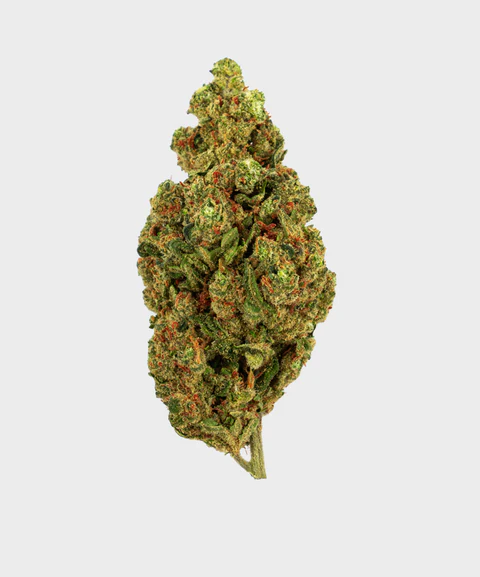
Weed in Quito: Laws, Culture, and What to Know
Quito, Ecuador’s capital, is a city of contrasts—historic churches beside modern cafés, Andean traditions alongside global influences. Conversations about cannabis, often called weed or marijuana, reflect that same mix of tradition, caution, and slow change. While cannabis is discussed more openly than it was a decade ago, the legal and cultural realities in Quito remain complex. Understanding the law, social attitudes, and risks is essential for residents and visitors alike.
Legal Status of Weed in Quito
In Ecuador, cannabis is illegal for recreational use, and this applies fully in Quito. However, the country’s laws distinguish between small amounts intended for personal consumption and larger quantities linked to trafficking. Ecuador decriminalized possession of very small amounts of drugs for personal use, including cannabis, but this does not mean weed is legal.
Authorities use quantity thresholds to determine intent. Possession above the allowed personal limit can result in serious criminal charges, including prison time. Even possession below the threshold can still lead to confiscation, questioning, or temporary detention, depending on circumstances and enforcement discretion.
Medical cannabis, on the other hand, has seen limited legalization in recent years. Certain cannabis-derived products, particularly those low in THC, are permitted for medical and therapeutic purposes under strict regulation. These products must comply with government approvals and are not the same as freely available recreational weed.
In short, while Ecuador has softened some penalties, weed in Quito remains largely illegal, and the law is enforced.
Enforcement and Policing
Law enforcement in Quito takes drug laws seriously, especially in public spaces, tourist areas, and nightlife districts. Police patrols are common in the historic center, Mariscal, and transportation hubs. If found with cannabis, individuals may face questioning, searches, and confiscation, even if the amount appears small.
Foreigners are not exempt from local laws. In fact, tourists can face additional complications such as immigration issues or embassy involvement. Bribery attempts or arguments with police can worsen a situation significantly.
Because enforcement can vary, relying on “street advice” or anecdotal stories is risky. What one person gets away with may result in penalties for another.
Social Attitudes Toward Cannabis
Culturally, Ecuador remains conservative compared to some North American or European countries. Older generations often associate cannabis with serious criminality, while younger urban residents tend to hold more nuanced views.
In Quito, conversations about weed are more common in private settings than in public. Some students, artists, and professionals discuss legalization and harm reduction, but open use is generally frowned upon. Smoking cannabis in public spaces can attract negative attention not only from police but also from local residents.
That said, attitudes are slowly shifting. Global discussions about medical cannabis, mental health, and personal freedom have influenced urban youth. Still, discretion is the norm, and public advocacy remains limited.
Medical Cannabis in Ecuador
Medical cannabis represents the most legally accepted form of cannabis use in Quito. Ecuador allows certain cannabis-based products, mainly oils and extracts with controlled THC levels, for medical use. These are typically prescribed for conditions such as chronic pain, epilepsy, or anxiety-related disorders.
Patients must follow official channels, and products are regulated. Home growing for medical purposes is not widely permitted, and recreational use disguised as “medical” can still lead to legal trouble.
The medical cannabis industry in Ecuador is small but growing, with increasing interest from patients and healthcare professionals.
Risks of Cannabis Use in Quito
Using weed in Quito carries several risks:
- Legal consequences – Even small amounts can lead to police encounters or legal issues.
- Product quality – Illegal cannabis is unregulated, which means unknown potency or contamination.
- Social consequences – Public use can result in stigma or conflict with locals.
- Travel complications – Drug-related issues can affect visas, travel plans, or future entry into the country.
Altitude can also intensify the effects of cannabis. Quito sits over 2,800 meters above sea level, and newcomers may already experience dizziness or fatigue. Combining that with cannabis can amplify discomfort.
Weed and Tourism in Quito
Tourism is a major part of Quito’s economy, but cannabis is not part of the city’s tourist identity. Unlike places known for cannabis culture, Quito offers history, cuisine, landscapes, and culture—not legal weed experiences.
Visitors sometimes assume relaxed enforcement based on stories from other countries, but this is a mistake. Drug tourism is discouraged, and authorities are alert to it. Respecting local laws and customs is essential for a safe visit.
The Future of Cannabis in Ecuador
Debates about cannabis policy continue in Ecuador. Some activists argue for broader decriminalization, regulation, and education, pointing to potential economic and health benefits. Others worry about social harm and increased drug use.
For now, any major shift toward legalization remains uncertain. Changes, if they come, are likely to be gradual and tightly regulated. Until then, weed in Quito stays in a legal gray zone at best and illegal at worst.
Harm Reduction and Responsible Awareness
While this article does not promote illegal activity, awareness is important. Understanding the law, respecting local culture, and prioritizing personal safety are key. In Quito, discretion and caution are essential, and abstaining is the safest legal choice.
FAQs About Weed in Quito
Is weed legal in Quito?
No. Recreational cannabis is illegal in Quito and throughout Ecuador.
Is possession decriminalized?
Small amounts for personal use may be decriminalized, but this does not make cannabis legal. Police can still confiscate it and question you.
Can tourists use weed in Quito?
Tourists are subject to the same laws as locals. Using or possessing weed can lead to legal and immigration issues.
Is medical marijuana allowed in Ecuador?
Yes, certain regulated cannabis-derived products are allowed for medical use under strict rules.
Can you smoke weed in public in Quito?
No. Public use is risky and can result in police action and social backlash.
Is weed easy to find in Quito?
Availability does not mean legality. Seeking or possessing cannabis carries legal and safety risks.
Will Ecuador legalize weed soon?
There is ongoing debate, but no clear timeline for full legalization.
What is the safest choice regarding weed in Quito?
The safest option is to avoid cannabis entirely and respect local laws and customs.
Conclusion
Weed in Quito exists more in quiet conversations than in public life. While laws have softened slightly around personal possession and medical use, cannabis remains illegal and socially sensitive. Anyone living in or visiting Quito should prioritize legal awareness, cultural respect, and personal safety.
12 thoughts on “weed in Quito”